 Μake us preferred on Google
Athens is asking residents to leave their cars at home, but struggling to provide public transportation that gets them to work on time.
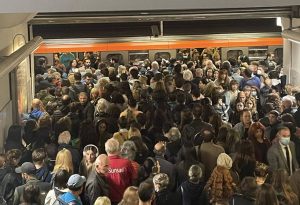
For anyone who needs to take two buses, or a bus and the metro, the decision depends on how long they will wait at the first stop, whether they will make their connection and how long the bus will be delayed in the same traffic as private cars. When journey times change every morning, even sitting in traffic can seem like the more predictable option.
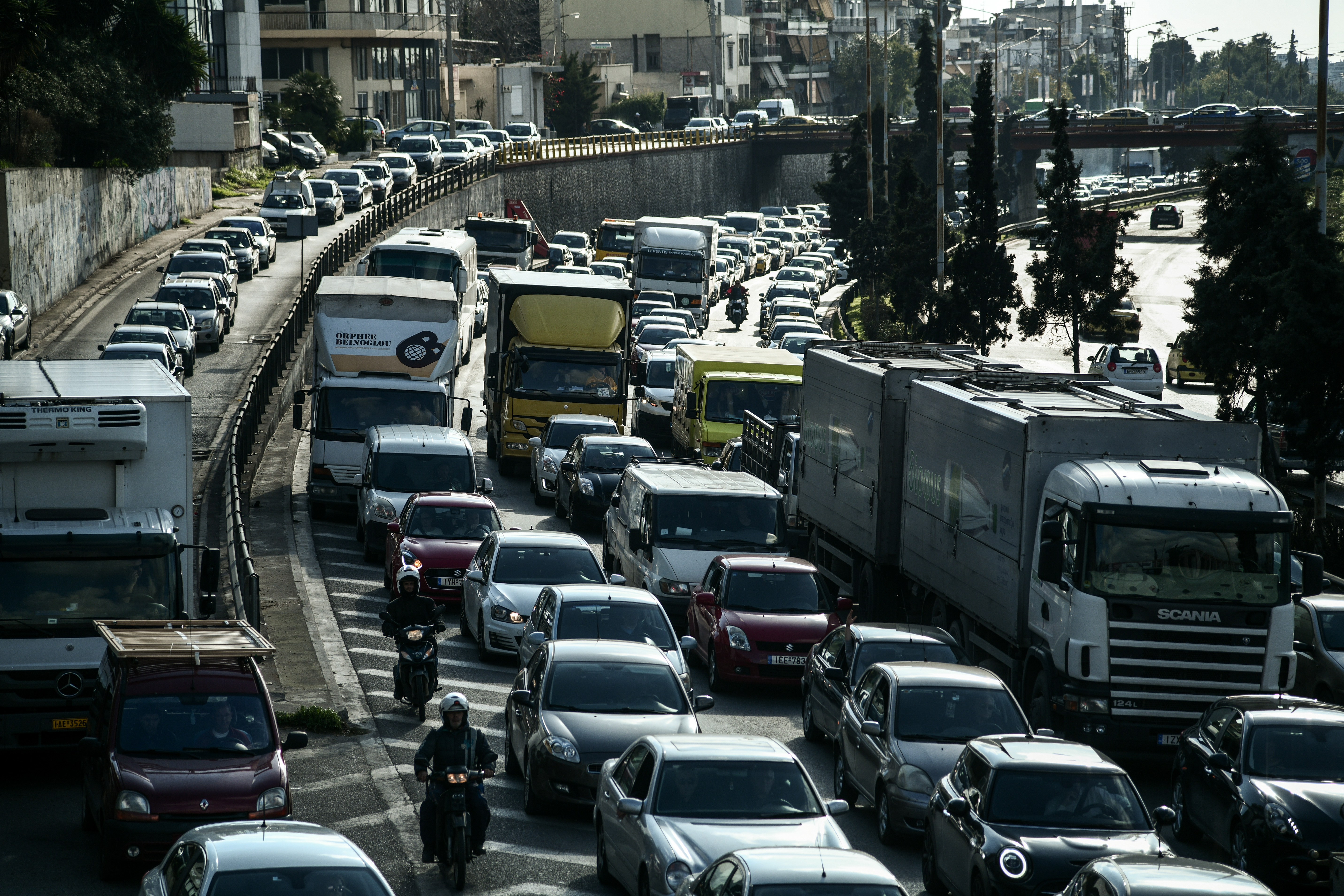
This is the contradiction at the heart of Athens’ traffic problem. Roads remain congested for increasingly long periods, yet the public transportation services that could absorb some of the demand have lost a significant share of their service output and passengers.
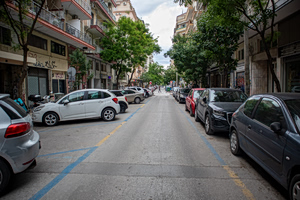
In 2025, according to figures presented at a conference marking the 50th anniversary of the Hellenic Institute of Transportation Engineers (SES), rush-hour congestion cost drivers an average of 143 hours each. That amounts to almost six full days over the course of a year. The congestion index has remained above 50% in recent years.
Fewer miles, even fewer passengers
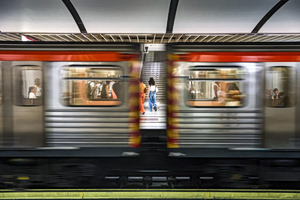
A comparison with 2006 shows how much ground public transportation has lost. According to data from the Athens Urban Transport Organization (OASA), presented by SES’s leadership, buses and trolleybuses now cover 36% fewer vehicle-kilometers and carry 54% fewer passengers.
In other words, for every 100 kilometers vehicles covered in 2006, they now cover 64. And for every 100 passenger boardings recorded then, there are now just 46.
The picture is different, but equally revealing, for rail-based public transportation. The network has expanded by 20%, while vehicle-kilometers have increased by just 3% and passenger numbers remain 22% lower. The expansion has brought public transportation to more areas, but the increase in the total volume of services has been far smaller than the growth in the network’s length.
The financial crisis hit public transportation operations, and the pandemic made matters worse. Passenger numbers have been recovering in recent years, transport authorities point out, but they remain below 2006 levels. And as long as buses remain slow or unpredictable, year-on-year increases in ridership say little about whether the system is winning over commuters who currently make the same journey by car.
Attica has 1.25 million more cars
Meanwhile, the geography of travel itself has changed. Speaking at the conference, SES Secretary El. Papatzikou said daily journeys have risen from approximately 3 million in 1976 to nearly 8 million today.
Urban sprawl has increased the distances between homes, workplaces and everyday activities. For a household that needs to combine a school drop-off with work in different parts of the city on the same morning, an infrequent bus service or a difficult transfer can be enough to make a private car a daily necessity.
Between 2005 and 2025, the number of passenger cars in Attica increased from 2.25 million to 3.5 million, a rise of approximately 55%. Including other vehicle categories, the total fleet reached 4.7 million, up from 3.05 million.
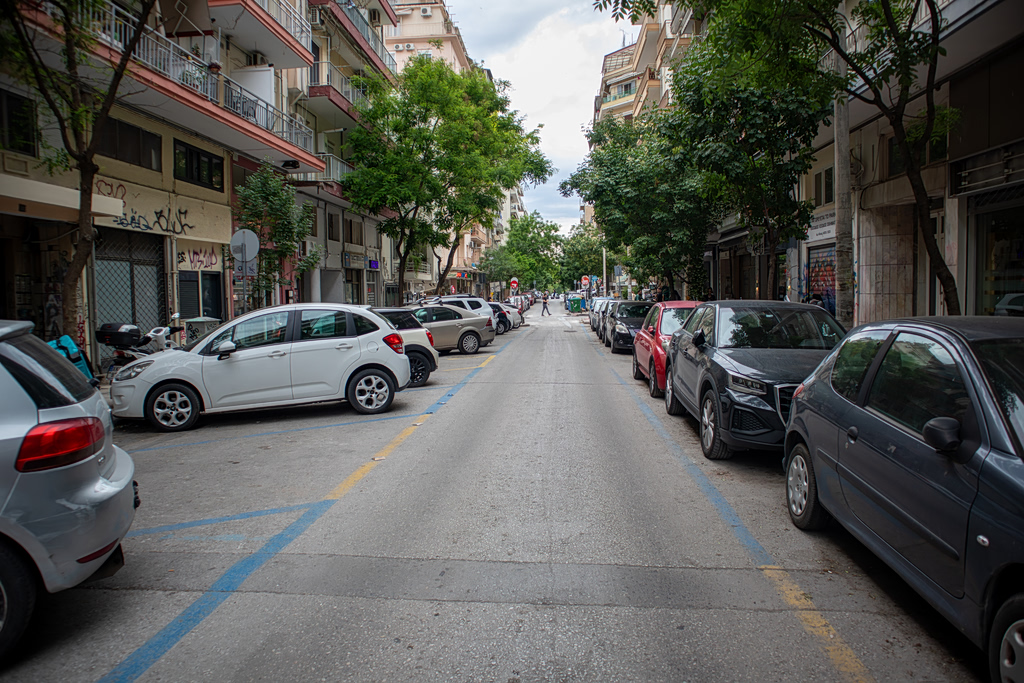
The pressure continues after the journey ends. According to census data from the Hellenic Statistical Authority (ELSTAT), presented at the conference, the number of household parking spaces in Attica increased by approximately 10% over a decade, but accounts for only about half of household vehicles. As a result, the search for a parking spot shifts part of the traffic pressure from major roads to neighborhood streets.
The long-term shift is also reflected in the share of journeys made by public transportation. In 1972, it stood at 62%, at a time when car ownership was far lower. By 1999, it had fallen to 31%. It recovered to 35% in 2006, while OASA’s most recent survey puts it at 28%.
The increase recorded in 2006 is particularly interesting because car ownership had also risen by then. The spread of private cars puts pressure on public transportation, but the number of passengers it can attract also depends on the quality of the service it provides.
Where will drivers go if car use is restricted?
National Technical University of Athens (NTUA) professor Yiannis Golias raised the question of capacity at the conference. In his assessment, if a policy to significantly restrict private car use were introduced today, public transportation would struggle to immediately absorb the journeys transferred to it.
He estimated that preparing the system would require at least three years and highlighted the difference in average speeds between buses and cars. For passengers, that difference is measured from their front door to their destination, including waiting times and transfers.
As a measure for the interim period, Golias proposed examining whether private cars could be allowed to use the emergency lane on major roads such as Kifissos Avenue when traffic speeds fall to 20–25 kilometers per hour.
This is the professor’s proposal, and its assessment would have to take into account the need to preserve access for emergency vehicles. He also proposed better coordination of the new traffic management initiative “Kombos”, so that interventions do not direct more vehicles toward areas that are already congested, as well as providing drivers with estimated travel times for specific routes.
A general warning that Kifissos Avenue is heavily congested describes the situation. Providing drivers with estimated journey times from one point to another would allow them to decide when to leave and which route to take.
€20 billion in projects, with a horizon extending to 2050
NTUA professor George Yannis presented an estimate of approximately €20 billion over a 15-year period for the infrastructure Athens needs, with some metro interventions requiring even more time.
His proposal is built around three main priorities:
- The first involves strengthening public transportation, with a target of 200 metro stations and 2,000 buses.
- The second calls for expanding the highway network from 157 to 300 kilometers, with deadlines extending to 2045–2050, depending on the project. It also includes interventions at road junctions, large parking facilities, road resurfacing and urban redevelopment projects.
- The third focuses on traffic management through smart traffic signals and camera systems.
The long time frame for these projects makes the question of what can be improved in the existing network all the more pressing. How many buses take to the roads every morning? How many services run on time? Which routes need more frequent departures, and where is the most time lost between different modes of transport? The answers will show whether Athens can attract more passengers before its next metro stations open.
Opening the conference, SES President Thanasis Tsianos reminded participants that it is the role of scientists to challenge announcements unsupported by evidence and highlight the cost of decisions that are postponed.
In Athens, part of that cost has already been measured in the 143 hours drivers lose every year. The question for public transportation is just as measurable: How much time could the same person save tomorrow morning if they left their car keys at home?