 Μake us preferred on Google
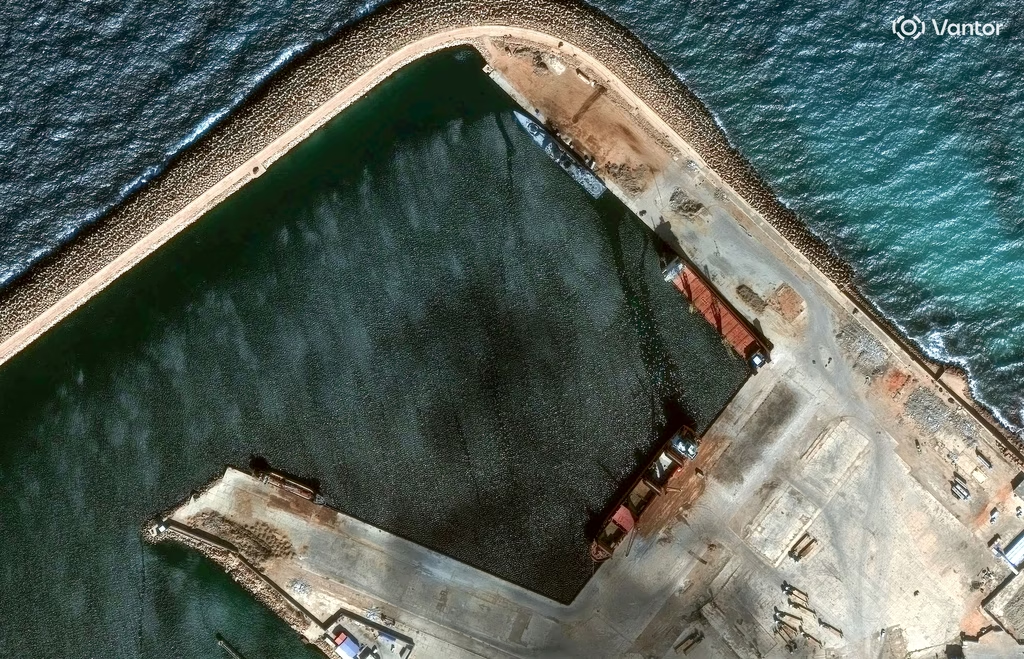
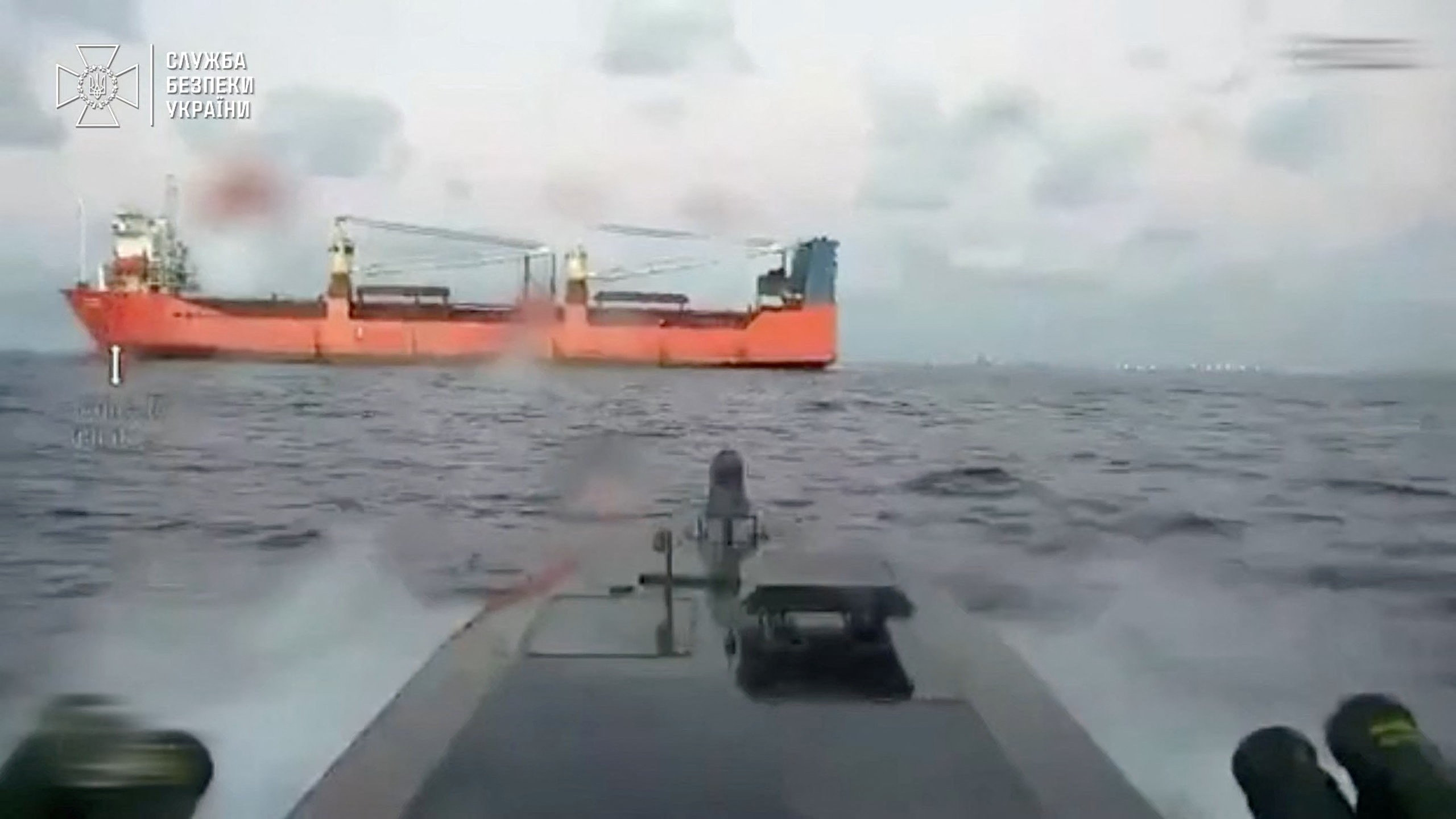
The war in Ukraine has reached Europe’s doorstep, just 480 kilometers south of Crete, after Kyiv confirmed on Monday that it had used naval drones to attack two Russian vessels in Benghazi on Sunday. The corvette Merkury, one of Russia’s newest warships, was sunk, while the dry cargo ship Angara, which was also hit, is believed to have been carrying weapons.
The operation, carried out 2,400 kilometers from the front lines of the war in Ukraine, was the latest daring long-range attack by Ukrainian forces. Just one day earlier, Ukraine had struck a Russian military cargo ship in the Gulf of Finland in a drone attack.
The questions raised by this potential turning point in the Russia-Ukraine war are numerous:
- When Ukraine attacks convoys in the central Mediterranean, does its government have the backing of one or more European countries, or is Kyiv operating just a few hundred kilometers from their shores without informing anyone?
- Why does Russia continue to send, and increasingly step up shipments of, weapons, military equipment and warships to Libyan ports? Are these convoys part of Russia’s hybrid war against Europe?
- What is at stake in this contest: Libya, Ukraine or the future of NATO?
- Are the developments also influenced by the de facto support that both Vladimir Putin and Donald Trump’s envoys are providing to Khalifa Haftar’s side, which controls eastern Libya and, consequently, the country’s natural gas and oil reserves?
Naval drones
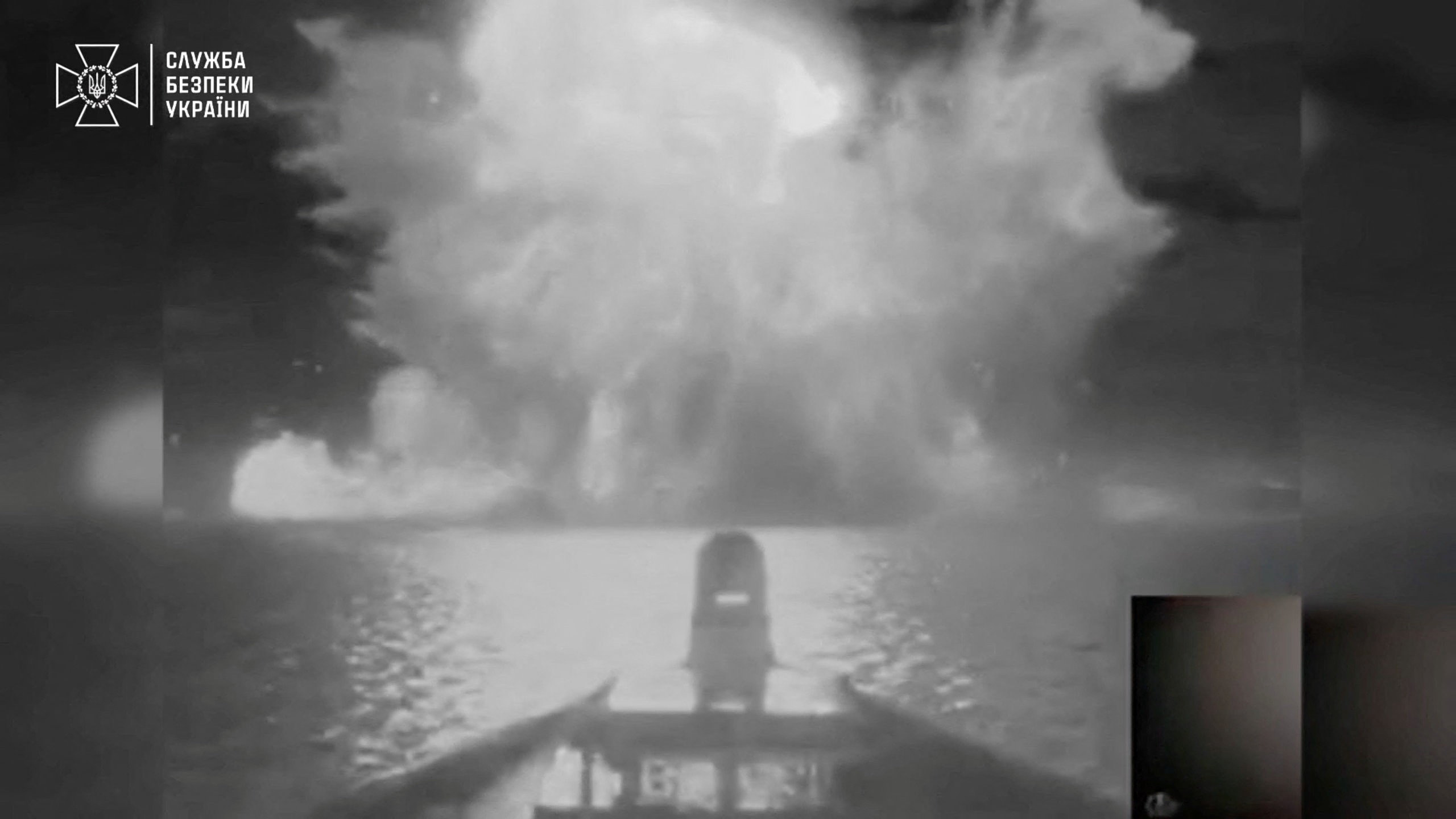
Ukraine’s Security Service, known as the SBU, said seven domestically produced naval drones were launched from a vessel during the operation, which Ukrainian President Volodymyr Zelensky described as “exemplary.”
A maritime drone approaching a vessel off Benghazi, Libya, November 22, 2026, in this screen grab obtained from a video. Volodymyr Zelenskiy via Telegram/Handout via REUTERS.
“We continue our operations in designated waters. We are responding to Russian aggression. We are developing Ukrainian weapons,” he added, releasing footage of the attack and revealing that a Russian Ka-27 military helicopter had also been destroyed.
According to reports, the vessel believed to have launched the drones appeared to be a fishing boat. Other accounts, however, suggest the launch took place from a location in western Libya, where Ukrainian drone specialists are reportedly operating, according to CBS and the Associated Press. Both Kyiv and Tripoli have declined to confirm their presence.
Reports citing Libyan officials estimate that around 200 Ukrainian officers and specialists are stationed at military facilities near Tripoli under a secret agreement approved by Western countries. Further attacks are expected to follow. In a statement, Ukraine’s Security Service said:
“Ukraine’s Defense Forces have once again demonstrated that the Russian military fleet and its logistics networks have no safe routes, even far beyond the Black Sea.”
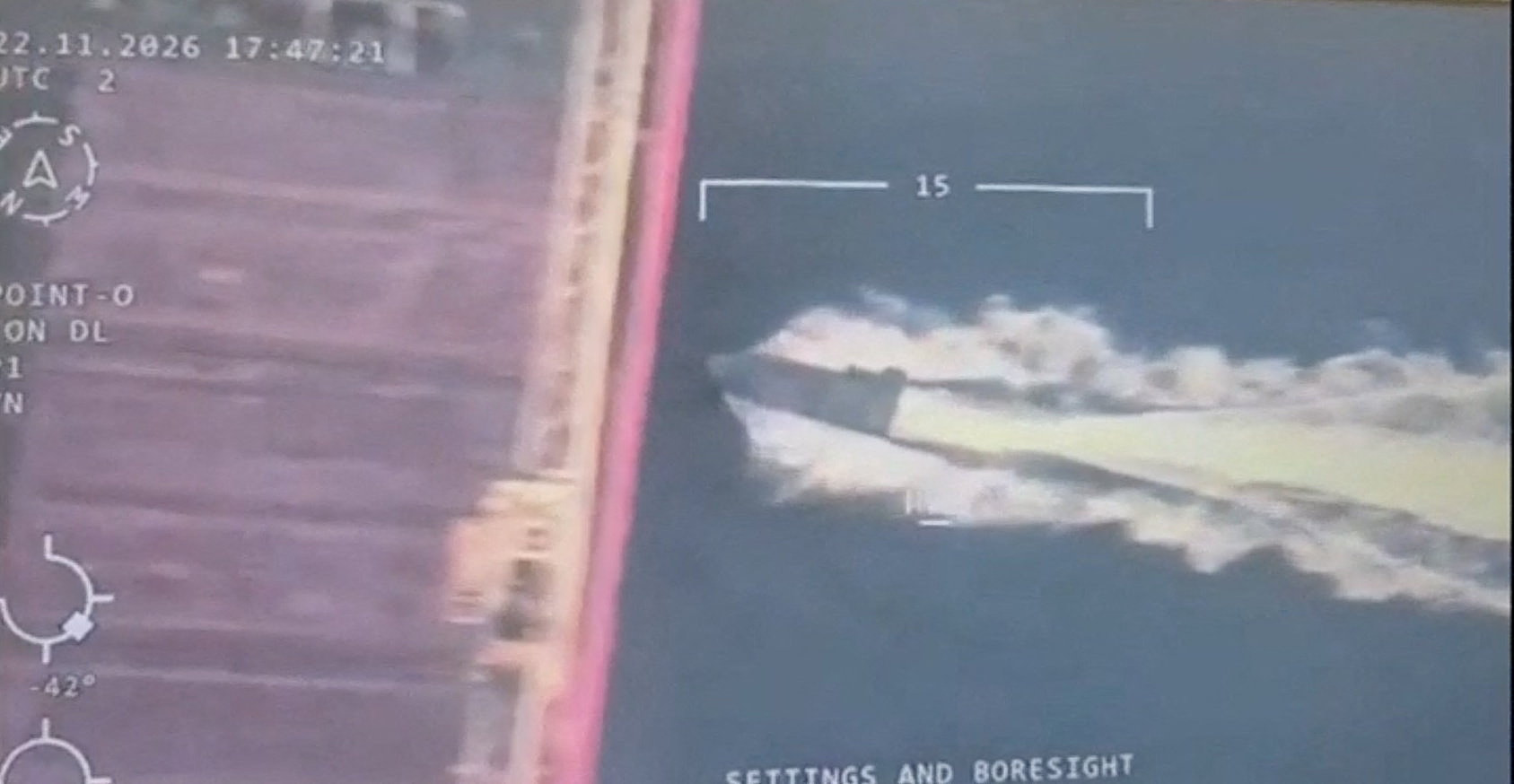
A screen recording shows the moment of the attack on a Russian cargo ship, off the coast of Benghazi, Libya November 22, 2026, in this screengrab taken from a video. MEDIA OFFICE OF THE EASTERN LIBYAN FORCES [LIBYAN NATIONAL ARMY]/Handout via REUTERS.
“White men in Africa”
The journey of four Russian ships from Russia, through the Baltic Sea and the Atlantic, to the Mediterranean began in the final week of October, departing from St. Petersburg. As Corriere della Sera reports, all this was taking place as Russian Telegram channels continued publishing recruitment notices for specialists in ultra-long-range drones, offering them positions among the “white men in Africa” on wartime salaries of 400,000 rubles a month, or nearly €4,500. It was another indication that the war was spreading far beyond the Russia-Ukraine front line.
The weekend strikes were not the first signs that the conflict had crossed borders. After the Black Sea, which borders Romania and Bulgaria, the focus has now shifted to the Mediterranean, whose shores include Italy and Greece. In mid-September, two Russian commercial vessels secretly delivered around 3,000 tons of military equipment to Tobruk, which, like Benghazi, lies in the part of Libya controlled by Haftar.
Earlier, in May, the Greek government had lodged a protest with Kyiv after a Ukrainian naval drone was discovered in a sea cave on the island of Lefkada. Before that, in early March, the Russian liquefied natural gas tanker Arctic Metagaz was hit by a drone and sank between Libya and Malta.
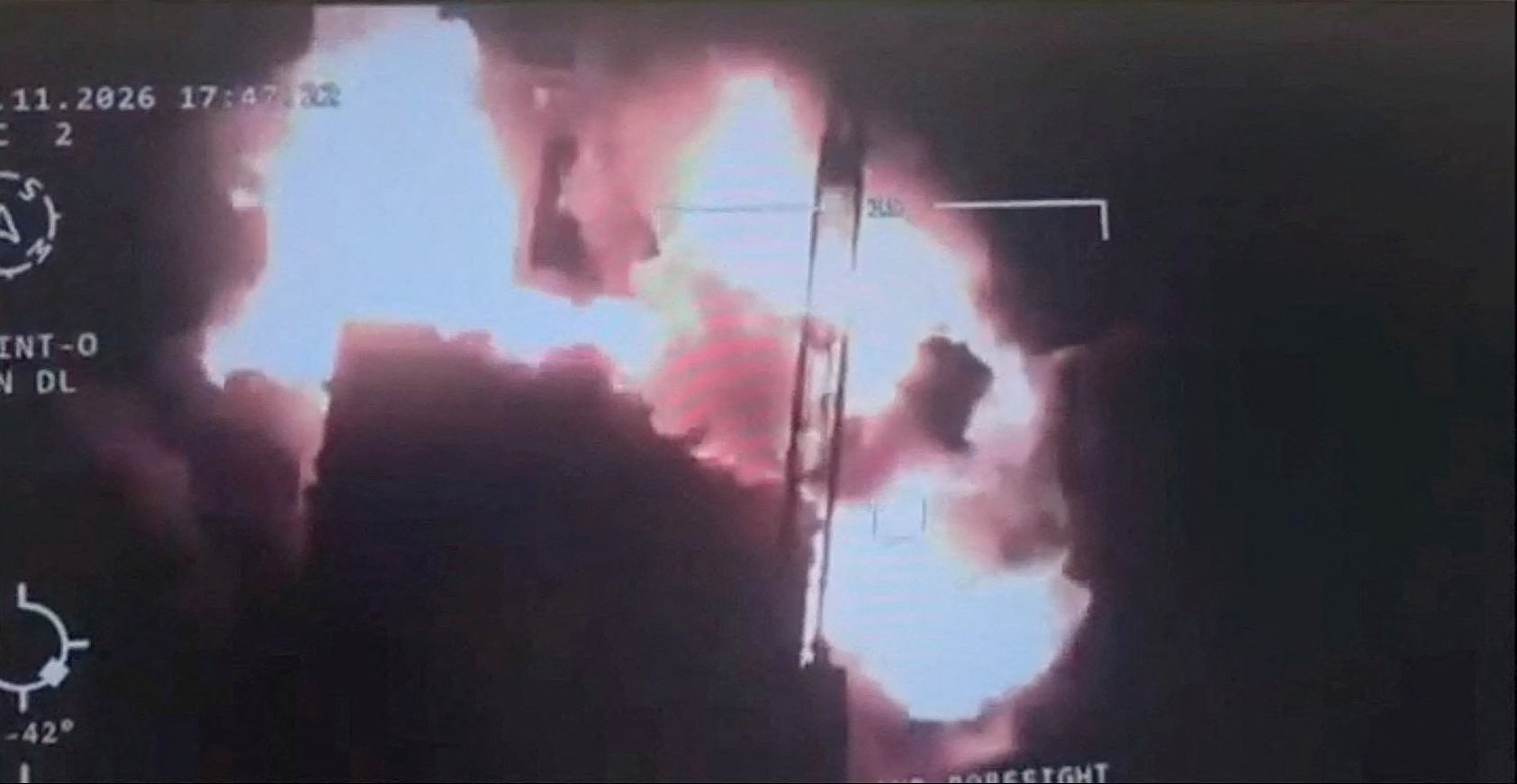
A screen recording shows the moment of the attack on a Russian cargo ship, off the coast of Benghazi, Libya November 22, 2026, in this screengrab taken from a video. MEDIA OFFICE OF THE EASTERN LIBYAN FORCES [LIBYAN NATIONAL ARMY]/Handout via REUTERS.
“There will be consequences”
The developments are unlikely to end here. Russia’s ambassador to Libya, Aydar Aganin, accused Ukraine and warned that the events “will not go unanswered.” From Benghazi, Haftar’s “government” demanded an explanation from Kyiv.
Has the Mediterranean now become another theater of the Russia-Ukraine conflict?
Yes, and this did not happen in the past few days. It is the result of Russia’s persistent conduct — whether driven by opportunism or strategic calculation — as Moscow seeks to destabilize the southern shores of the Mediterranean, control migration routes and fuel ongoing conflicts in sub-Saharan Africa.