 Μake us preferred on Google
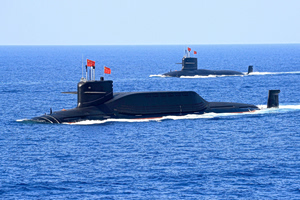
About 140 Royal Navy sailors have returned to dry land after spending 217 days underwater aboard HMS Vengeance, the longest patrol in British naval history.
The nuclear-armed submarine surfaced at the Faslane naval base in Scotland last Sunday. Its patrol beat the 205-day record set by HMS Vanguard in April.
For more than seven months, the crew lived inside a metal hull, never seeing the sun or the moon and with almost no contact with the outside world. Experts say the back-to-back records say less about the Royal Navy’s strength than about problems within its nuclear submarine fleet.
Built For Three Months, Now Out For Seven
Nuclear submarine specialist David Cullen told The Guardian that Vanguard-class submarines were originally designed for patrols of about three months. Even that, he said, was considered a long time to stay “underwater in a metal box with no contact to the outside world.”
The submarines initially carried out missions lasting three to four months, and in the past even 100-day deployments were rare. Today, some patrols reportedly last more than twice as long.
According to experts, the steadily longer deployments are linked to delays in maintaining the aging submarines, and they put heavy psychological pressure on the crews. The UK government blames budget cuts that it says have slowed maintenance work.
Longer missions also mean that already cramped submarines must carry more food and supplies. Crews spend months living alongside extra provisions stored in passageways and any other free space.
The Backbone Of Britain’s Nuclear Deterrent
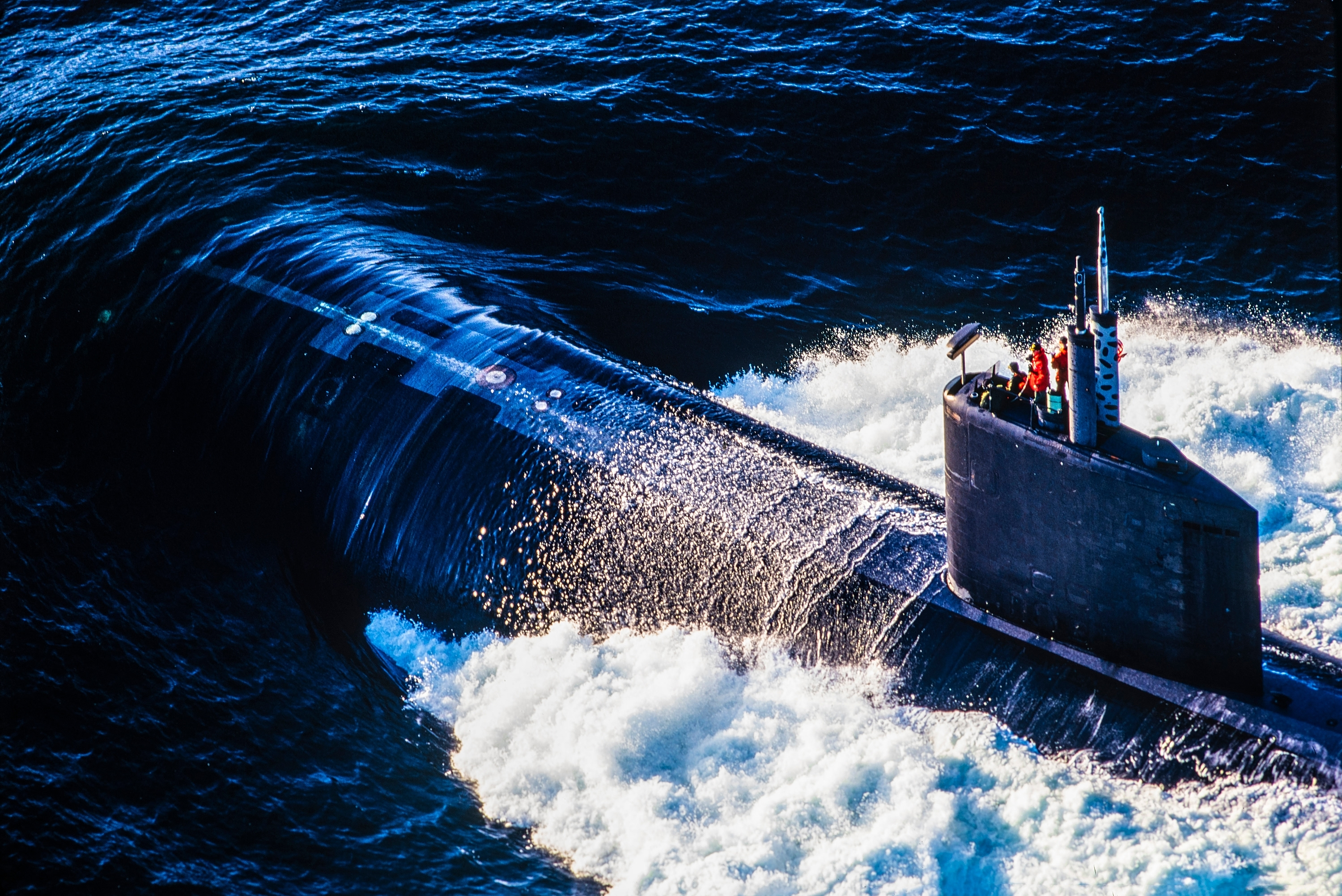
Launched in 1998, HMS Vengeance is one of Britain’s four Vanguard-class submarines. It is about 150 meters (492 feet) long and was designed to carry Trident ballistic missiles, with 16 launch tubes on board.
Each Trident missile can carry several nuclear warheads that can be aimed at separate targets. This technology is known as “multiple independently targetable reentry vehicles” (MIRV).
The Vanguard class is at the heart of Britain’s nuclear deterrence strategy. Under the Royal Navy’s policy of Continuous At Sea Deterrence, at least one nuclear-armed submarine is always on patrol. The goal is to ensure that even if a major attack badly damaged Britain’s other military infrastructure, the country could still strike back with nuclear weapons from the sea.
But when submarines spend long periods in maintenance, the burden on those that can still deploy grows.
What Seven Months Underwater Does To The Body
Joseph Dituri, an associate professor at the University of South Florida known as “Dr. Deep Sea,” spent 100 days underwater in 2023 to study how the body responds to extreme pressure. He told Metro what the crew may have experienced.
Radiation: sailors live close to both a nuclear reactor and nuclear weapons, but Dituri says they have little to worry about. “The nuclear reactor is shielded, and they aren’t getting ionizing radiation from the sun, so it is common for them to have less exposure,” he said. UK guidance caps exposure for nuclear industry workers at 20 millisieverts a year, and a nearly 30-year study of US Navy submarine crews found doses well below that.
No sunlight: crews go months without natural light and the vitamin D it provides. “Their levels are likely very low if they haven’t been supplementing,” said Dituri, a retired US Navy saturation diving officer. “While I was underwater, I had a serious vitamin D deficiency due to lack of sunlight.” Without sunlight to set the body’s internal clock, submariners also sleep worse, which one study linked to a decline in cognitive performance.
Stale air: HMS Vengeance makes oxygen using electricity from its nuclear reactor, while scrubbers remove exhaled carbon dioxide. Even so, gases from breathing, cooking, cleaning and maintenance build up. CO2 makes up just 0.04% of normal air but can reach 1% on a submarine. Dituri said long exposure can turn sailors into “CO2 retainers,” with the body adapting in ways that are “not life-threatening but not the best.”
Eyesight: with nothing to look at more than about 20 feet away, crews may become temporarily nearsighted. “This is common when they get off a nuclear submarine and it’s something that we do not let our submariners drive after long-duration exposures,” Dituri said. “I experienced a similar phenomenon when I came out of the water after 100 days.”
Body and hearing: cramped quarters mean little exercise, which can weaken muscles and bones. Months of noise from machinery, sonar and weapons systems can also damage hearing.
The smell: “All the clothes tend to smell of a little bit of diesel fuel and a sort of a funk,” Dituri said.
Cut Off From Family
Serving on a nuclear submarine is considered one of the most psychologically demanding jobs in the Royal Navy. Ballistic missile submarines spend most of their patrols submerged and under radio silence so that their position cannot be detected.
Sailors can receive one message a week from their families, known as “Familygrams,” of no more than 120 words. The messages are screened by navy officials first, who can hold back bad news or sensitive information that might affect performance. Sailors are not allowed to reply.
As a result, crew members can go months without knowing about major events at home, or be unable to respond to the news they do receive.
Harassment Concerns
Working conditions in the submarine service have also drawn scrutiny over allegations of harassment and discrimination against women. In 2022, Sophie Brook, one of the Royal Navy’s first female submariners, said she had faced constant sexual bullying. Other women then came forward with similar accounts. In 2024, then-First Sea Lord Admiral Sir Ben Key apologized, calling misogyny in the submarine service intolerable.
An Aging Fleet
The record patrol has also deepened concerns about the future of Britain’s nuclear submarine fleet. The Vanguard-class boats were designed to serve for about 25 years. But delays in bringing in the next generation of submarines mean they are now expected to stay in service for around 40 years.
The first of the new Dreadnought-class submarines, HMS Dreadnought, is expected to enter service around 2032.