
 Μake us preferred on Google
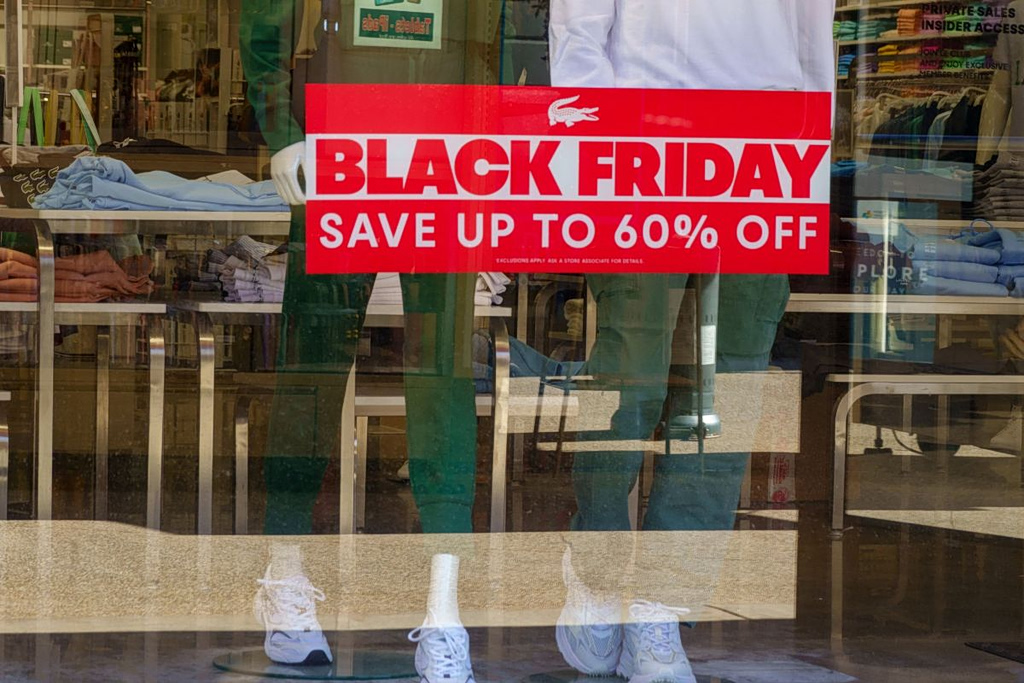
Black Friday is almost here, and shoppers are looking closely at the discounts in store windows. Others are waiting for Cyber Monday, which falls on November 30 this year, hoping to find even better deals online.
Online shopping is now part of everyday life, but tempting offers and steep discounts can hide fraud. Fake e-shops pop up online and advertise on social media. They promise brand-name products at very low prices, and their real aim is to take money and personal data from shoppers who suspect nothing.
Greece’s Independent Market Control Authority says shoppers should check carefully before every online purchase. It also stresses that a website written in Greek is no proof that the business is based in Greece.
Check who is behind the store
There are eight key signs that can expose a suspicious e-shop. A legitimate Greek online store must show its company details: its registered name, tax ID (AFM), General Commercial Registry (GEMI) number, street address and phone number. These usually appear at the bottom of the page or in the terms of use. If the only way to get in touch is a contact form or a free email account, be especially careful. If an offer appears on social media and you can’t tell who is selling the product or how to reach them, the safest choice is not to buy.
You can check a business for free through the GEMI Publicity service. Search by company name, tax ID or GEMI number to see whether the business is active, what it does and who runs it. Its website or online store is often listed as well. If the tax ID on an e-shop doesn’t match any business, or belongs to a different company, that is a serious red flag, and you should not buy.
Look at the website’s age and address
Many fake e-shops don’t last long. Scammers set up a site, collect money from shoppers and then disappear, sometimes coming back under a new web address. A WHOIS search shows when a domain was registered. If a store claims “20 years of experience” but its domain is only a month old, something is wrong. Be wary, too, of unusual domain endings, and of addresses that copy a well-known retailer’s but differ by a single letter or character.
Be suspicious of prices that seem too good to be true
Very low prices are one of the most common lures. A brand-name product at 80% or 90% off should raise suspicion, especially when no other store has the same deal. Before you buy, look up the exact product and model at major retailers and on price-comparison sites. If the price gap is huge and has no clear explanation, it’s better to walk away.
Look for reviews outside the store
Positive reviews on the store’s own site prove little, because they are easy to fake. Search the store’s name together with words like “scam,” “reviews” or “customer experiences.” Also check independent review platforms and online forums, where other shoppers may have reported problems with orders, payments or returns. If a store appears out of nowhere with very attractive offers and nobody has written anything about it, that silence can be a warning sign too.
Pay safely
Pay by card or through a well-known, trusted payment service. If an unfamiliar store accepts only bank transfers, check the company’s details very thoroughly before paying. Never share your web banking passwords or one-time passcodes (OTPs) with anyone. No store needs them to complete an ordinary purchase. Before you approve a payment in your bank’s app, make sure the amount and the recipient are the ones you expect.
Know the shipping and return terms
Before you place an order, find out which country the product ships from, how much delivery costs and who pays for returns. A great deal can turn out to cost you money if you have to send the product back abroad at your own expense. As a rule, when you buy from a business at a distance, you have 14 days from delivery to withdraw from the purchase, with some exceptions set out in the law.
Watch out for fake messages
Another common trick is an SMS or email with a so-called special offer that links to an online store. Scammers can easily copy the logos, images and design of well-known businesses and build sites that look almost exactly like the real ones. If you get a message like this, don’t click the link. Type the store’s address into your browser yourself, or use its official app.
What to do if you paid a fake e-shop
1. Call your bank right away, cancel your card and ask for written instructions on disputing the charge.
2. Keep evidence: screenshots of the website, the order confirmation email and your account statement.
3. Report it to the Cyber Crime Division by calling 11188, by emailing ccu@cybercrimeunit.gov.gr, or through gov.gr under Citizen and Everyday Life → Complaints.
4. If a real business used misleading practices, file a complaint with the Ministry of Development’s complaints platform or call 1520.