 Μake us preferred on Google
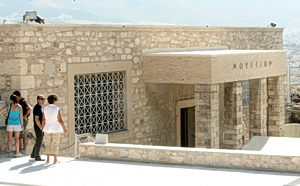
Built in the shadow of the Parthenon, the Old Acropolis Museum was the first building the modern Greek state erected specifically to serve as a museum. It once housed major archaeological treasures, with the Caryatids in the starring role. For two decades it stood silent after its collections moved to the new Acropolis Museum. Now this modest building has returned to the city’s cultural life with nearly 800 antiquities unearthed beneath Athens, most of them never displayed before. It also features a digital experience that brings the figures of Phidias’s Parthenon frieze to life, open storerooms of monument fragments and inscriptions, and a striking contemporary installation steeped in memories of the refugee experience.
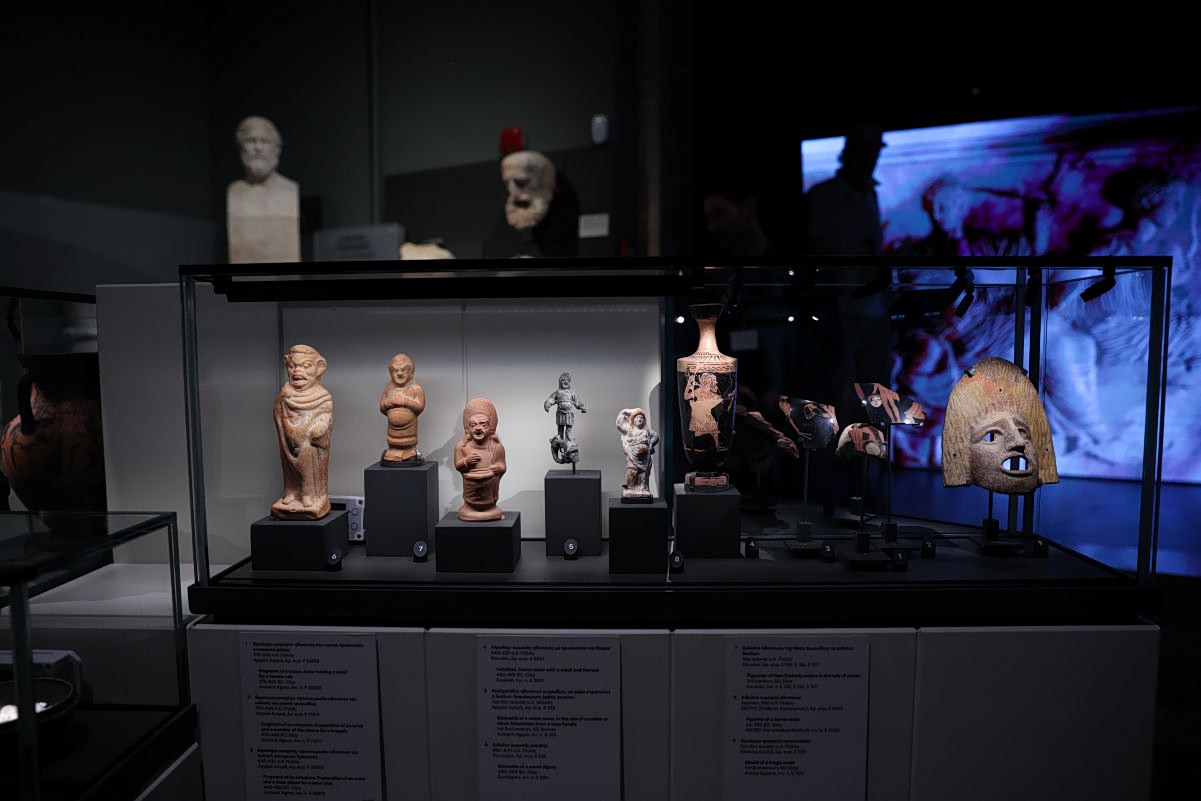
Photo: SOOC
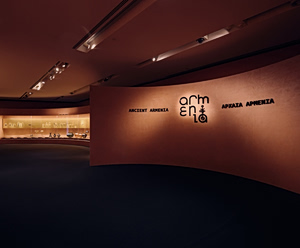
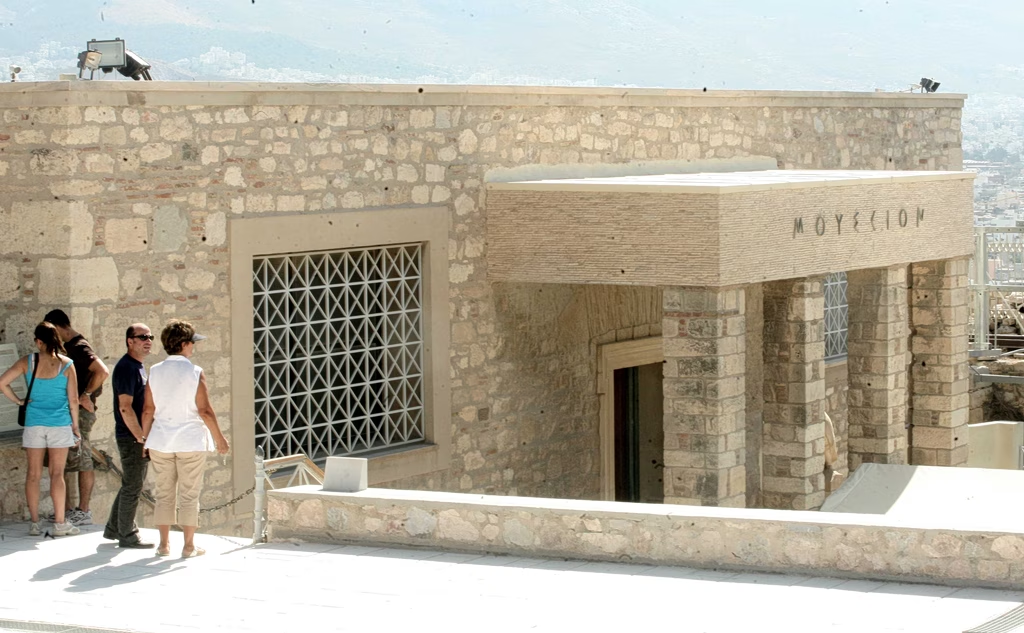
A few steps lead down to the building, designed by Panagis Kalkos (1865–1874) and remodeled in the mid-20th century by Patroklos Karantinos. Inside is a “Mouseion,” as the inscription over its entrance reads, attuned to the 21st century. To the right is the museum’s first temporary archaeological exhibition, “Athens: City, Idea – The Timeless History of Athens,” coordinated by Eleni Kountouri, head of the Ephorate of Antiquities of the City of Athens. It will run for two years. The objects come almost entirely from rescue excavations within the city limits, and the show can be seen as a preview of a planned museum on the same theme at Plato’s Academy.
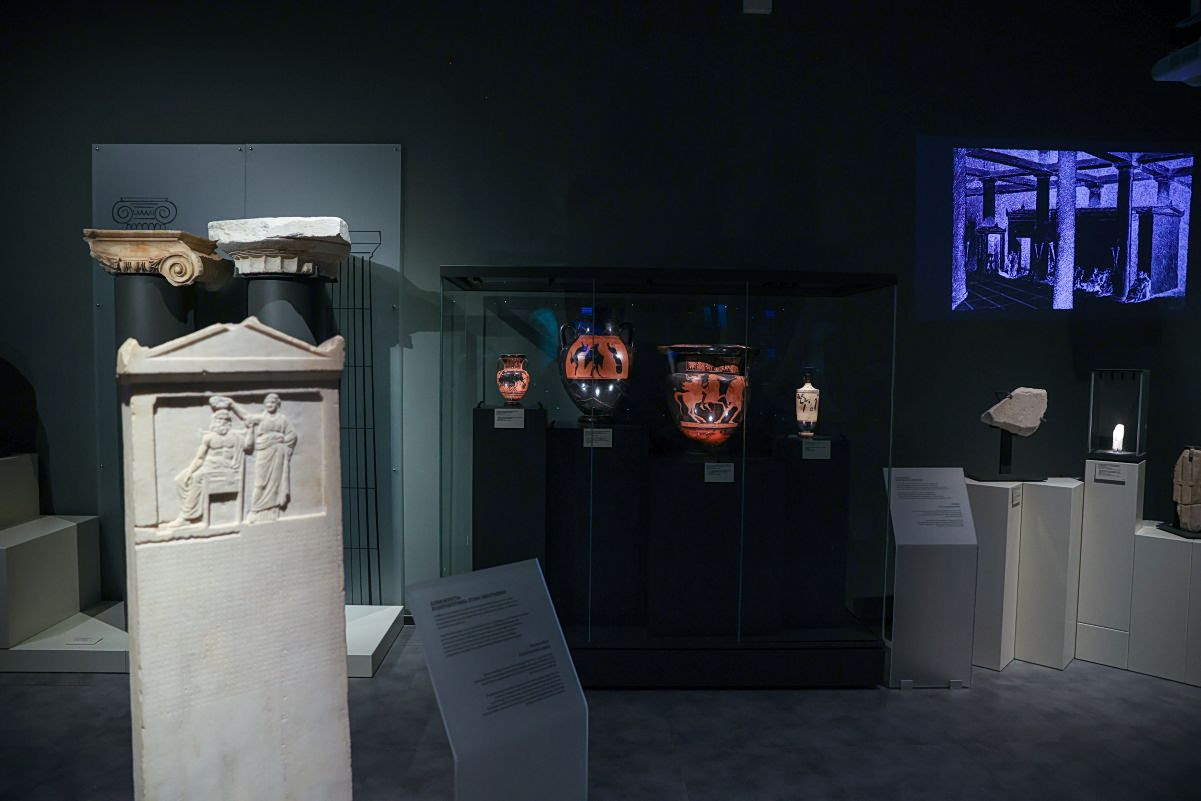
Photo: SOOC
A single visit cannot do justice to the rare finds, but a first brief tour revealed several highlights:
• Clay models of bridal shoes from the 9th century BC. They were placed in the grave of a teenage girl, near today’s Psyrri Square, because she died before she could wear them at her wedding.
• An elegant 5th-century BC perfume vessel made of three closed clay cockleshells.
• A marble relief of cavalrymen killed in the Peloponnesian War. Discovered during metro works at Larissis Station, it is unique in both form and historical significance.
• Gold coins from the reign of the tyrant Lachares (296/5 BC). They were struck from gold he stripped from Phidias’s cult statue of Athena Parthenos, which once stood in the Parthenon.
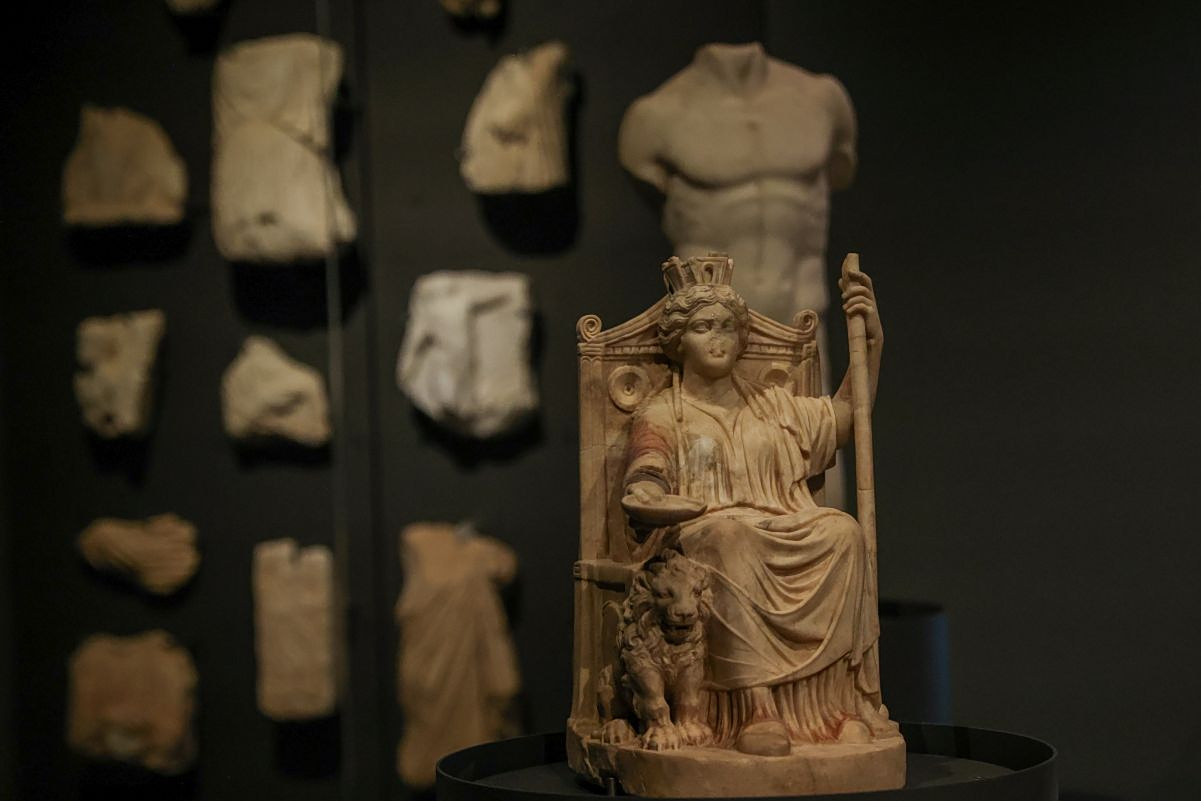
Photo: SOOC
To the left of the entrance stands a kiln. This large-scale sculpture evokes stepped pottery kilns and is built from 11,000 bricks. Each brick bears the name of a town, in Greek and Ottoman script, from which refugees came during the population exchange between Greece and Turkey. The kiln is the centerpiece of “What Remains Behind Us Is Not Only Inscriptions,” a new exhibition by Michael Rakowitz, an Iraqi-American artist of Jewish heritage. Its title draws on Pericles’ Funeral Oration. Spread across three rooms, the show completes Rakowitz’s exhibition trilogy, which began at the Acropolis Museum in 2025. It is also the final project of the NEON organization and is curated by Elina Kountouri.
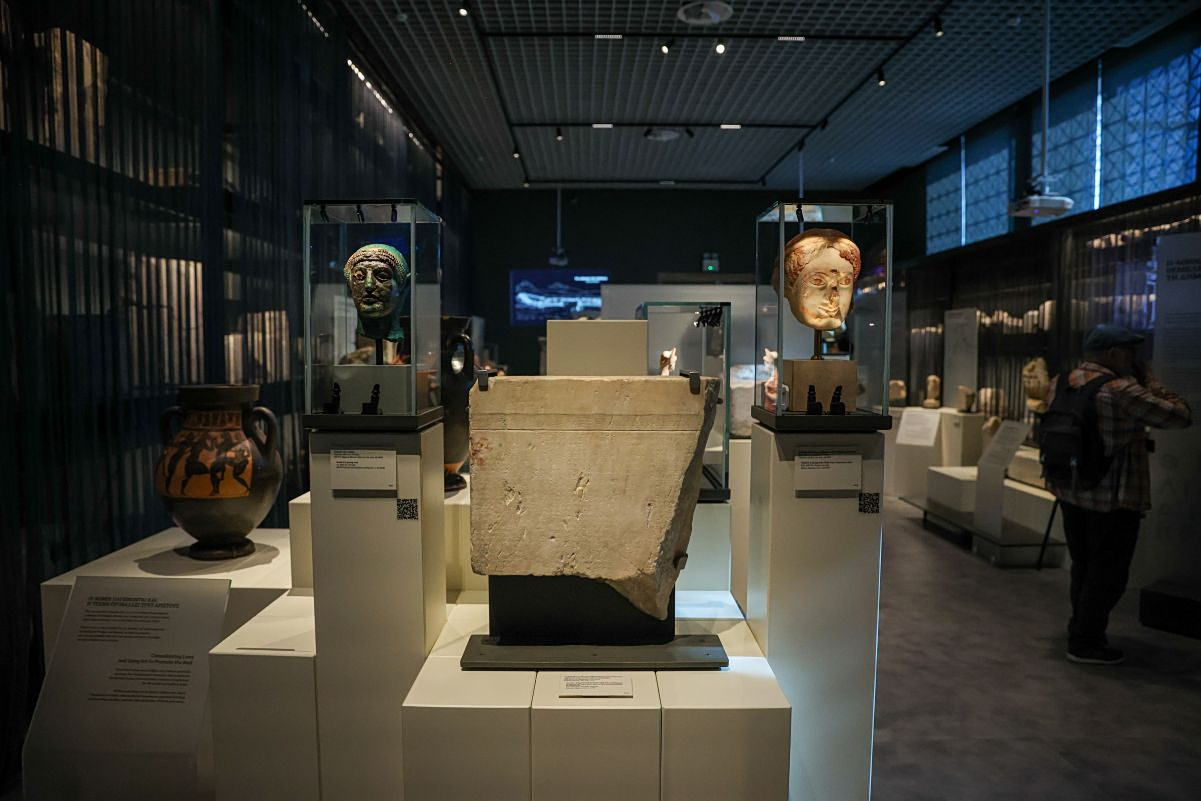
Photo: SOOC
Whichever way visitors turn, the far end of each room serves as a permanent open storeroom. Marble architectural members and inscriptions stand there in the open or behind black metal screens.
At the inauguration, Culture Minister Lina Mendoni said the museum offers a model that combines the protection and management of antiquities with scientific research, conservation, temporary exhibitions, and contemporary art. She added that the project cost more than €10 million.
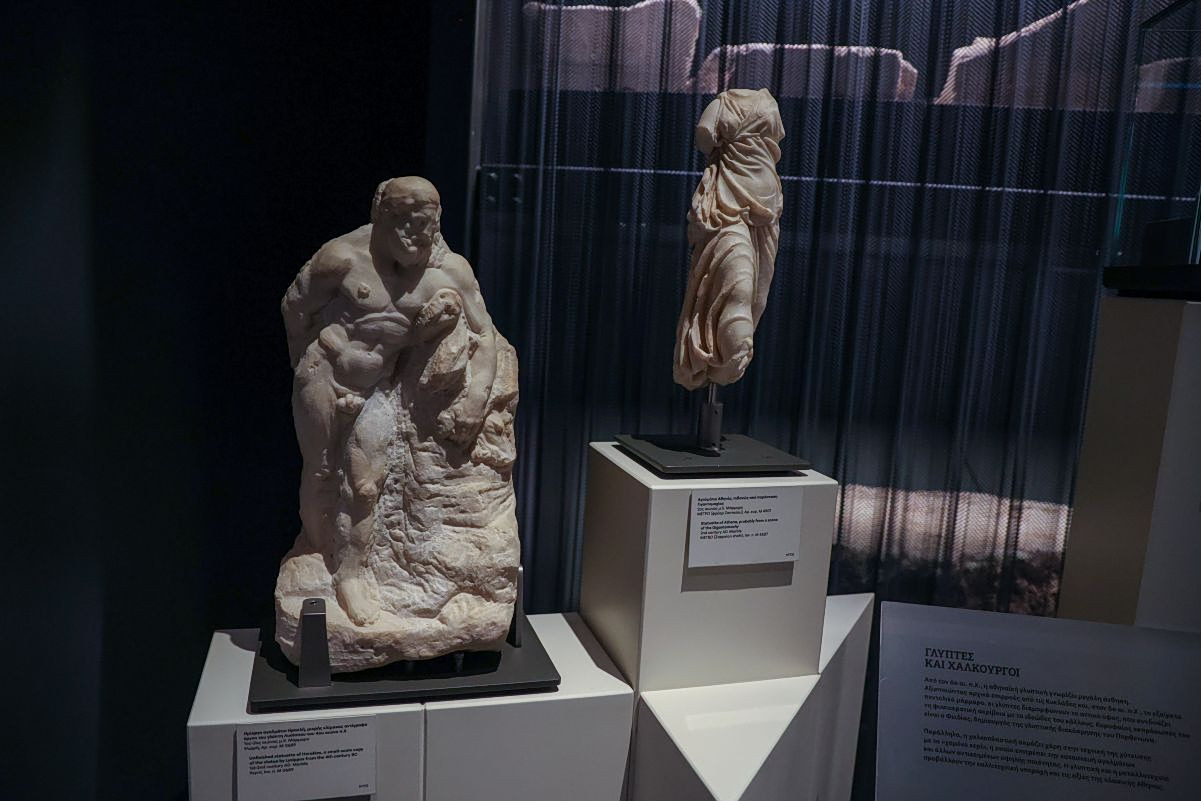
Photo: SOOC
A frieze in motion
Two more features should not be missed. The first is Parthenon Alive, a series of digital works by the Technical University of Crete led by Panos Parthenios. Among other things, it uses artificial intelligence to set the figures of the Parthenon frieze in motion, so they walk alongside visitors. It also lets visitors explore holograms of the Acropolis monuments. The second is a new outdoor area on the museum’s east side. It opened to the public after 15,766 architectural members and shapeless fragments that do not belong to Acropolis monuments were moved to the south slope. Visitors can now see the Cyclopean and Classical walls of the Acropolis, their Ottoman-era repairs, and the surviving traces of the Sanctuary of Pandion.
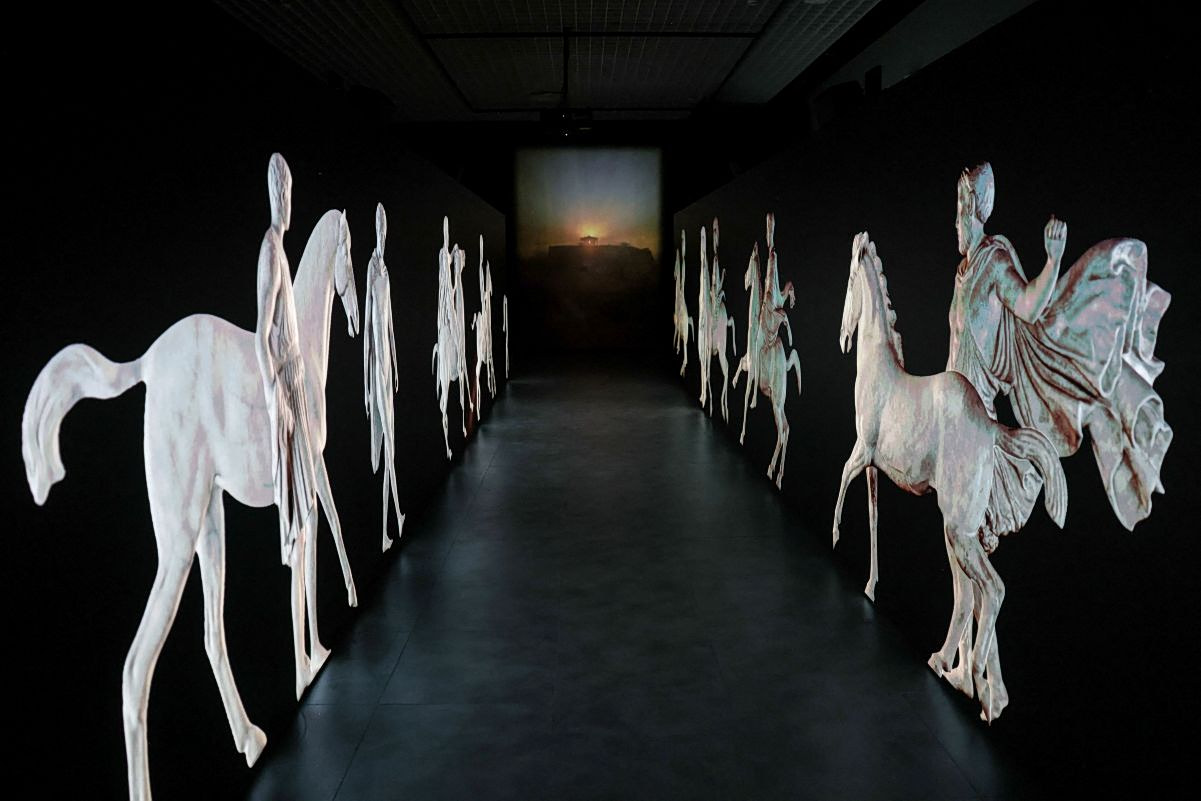
Phot: Reuters
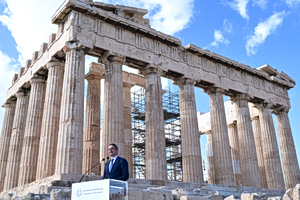
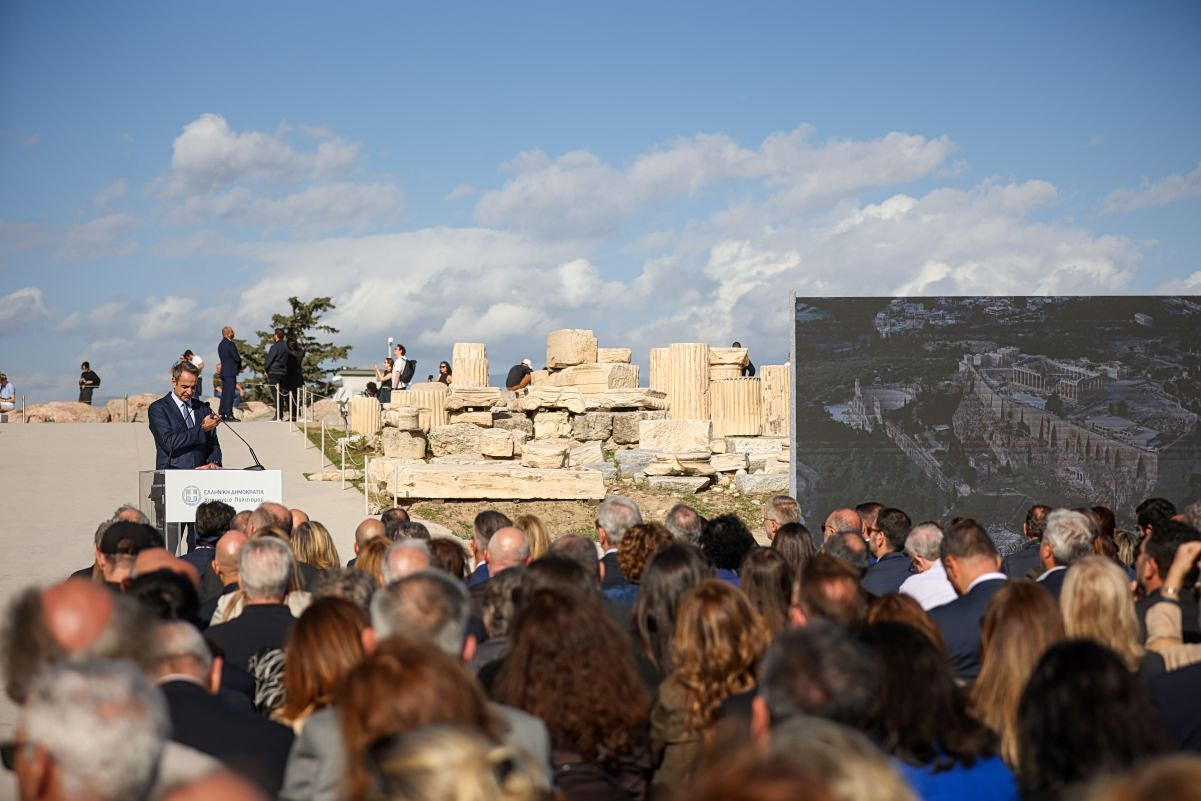
Prime Minister Kyriakos Mitsotakis used the inauguration to restate Greece’s long-standing demand for the return of the Parthenon Sculptures. “The return and reunification of the Parthenon Sculptures remains our great and non-negotiable national goal,” he said. “This temple was not built to be cut into pieces, its parts displayed in different rooms, different cities, different countries. These priceless masterpieces belong here, under the Attic light, in direct contact with the temple to which they belong.” He also said that no solution or agreement could recognize foreign ownership of Greece’s national treasures. He pledged to keep pursuing the effort “with responsibility, seriousness and determination, with well-founded arguments, far from barren populism,” and added: “In the end, we will succeed.”
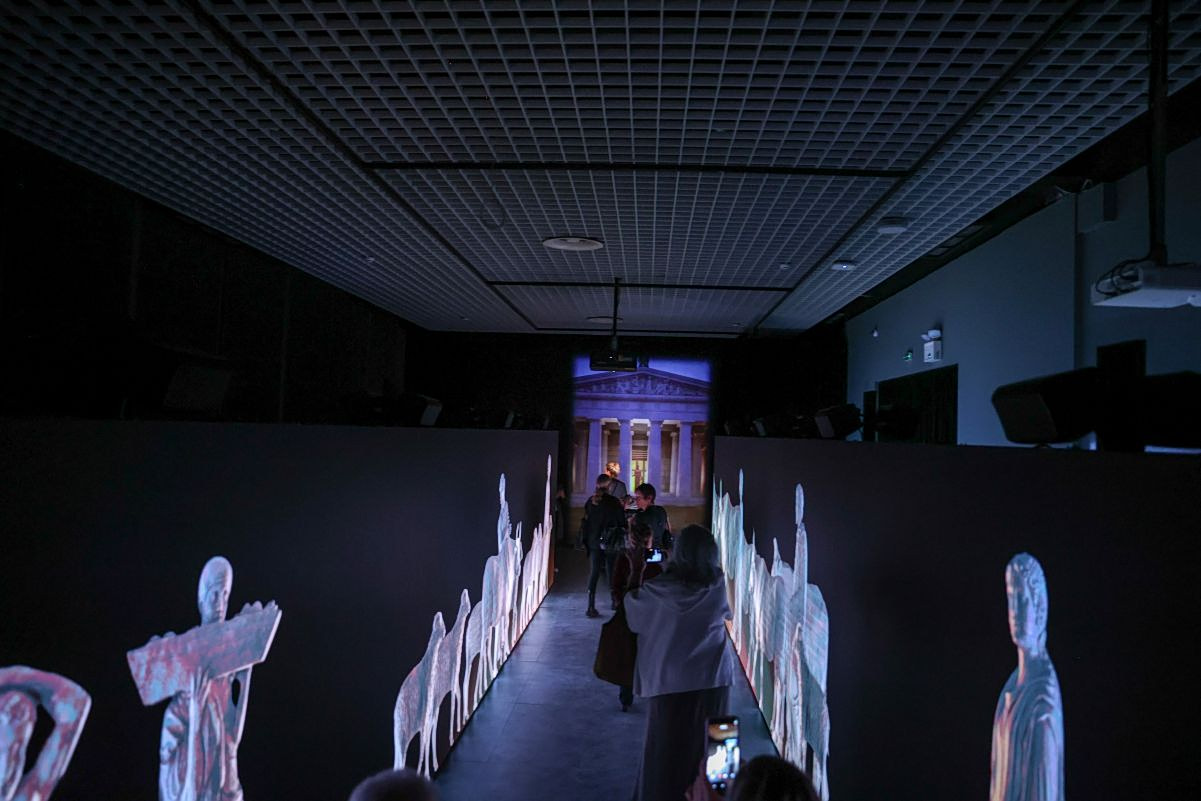
Photo: SOOC