 Μake us preferred on Google
Je dénonce la façon dont la Turquie a agi avec la Libye : elle viole le droit de la mer et porte atteinte à l’intégrité territoriale des autres, c’est inacceptable.
Nous devons aussi améliorer nos relations avec la Libye pour limiter l’immigration. https://t.co/X2cfE9Yc2L
— Marine Le Pen (@MLP_officiel) November 22, 2026
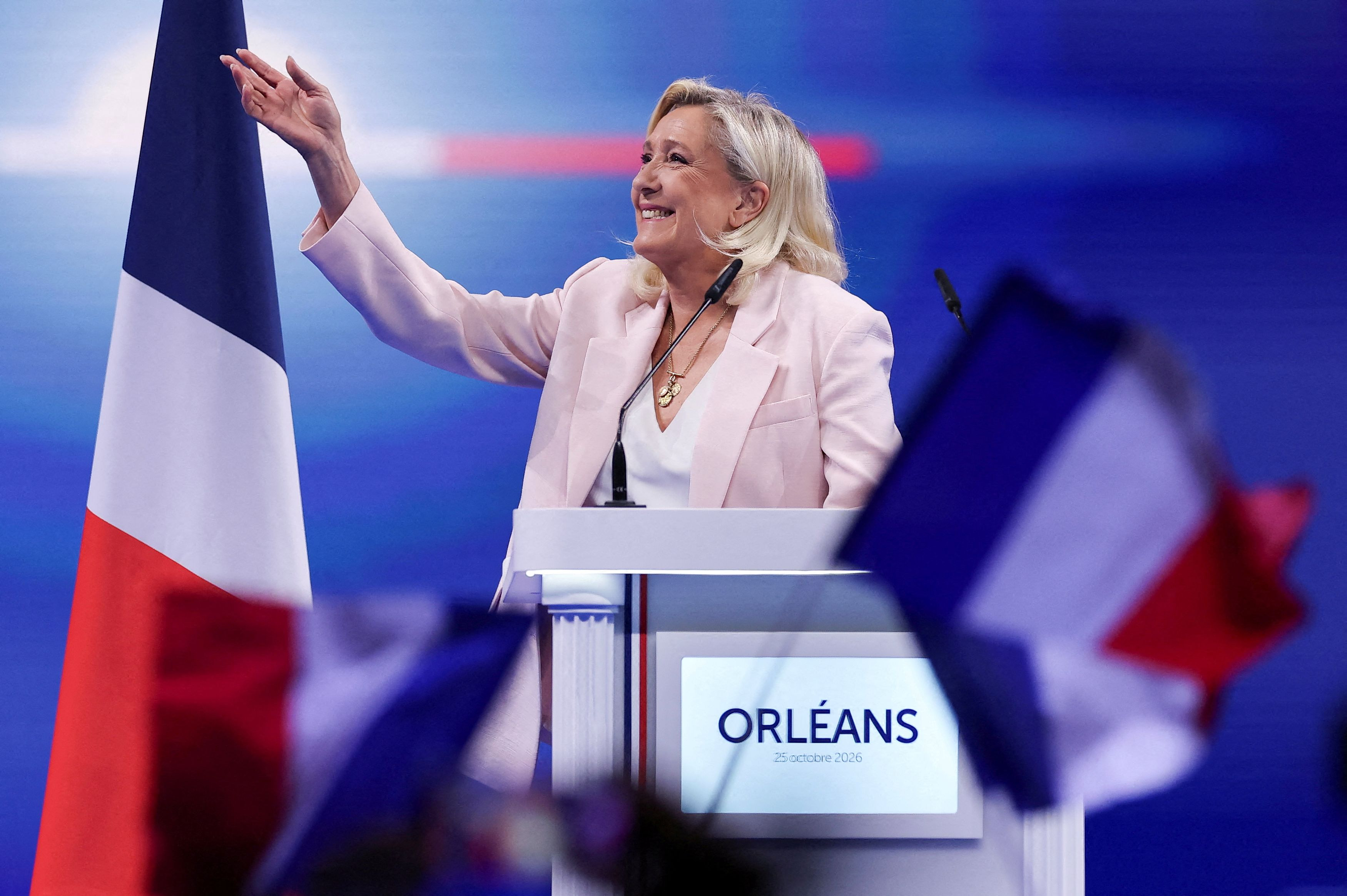
“I condemn the way Turkey has acted towards Libya: it violates the law of the sea and undermines the territorial integrity of others. This is unacceptable,” Le Pen said in an interview with Egyptian television network TEN TV, excerpts of which she published on her official X account on Sunday.
“We must also improve our relations with Libya to curb immigration,” she added.
The French politician’s comments came in response to a question about Turkey’s controversial agreement with Libya on the delimitation of maritime zones and its compliance with international law. She also emphasized the importance of defending state sovereignty, particularly regarding maritime rights.
Her intervention effectively aligns her position with that of Egypt, which has consistently rejected the 2019 memorandum signed between Turkey and Libya’s then internationally recognized Government of National Accord (GNA), based in Tripoli.
The agreement has been a source of tension in the eastern Mediterranean since its signing on Nov. 27, 2019. Greece has argued that the maritime boundaries it establishes disregard the maritime entitlements of Greek islands, particularly Crete, while attempting to delimit areas between countries that do not have opposite or adjacent coastlines.
The dispute has gained renewed significance following a decision by Libya’s eastern-based House of Representatives on Oct. 20 to approve the memorandum, reversing its previous rejection of the agreement in 2020 and restoring political relations with Ankara.
The parliamentary move marked a significant shift in eastern Libya’s approach to Turkey, which had previously supported the rival, Tripoli-based administration during the country’s political division.
The European Union has maintained that the agreement infringes on the sovereign rights of third countries, does not comply with international law of the sea and cannot produce legal consequences for them. The European Council reiterated this position in June 2025.
Egypt also renewed its opposition in a diplomatic note submitted to the United Nations on Nov. 5, arguing that the Libyan parliament’s approval does not alter the memorandum’s legal status or give it any effect on Cairo’s maritime rights.
In a further diplomatic development, Greece, Cyprus and Israel reaffirmed their opposition to the agreement following a trilateral defense meeting in Athens on Nov. 5, maintaining that it infringes on the sovereign rights of third countries.
Le Pen’s remarks are particularly notable given her emphasis on Egypt’s role in regional stability and her stated intention to strengthen relations with Cairo. She also expressed a wish to meet Egyptian President Abdel Fattah al-Sisi if she becomes president of France.