 Μake us preferred on Google
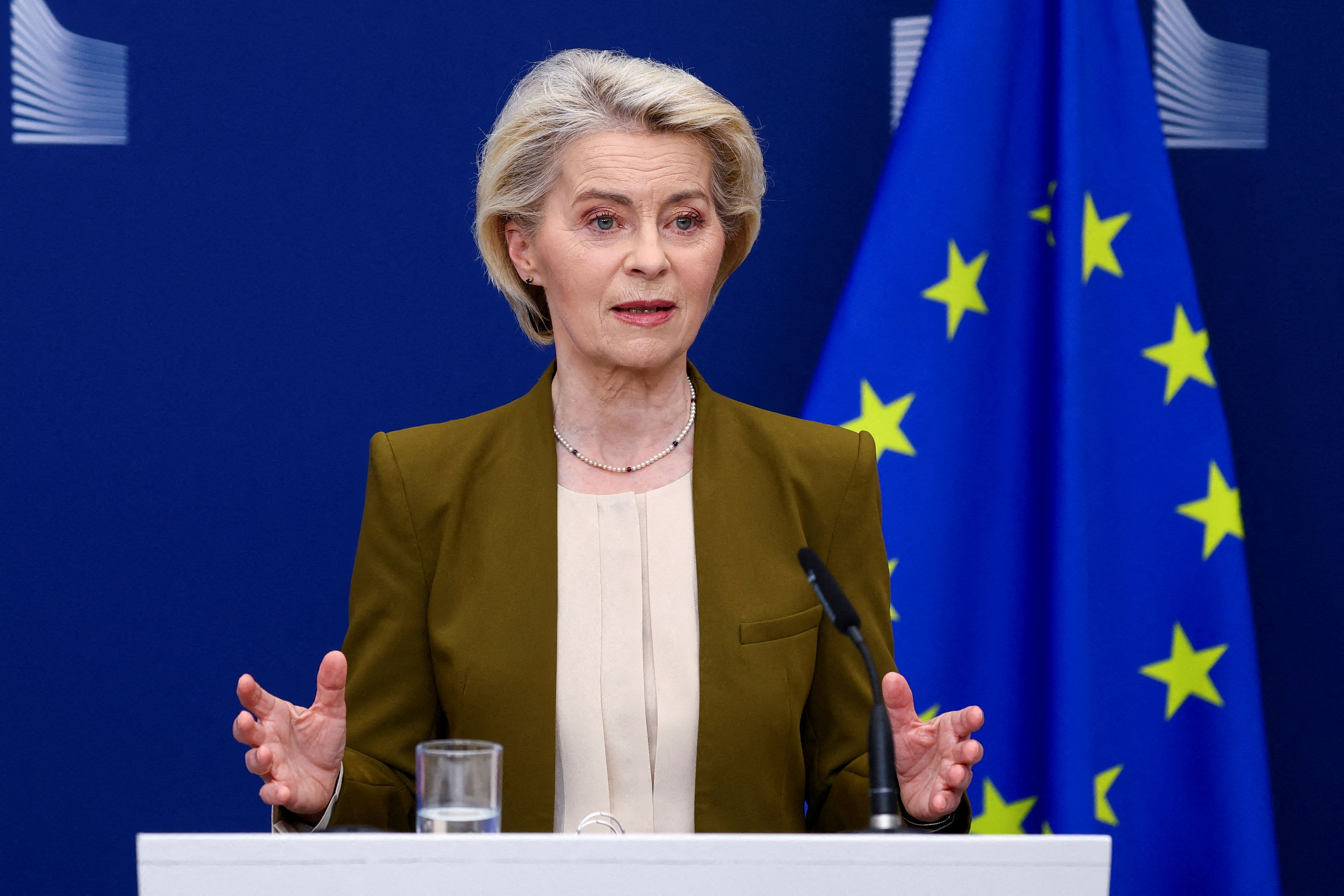
The European Union wants to target former Russian soldiers, banks, cryptocurrency platforms and sports teams in its 22nd sanctions package against Moscow since the full-scale invasion of Ukraine, European Commission President Ursula von der Leyen announced on Monday.
“We’re giving Ukraine the strength to secure a peace. And Russia, every reason to choose it,” von der Leyen said in a prerecorded video message launching the package. “We will continue to propose new sanctions until Russia shows genuine intent for lasting peace in Ukraine,” she added.
Von der Leyen said the package would increase pressure in three areas: restricting Russia’s ability to finance its war, further isolating the country and strengthening sanctions enforcement.
EU member states will now negotiate the Commission’s proposals. Several diplomats told Politico they aim to reach a deal by the end of the year. All 27 member states must agree for the package to be adopted.
Visa Ban On Ex-Combatants
One of the main measures would restrict visas for former Russian soldiers. The EU agreed on a legal framework for such restrictions in its previous sanctions package over the summer but has yet to put them into effect.
“Russian ex-combatants pose a security risk to Europe. They cannot be allowed to wander freely across our countries,” von der Leyen said, pointing to a recent escalation in covert Russian operations in Europe. The Commission also adopted revised guidelines on Monday to support the implementation of the visa ban on current and former combatants.
Shadow Fleet And Energy
The Commission wants to add more than 70 vessels to its sanctions list targeting Russia’s so-called shadow fleet, which Moscow uses to export oil and other commodities. The fleet is used to bypass the oil price cap, currently set at $44 per barrel. More than 670 of these vessels have already been denied access to EU ports and services. The Commission is also proposing to ban all tanker vessels insured in Russia.
European companies would also be barred from repairing Russian refineries damaged by Ukrainian drone attacks, and EU citizens would no longer be allowed to sit on the boards of Russian companies.
Ban On Russian Athletes
On sports, the Commission is proposing to bar Russian teams and athletes from competing in the EU. “Sports events cannot be a forum for propaganda activities,” von der Leyen said, according to AFP. The move would keep Russia out of next year’s Ice Hockey World Championship in Germany. An arbitration court had ruled that the International Ice Hockey Federation lacked sufficient grounds to exclude Russia from the tournament.
“We propose to ban the display of official Russian symbols. We will also restrict financial flows from Russian sponsors to European-based sports and cultural associations,” von der Leyen said.
Banks, Crypto And Third Countries
Closing loopholes and cracking down on shadow finance is another focus. The Commission wants to disconnect 60 more banks from international payment systems and target cryptocurrency and payment networks used to evade sanctions. It has also launched a Crypto Sanctions Task Force.
“We will focus on Russia, but also include third countries that help Russia to evade our sanctions,” von der Leyen said. The EU has previously been cautious about directly targeting third countries, but von der Leyen said the new measures would help “align with international partners.”
A Difficult Year For Sanctions
The proposals follow a difficult year for EU sanctions policy. A previous package was held up for weeks over restrictions on liquefied natural gas shipments. France also delayed the renewal of an existing sanctions framework over a national security dispute, demanding that two Russian billionaires be removed from the sanctions list.
Last week, the Commission announced a new dedicated sanctions office to oversee the design, drafting and coordination of restrictive measures.