 Μake us preferred on Google
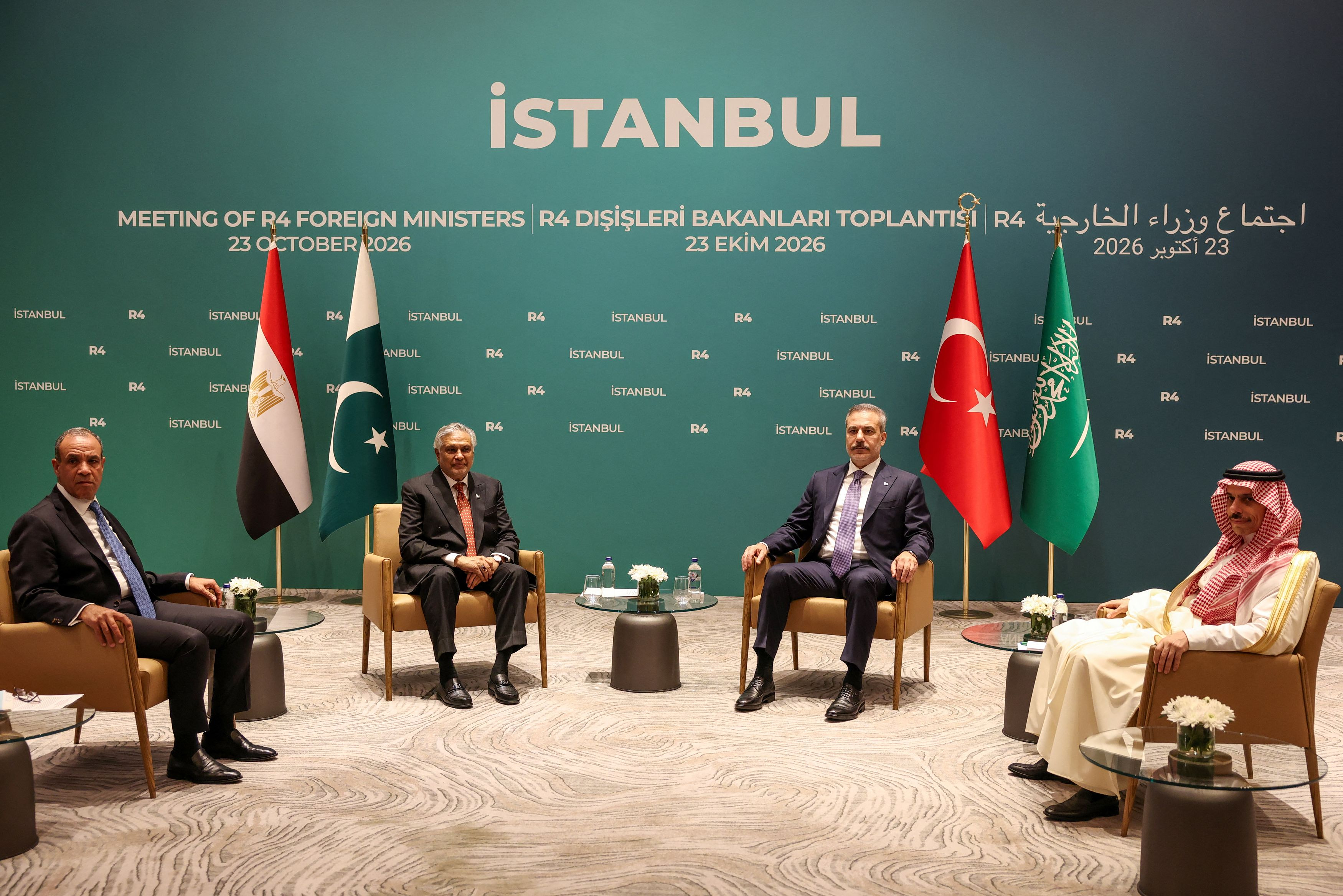
Met Türkiye’s FM Hakan Fidan and reaffirmed Egypt’s categorical rejection of the Libyan HoR’s ratification of the 2019 MoU between Fayez al-Sarraj and Türkiye. Minister Fidan expressed understanding of our concerns and stressed the need for continued consultations to address them https://t.co/Pwn7HMNNn6
— Badr Abdelatty (@EgyptForeignMin) October 23, 2026
Abdelatty reaffirmed Egypt’s position during a meeting with Turkish Foreign Minister Hakan Fidan, focusing on the approval of the agreement by Libya’s eastern-based House of Representatives, according to a post by the Egyptian minister on X.
The memorandum was signed in November 2019 by Turkey and the then Tripoli-based Government of National Accord, led by Fayez al-Sarraj. It seeks to delimit maritime jurisdiction between Turkey and Libya in the Mediterranean and has been at the center of a long-running dispute over maritime boundaries and sovereign rights in the eastern Mediterranean.
According to Abdelatty’s account, Egypt reiterated its categorical rejection of the agreement’s ratification. Fidan, for his part, expressed understanding of the Egyptian side’s concerns and stressed the need for continued consultations to address them.
The meeting comes amid mounting regional opposition following the eastern Libyan parliament’s approval of the memorandum on Oct. 20, reversing its previous rejection of the agreements concluded with Ankara in 2019.
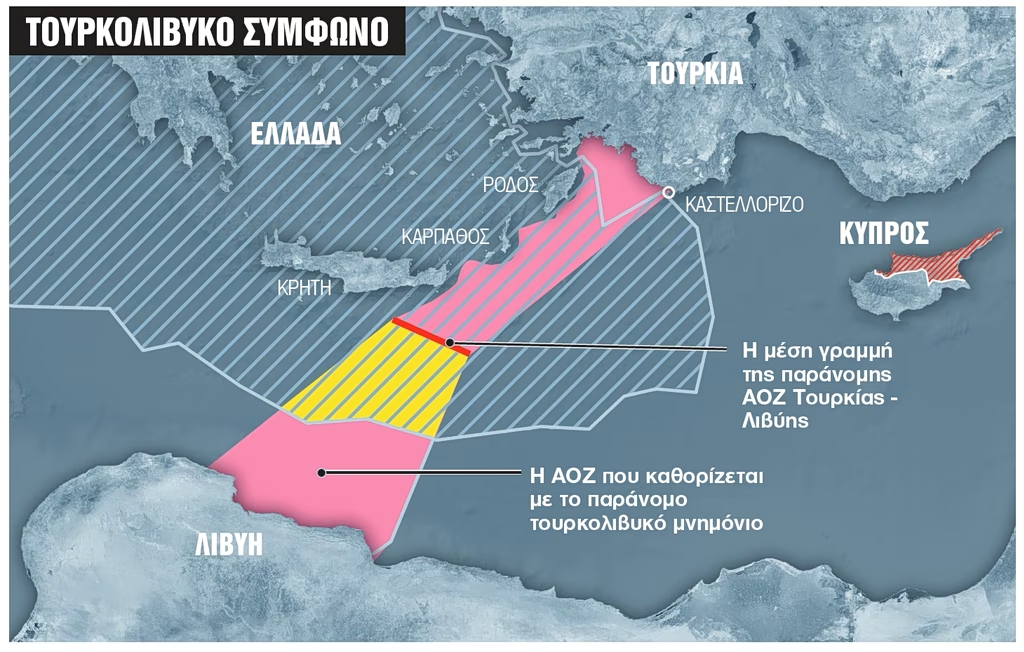
Cairo has argued that the memorandum violates international law, including the 1982 United Nations Convention on the Law of the Sea (UNCLOS), and cannot have legal consequences for Egypt’s maritime rights. Egypt has also rejected any actions based on the agreement that conflict with its declared maritime boundaries.
Greece has likewise lambasted the memorandum, arguing that Turkey and Libya do not have opposite or adjacent coastlines that would provide a legal basis for the proposed delimitation and that the agreement flagrantly disregards the maritime entitlements of Greek islands, including Crete, the fifth-largest island in the Mediterranean. Athens has maintained that the Libyan parliament’s decision does not change the agreement’s legal status.
The dispute has also prompted Greece to raise the issue at the UN Security Council, while the European Union has reiterated that the memorandum infringes on the sovereign rights of third states, does not comply with the international law of the sea and is null and void.
Greece and Egypt signed an agreement partially delimiting their exclusive economic zones in August 2020. Both countries have stressed the importance of settling maritime-boundary disputes in accordance with international law and UNCLOS, while continuing diplomatic coordination over the implications of the Turkey-Libya memorandum.