 Μake us preferred on Google
Greece’s emergency medicine specialists are calling for a shift to a new operating model for hospital emergency departments, with round-the-clock services every day, reigniting debate over the country’s hospital on-call system in major urban centers.
The Hellenic Society of Emergency Medicine (HESEM) argues that the current system, under which hospitals take turns providing general emergency services once every four days, creates serious problems in emergency care by concentrating hundreds of patients in a limited number of hospitals within a single 24-hour period.
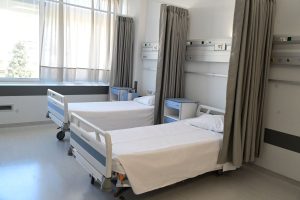
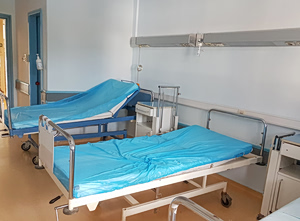
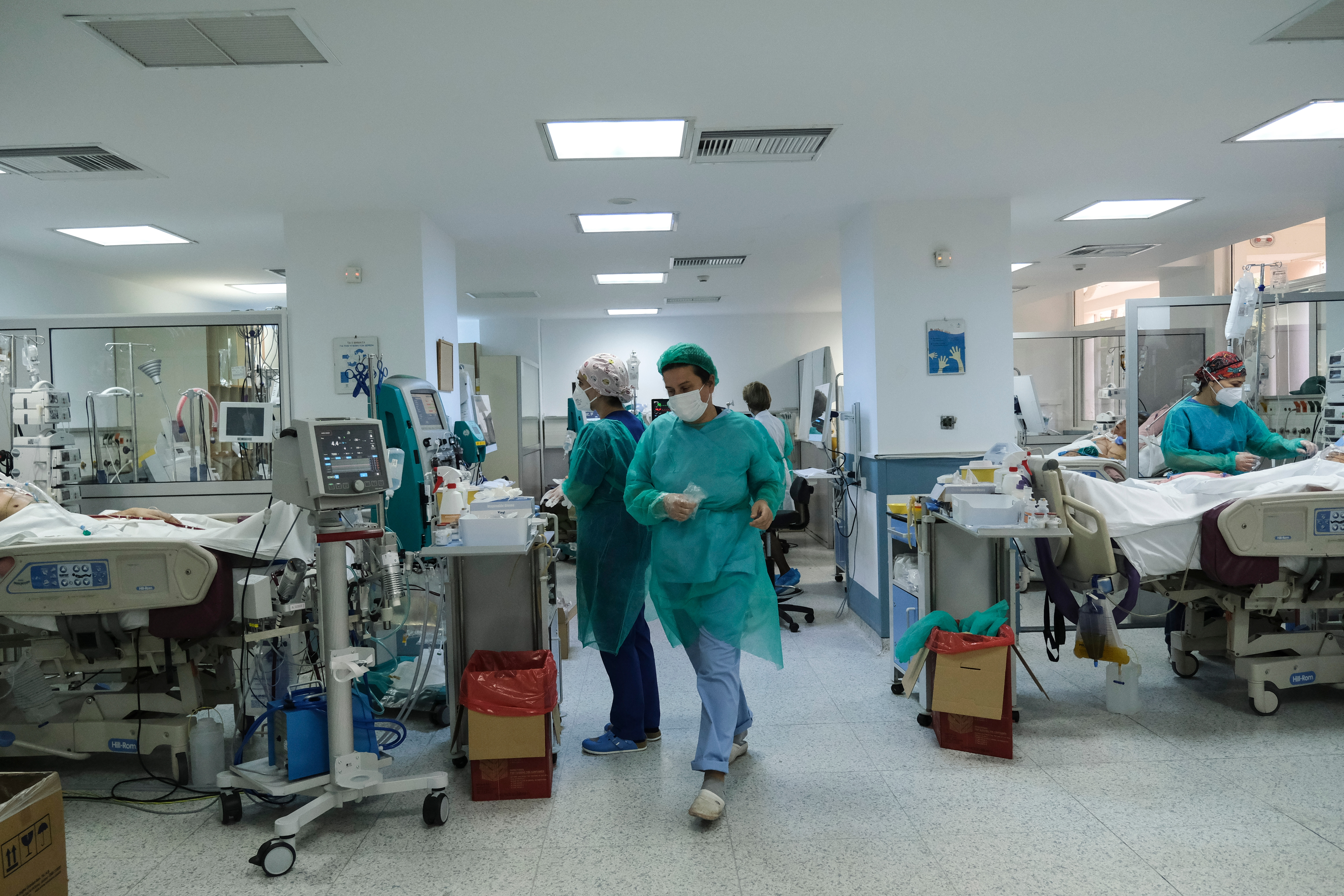
According to the Society, this leads to prolonged waiting times, delays in the initial assessment and resuscitation of critically ill patients, and the use of additional hospital beds in corridors, commonly known in Greece as ranch beds.
Citing international research, HESEM warns that overcrowding in emergency departments is associated with higher mortality rates, delays in the administration of critical treatments and worse patient outcomes.
The pressure also extends beyond the days when hospitals are on general emergency duty. Large numbers of admissions tie up hospital resources, forcing other departments to manage the influx of patients under pressure and disrupting the scheduling of routine admissions and surgical procedures.
The Society also argues that the system creates the misleading impression that emergency department staff are underutilized on days when their hospitals are not on general duty. This has historically led hospital administrators to transfer emergency physicians to other departments to cover permanent staffing shortages, undermining the organizational stability of emergency services.
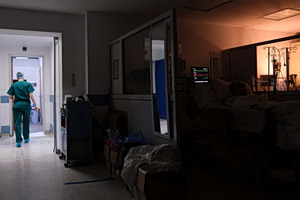
Staff burnout is another major concern. HESEM says that providing emergency care under conditions of constant crisis and fragmented support leads to rapid exhaustion among emergency department personnel, discouraging younger medical professionals from joining the field and contributing to waves of resignations.
Staffing and resources needed for 24-hour services
HESEM stresses that introducing daily, round-the-clock emergency department operations cannot be achieved through a simple administrative decision. Without the necessary resources and adequate staffing, the change could lead to uncontrolled patient arrivals at major university and tertiary-care hospitals.
For an emergency department receiving an average of 250 to 300 patients a day, the Society estimates that 35 to 40 specialist physicians and 100 to 120 nurses working rotating shifts would be required. Under the staffing standards it cites, the minimum nurse-to-physician ratio should be 3 to 1.
Its proposals include formally establishing Emergency Medicine as an independent medical specialty, creating university departments or clinics dedicated to the field, employing nurses with specialized emergency care training and setting minimum staffing requirements based on the number and severity of cases handled by each department.
The Society also recommends establishing fast-track clinics for patients whose conditions do not require extensive investigation. In addition, it proposes digitally connecting emergency departments with Greece’s National Center for Emergency Care (EKAB), allowing ambulance transfers to be directed according to hospitals’ actual capacity and available facilities.
Hospital doctors propose a different on-call system
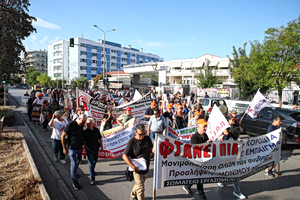
The National Union of Hospital Doctors of Athens and Piraeus (EINAP) has also highlighted the pressure on emergency services, recently raising concerns about conditions at the emergency department of G. Gennimatas Hospital in Athens.
According to the union, the hospital receives between 800 and 1,000 patients during each general emergency shift, as well as approximately 200 during morning emergency services.
Patient arrivals and admissions have increased by around 30% over the past two years, while, EINAP alleges, emergency shifts are being covered by fewer doctors than even the staffing levels set out in the hospital’s Scientific Council’s safe-duty schedule.
As a result, doctors face excessive workloads and exhaustion. One physician may be required to manage more than 50 patients during a shift, while consecutive working hours can reach 32.
The union has also highlighted staffing shortages at Sismanogleio Hospital, where only three of the 12 authorized anesthesiologist positions are filled. Emergency shifts are covered with the help of one additional doctor seconded from Pammakaristos Hospital.
During regular morning operations, only three of the hospital’s eight operating rooms are functioning, according to the union.
Despite these concerns, EINAP is advocating a different approach from HESEM. It proposes abolishing daily morning emergency shifts and having all hospitals in the Attica region operate on a 24-hour emergency basis once every four days.