 Μake us preferred on Google
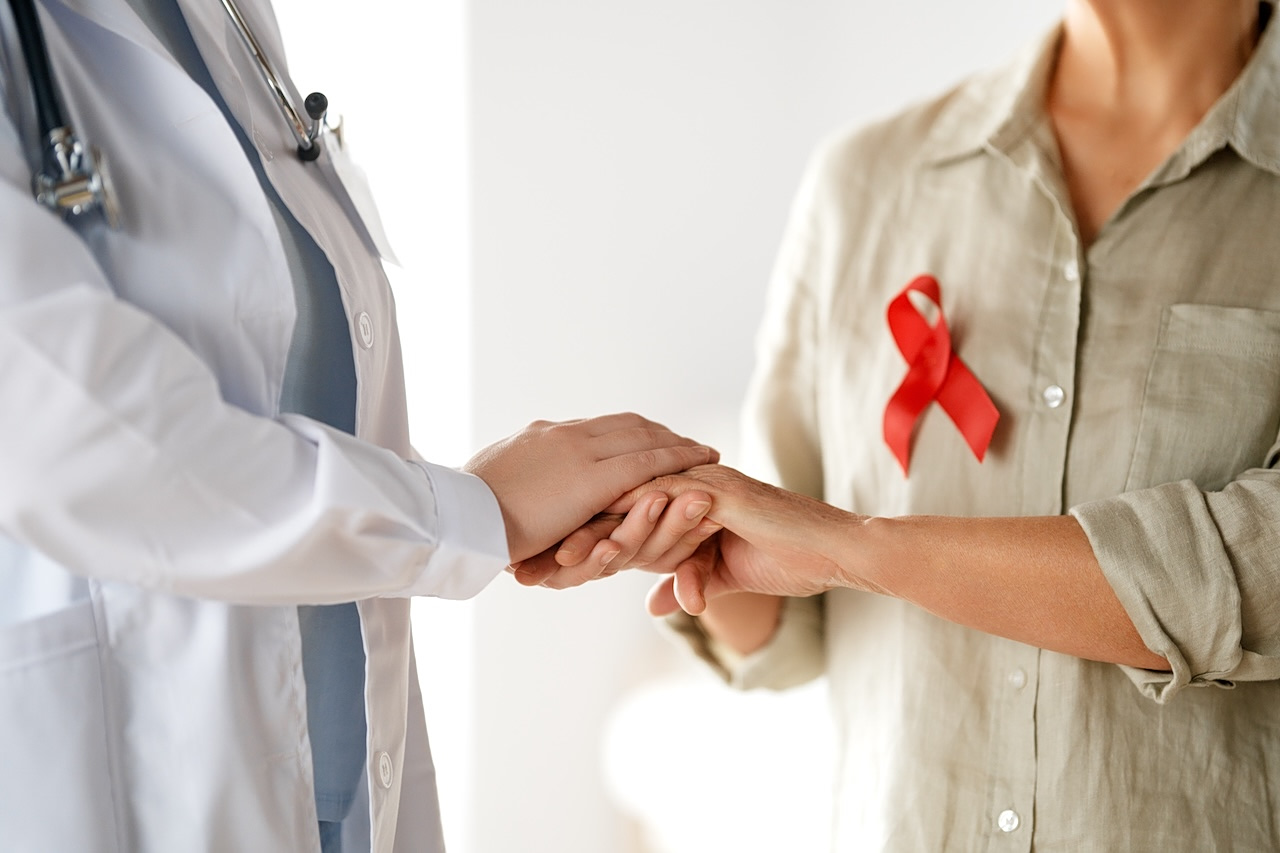
The number of new HIV diagnosis in Greece dropped in the first 10 months of 2026 compared to the same period a year earlier, according to tentative data released by Greece’s National Public Health Organization (EODY).
However despite the positive news, nearly half of all new HIV diagnoses are made late, while more than one in four people diagnosed are not receiving antiretroviral treatment. Additionally, a significant proportion of patients fail to continue with treatment and medical follow-up.
More specifically, preliminary data shows that the number of new diagnosis fell by 6.8% in the 10-month period to October 2026, reaching 490, compared to 526 in the same period a year earlier.
According to EODY experts, the decline does not necessarily reflect a corresponding decrease in new infections.
The Hellenic Society for the Study and Control of AIDS (EEMAA) notes that effective antiretroviral therapy has helped make HIV into a chronic, manageable condition. However, this progress has not yet translated into equal access to prevention, early diagnosis, and continuous care.
The majority of new diagnoses in 2026 were among men (84.1%) with those in 40-49 age bracket accounting for the largest share.
The proportion of late diagnoses also dropped from 52% in 2025 to 49.5% in 2026. Despite this improvement, nearly half of thse for whom data is available were diagnosed only after the infection had already significantly affected their immune systems.
According to EEMAA, late diagnosis is more common among people aged 50 or older (62.5%), those who acquired HIV through intravenous drug use (58.1%), and women (52.6%).
The figures on delayed diagnosis are particularly concerning. Late detection is associated with an increased risk of complications and a poorer prognosis.
In Greece, an estimated 89% of people living with HIV have been diagnosed, but only 74% are receiving antiretroviral therapy. Among those on treatment, 93% have achieved viral suppression.