 Μake us preferred on Google
Russia’s navy was once a symbol of the Kremlin’s ambitions to restore its status as a post-Soviet superpower. But after humiliating losses to Ukraine in the Black Sea and the destruction of a warship in the Mediterranean port of Benghazi this week, Moscow’s navy is finding almost nowhere is safe from drone attacks.
Despite not having a conventional navy, Ukraine has demonstrated the fearsome reach of its uncrewed sea drones — remote-controlled speedboats loaded with explosives.
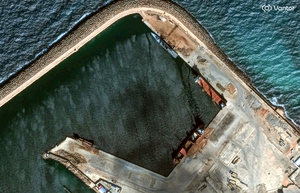
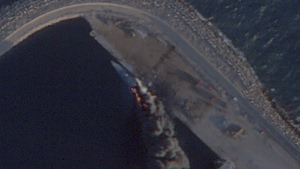
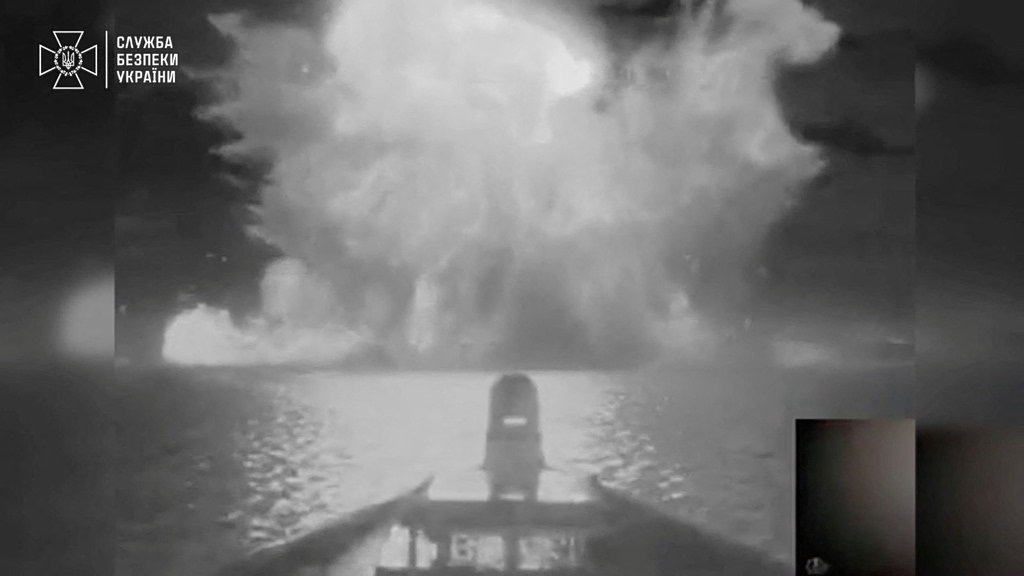
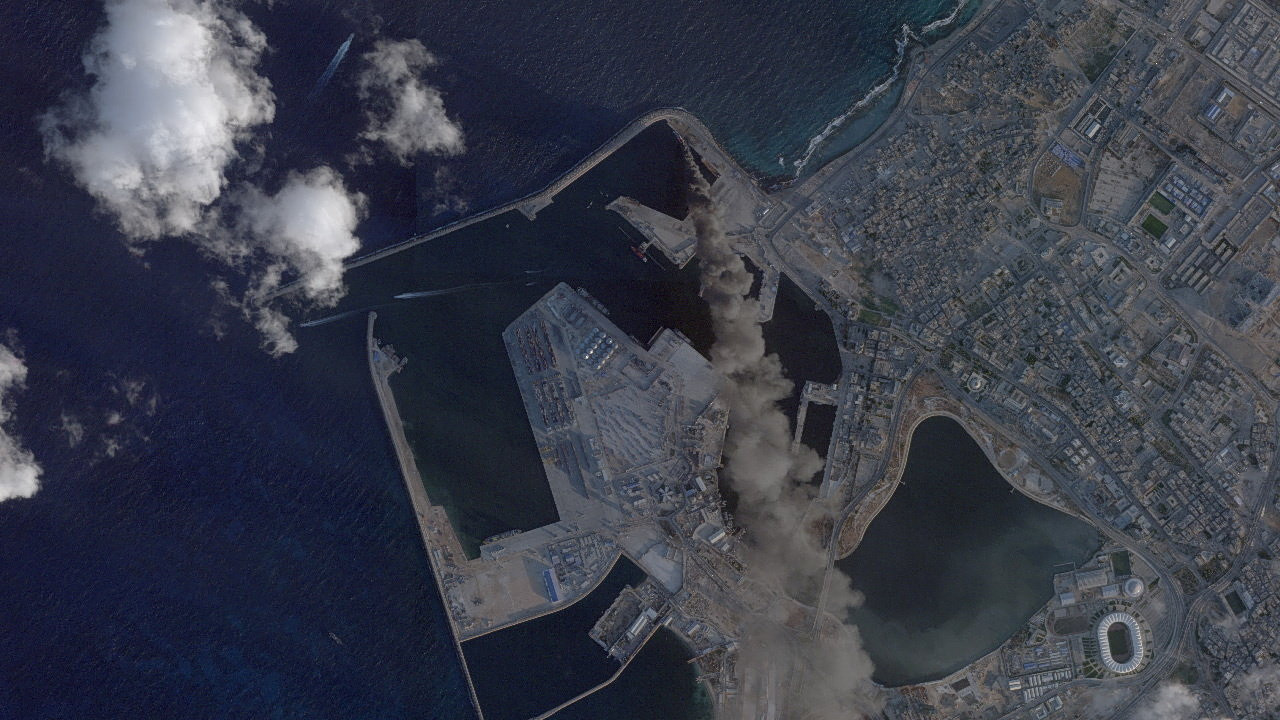
On Sunday, Ukrainian sea drones slammed into the hull of a Russian corvette in Benghazi, Libya, sinking it, and also hit a cargo vessel used to transport weapons off the Libyan coast.
Meanwhile, an apparent Ukrainian drone strike on a Russian cargo ship off the coast of Finland showed that even in its well-defended north, Russia’s navy struggles to protect its own merchant fleet.
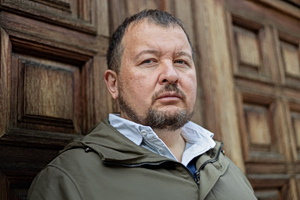
“On paper, Russia has a very good fleet, but I think in practice it’s pretty ropey,” said John Foreman, a Royal Navy veteran and former British defence attaché in Moscow, adding that the setbacks exposed Russia’s inability to adapt to modern maritime warfare in which drones and speedboats pose lethal threats.
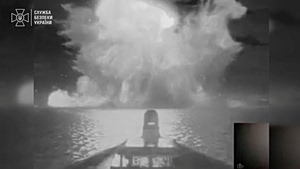
Video footage released by Ukraine on Monday showed explosive-laden Ukrainian naval drones smashing into the side of the Merkury, a corvette commissioned in 2023, unleashing massive explosions.
Naval experts said most ships would be equipped with anti-drone defences such as floating barriers known as booms when they are in harbour. “They get attacked because they haven’t put the boom up and there’s no harbour defences. It is pretty elementary stuff,” said Foreman. “So it doesn’t strike me as much of a learning organisation.”
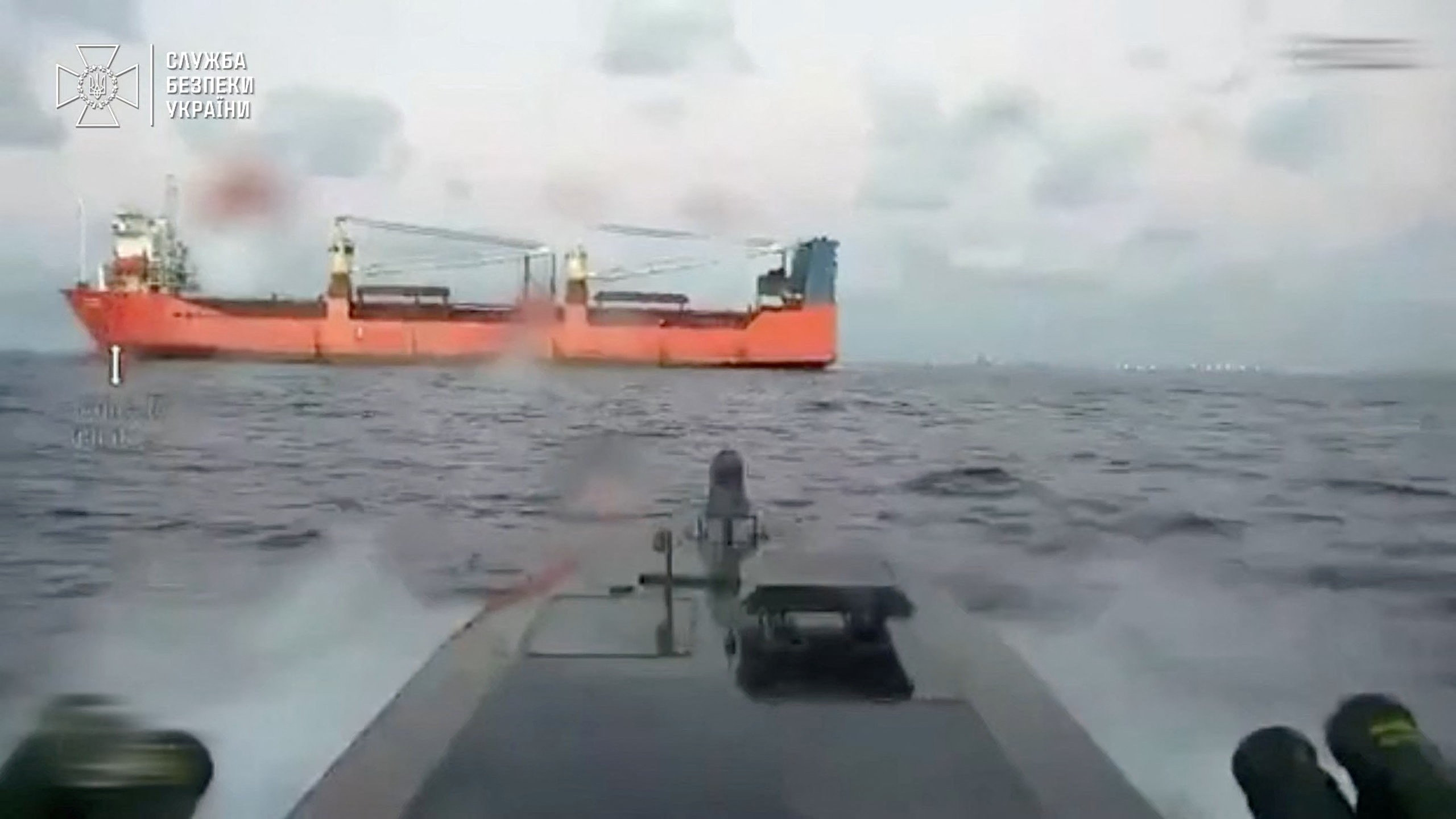
A maritime drone approaching a vessel off Benghazi, Libya, November 22, 2026, in this screen grab obtained from a video. Volodymyr Zelenskiy via Telegram/Handout via REUTERS
“I think the problem they’ve got is that they have this bizarre idea that Ukrainians can’t attack them,” he said, adding that Russian ships continued to operate without protective measures which have become second nature for navies that faced similar threats from sea drones, such as UK and US navies operating against Yemen’s Houthi militants in the Red Sea.
“I would say, don’t sit alongside [a dock] or sit in an anchorage where you know the Ukrainians are operating,” he said. “Stay at sea, maintain depth and give yourself some warning time to tackle threats.”
The Black Sea has provided the starkest demonstration of Russia’s naval failures. Ukraine, which saw its conventional navy destroyed in the weeks following Russia’s 2022 invasion, has revolutionised naval combat with its use of sea drones such as the Magura, a remote-controlled speedboat that carries 600kg of explosives and has a maximum range of 800 nautical miles.
Since the start of the full-scale invasion of Ukraine, Russia has acknowledged the loss of or damage to at least eight military vessels, including the flagship cruiser Moskva, which sank in April 2022 after being hit by Ukrainian anti-ship missiles. Experts say that as many as 21 Russian warships, including smaller craft and tugboats, may have been sunk.
These losses have forced Russia to withdraw its Black Sea Fleet from its historic base in Sevastopol in occupied Crimea, relocating vessels to ports further east such as Novorossiysk, where they continue to be attacked.
“The Black Sea Fleet has largely lost not only its combat capability but even its ability to operate. It does not go to sea,” said Pavel Luzin, visiting scholar at the Fletcher School of Law and Diplomacy.
Following the debacle in the Black Sea, Russian President Vladimir Putin in 2024 sacked Nikolai Yevmenov, an admiral who had commanded the navy since 2019, and replaced him with the commander of its northern fleet, Admiral Alexander Moiseyev, a submariner.
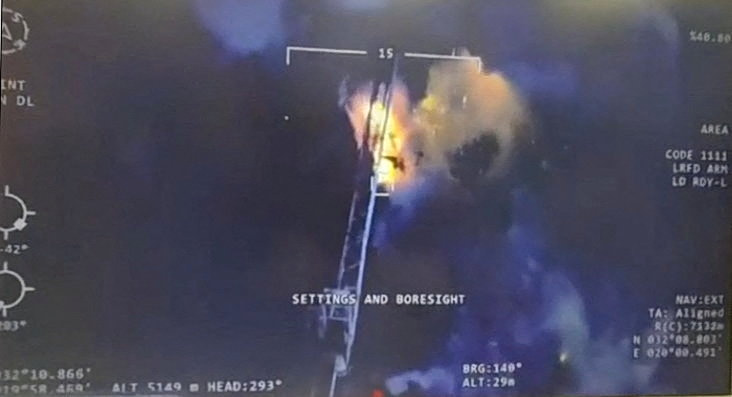
A screen recording shows the moment of the attack on a Russian cargo ship, off the coast of Benghazi, Libya November 22, 2026, in this screengrab taken from a video. MEDIA OFFICE OF THE EASTERN LIBYAN FORCES [LIBYAN NATIONAL ARMY]/Handout via REUTERS
After coming to power three decades ago, Putin embarked on ambitious plans to modernise the navy and replace most of its Soviet-era equipment. And in April 2025 he announced that four new Borei-class nuclear missile submarines and four Yasen-class attack submarines had been commissioned, part of an ambitious Rbs 8tn (about $100bn) plan to rebuild the navy. Few further details have emerged since.
In addition to direct losses, the Russian navy’s logistical problems have become chronic, slowing the construction of new ships and the maintenance and modernisation of existing ones. What Russia had lost at sea in this war could not be replaced, said Luzin.
Even small ships such as corvettes and patrol craft could take seven to eight years to build, he said. The navy’s only aircraft carrier, the Admiral Kuznetsov, has apparently been retired from service.
Russian aircraft carrier, the Admiral Kuznetsov, docked in Murmansk for maintenance © Semen Vasileyev/Anadolu Agency via Getty Images
“If the Russian leadership had a little more sense, it would now be radically rethinking its entire approach to the navy,” said Luzin.
The Russian navy’s difficulties are particularly pronounced in enclosed waters, where ships can be tracked and attacked from shore and have limited room to manoeuvre.
Yet, Foreman said its Northern Fleet, based on the Kola Peninsula, remained a cornerstone of Moscow’s military power, operating nuclear-powered submarines armed with ballistic and cruise missiles. “Just because they’re doing badly in the Black Sea doesn’t mean they’ll do badly in the north Atlantic, especially with their submarines,” said Foreman.
Unlike the surface vessels exposed to Ukrainian attacks, these submarines presented a formidable challenge to Nato forces in the north Atlantic, he said.
The result is a Russian navy increasingly divided between a vulnerable surface fleet struggling to adapt to new threats and an undersea force that remains among the most dangerous elements of Moscow’s military arsenal.
Luzin said that Russia’s main naval strength was concentrated in the Arctic and the Pacific. “For now, it is not the Ukrainian armed forces that are working against them, but time and the deterioration of Russian industry and the education system,” he said.