 Μake us preferred on Google
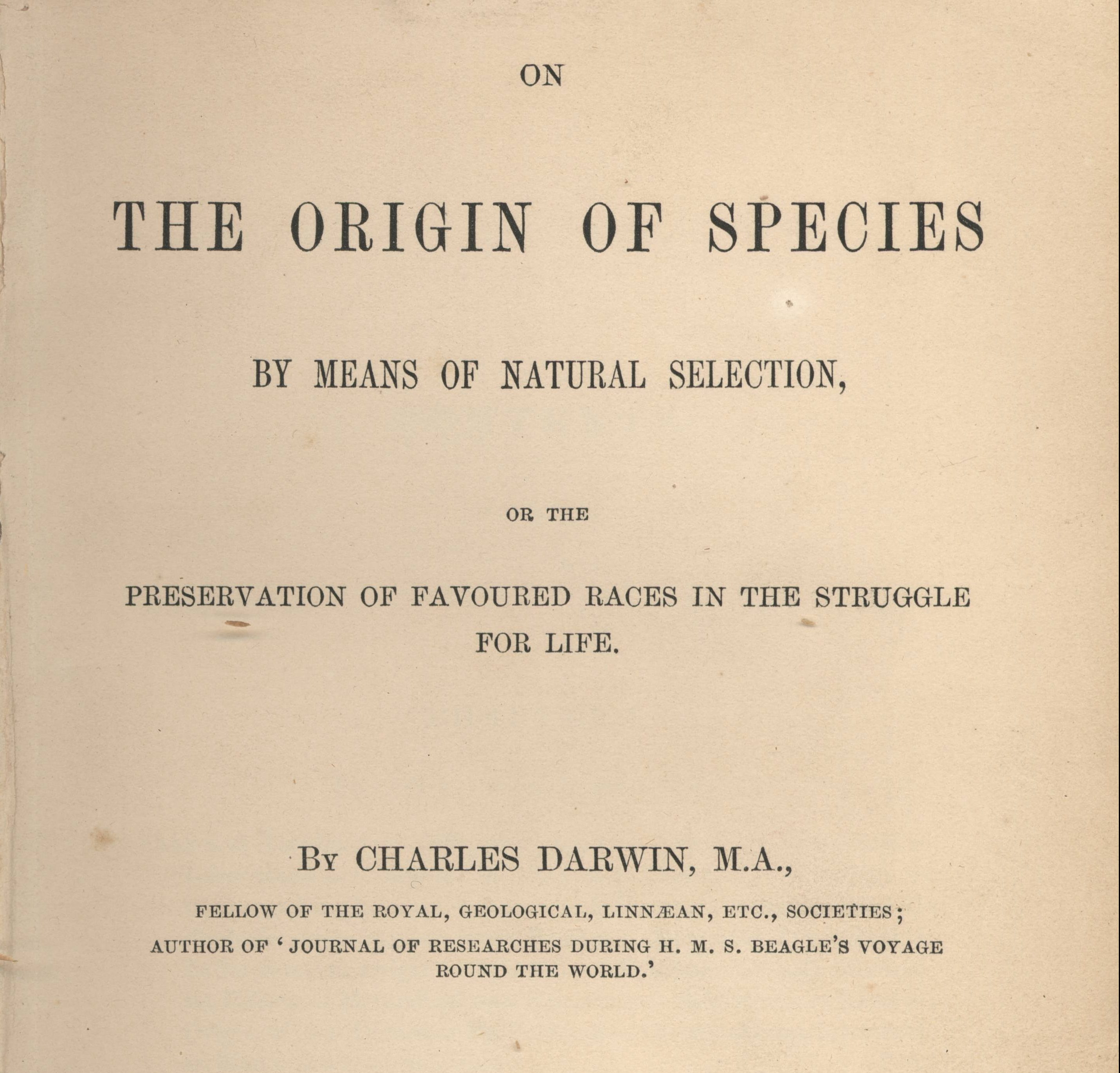
When Charles Darwin published “On the Origin of Species”, it was not only a milestone scientific work, but also a foundational text of evolutionary biology, shattering deeply entrenched beliefs of humans about their place within the animal kingdom. The book was the product of more than 20 years of work, beginning when Darwin was aboard the HMS Beagle (from December 27, 1831, to October 2, 1836), working as the ship’s naturalist.
It might have taken even longer for Darwin had it not been for Alfred Russel Wallace, another naturalist, who in 1858, working in what is now Indonesia, independently arrived at the same idea and sent Darwin a paper describing it. Prompted by colleagues, Darwin agreed to present his own work alongside Wallace’s at the Linnean Society in London on July 1, 1858. Just over a year later, “On the Origin of Species” was in print.
The Galapagos Discovery
Darwin’s adventure in the Galapagos began when the HMS Beagle arrived on the island chain on September 15, 1835, landing on Chatham Island (now San Cristóbal). Over the next five weeks, the crew passed through several islands while Darwin collected specimens from various species and took notes.
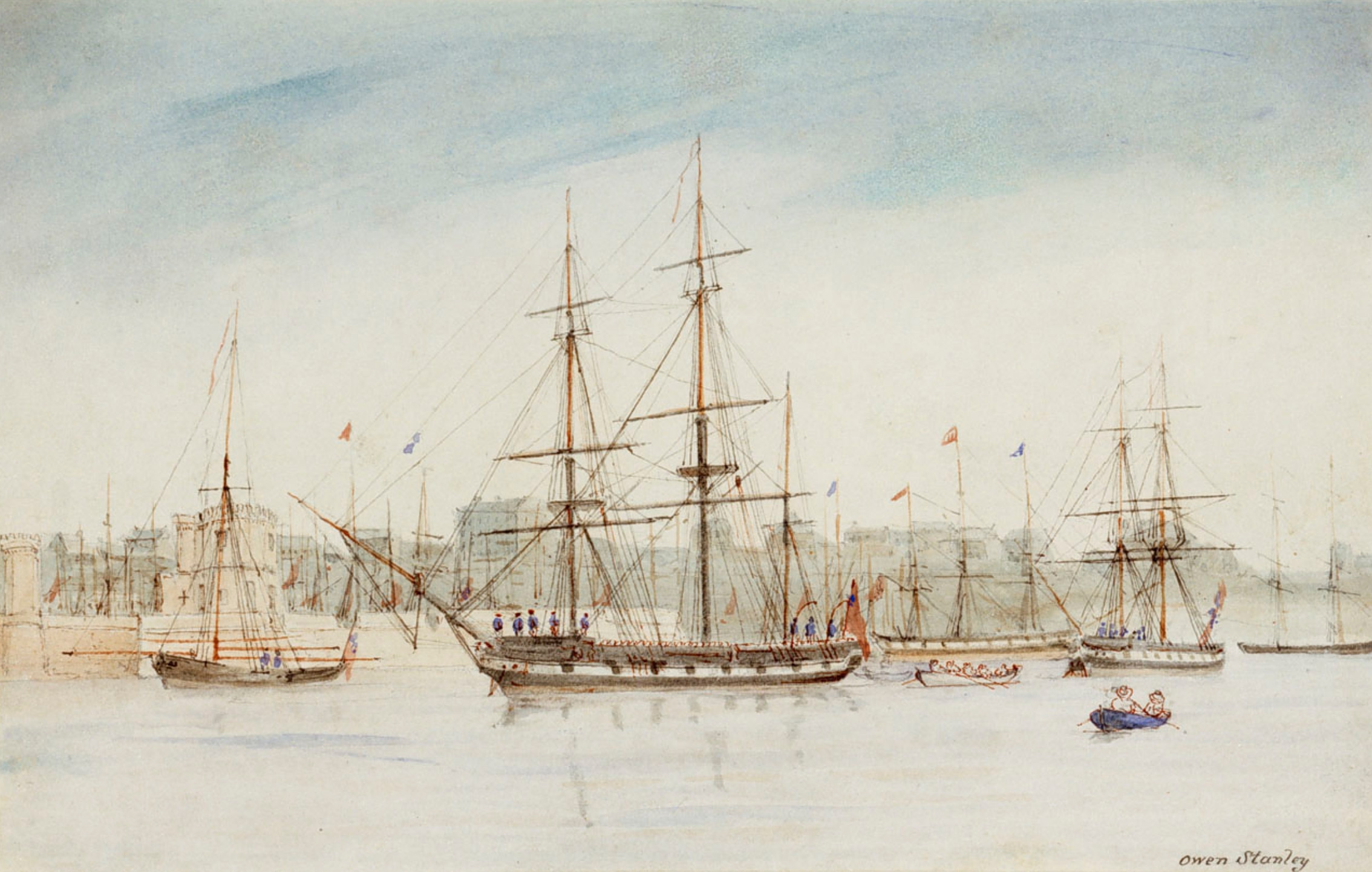
HMS Beagle (center) from an 1841 watercolor by Owen Stanley, painted during the third voyage while surveying Australia. Credit: National Maritime Museum, Greenwich, London, via Wikimedia Commons
The tale goes that he most famously observed the Galapagos giant tortoises, and noticed variations in their shells as he moved from island to island.
However, at the time he paid little attention to this, thinking that the variations were because the tortoises had been imported from mainland South America. Upon his return to England, and after speaking to and allowing his bird samples to be studied by ornithologist John Gould, he was convinced that different islands in the Galapagos had different populations of mockingbirds.
Botanist Joseph Hooker also confirmed, after studying plant samples, that much of the Galapagos flora was not only unique to the island chain, but also unique to individual islands.
Darwin then extrapolated this idea to the tortoises, realizing that they must have developed variations independently. So it was that the islands’ mockingbirds and giant tortoises went on to become classic examples of evolution.
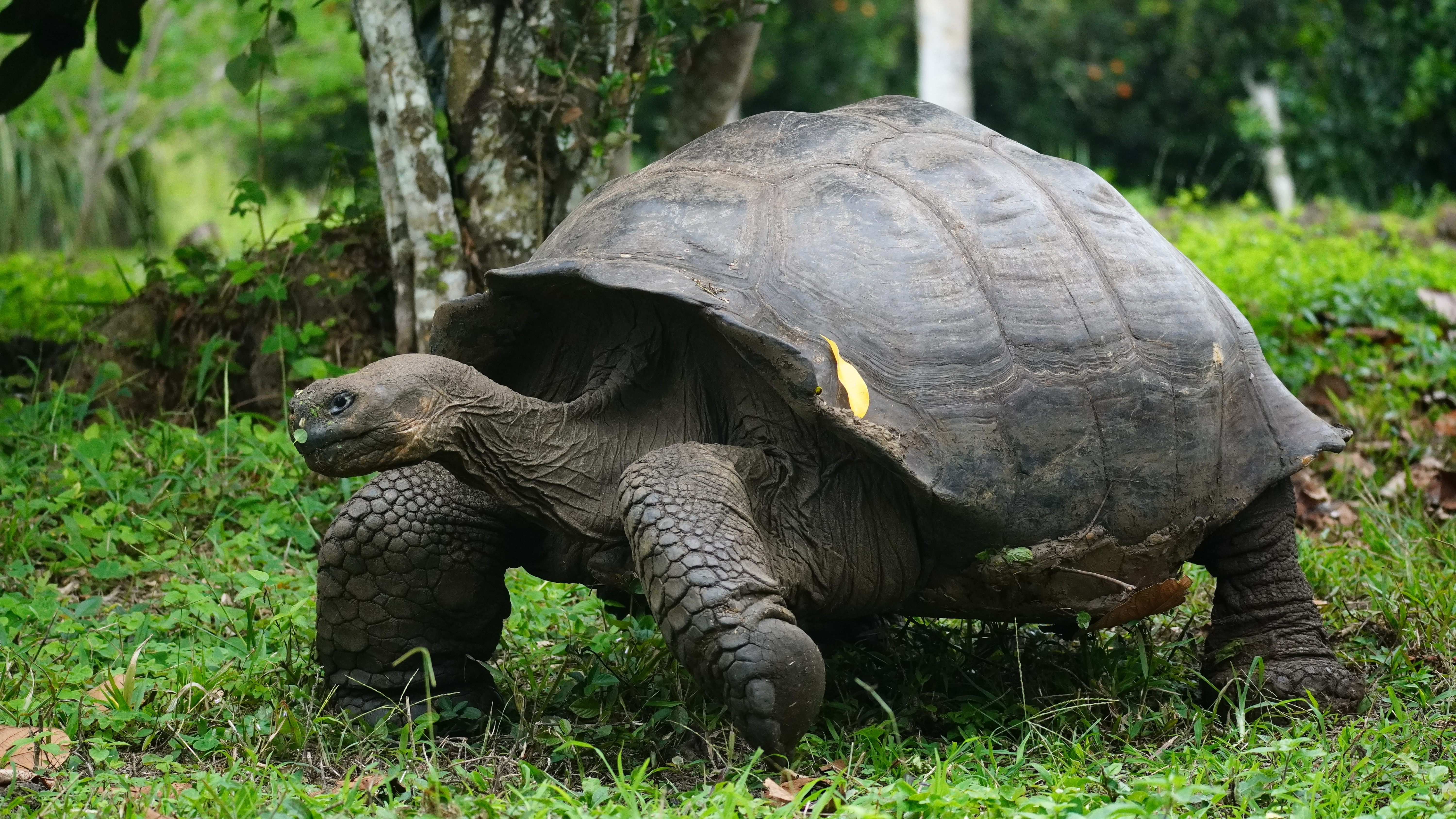
Galapagos giant tortoise on Santa Cruz Island. Credit: tonimunozcasas via Shutterstock
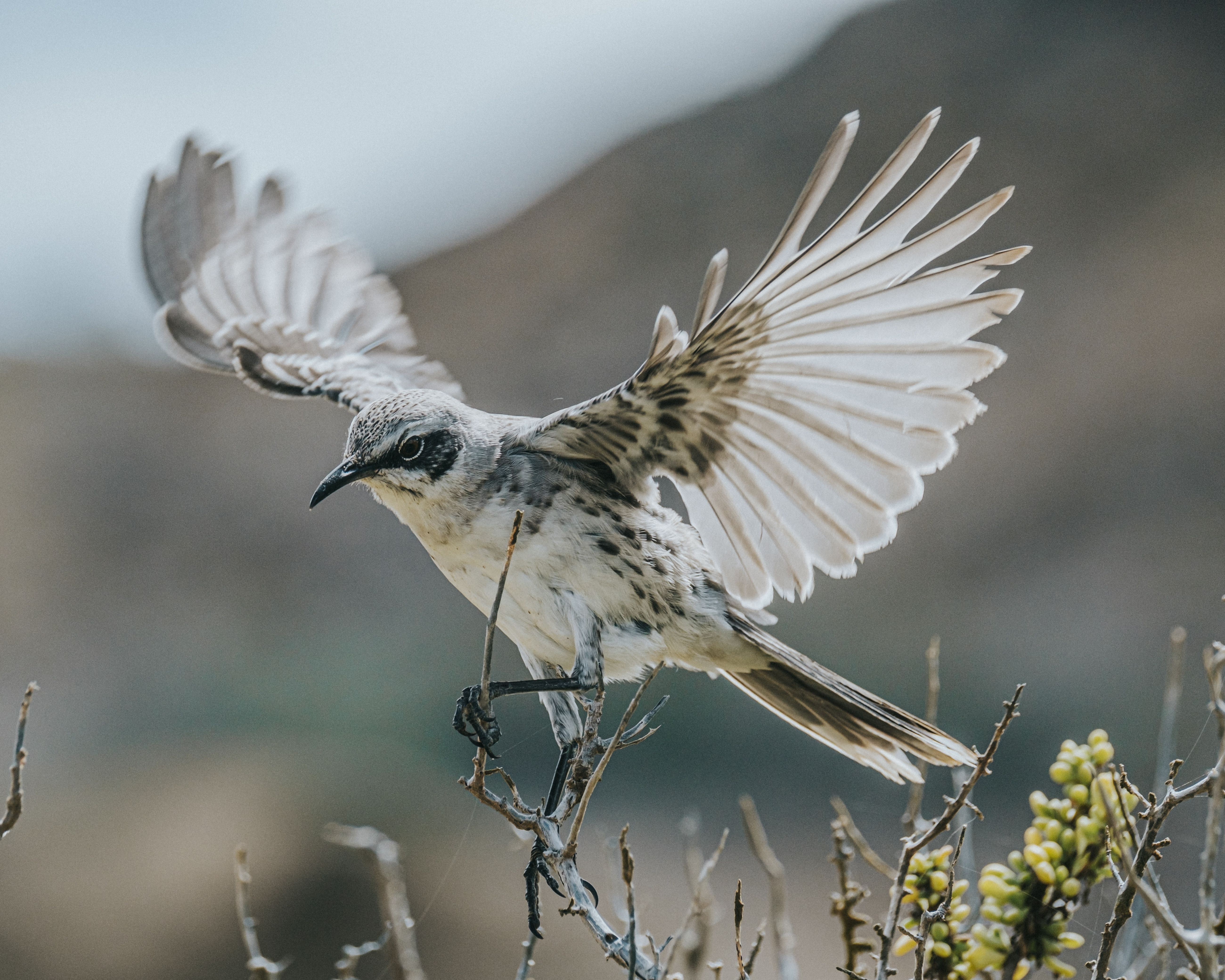
A Galapagos mockingbird soaring in the air at the Galapagos Islands. Credit: mishamartin via Shutterstock
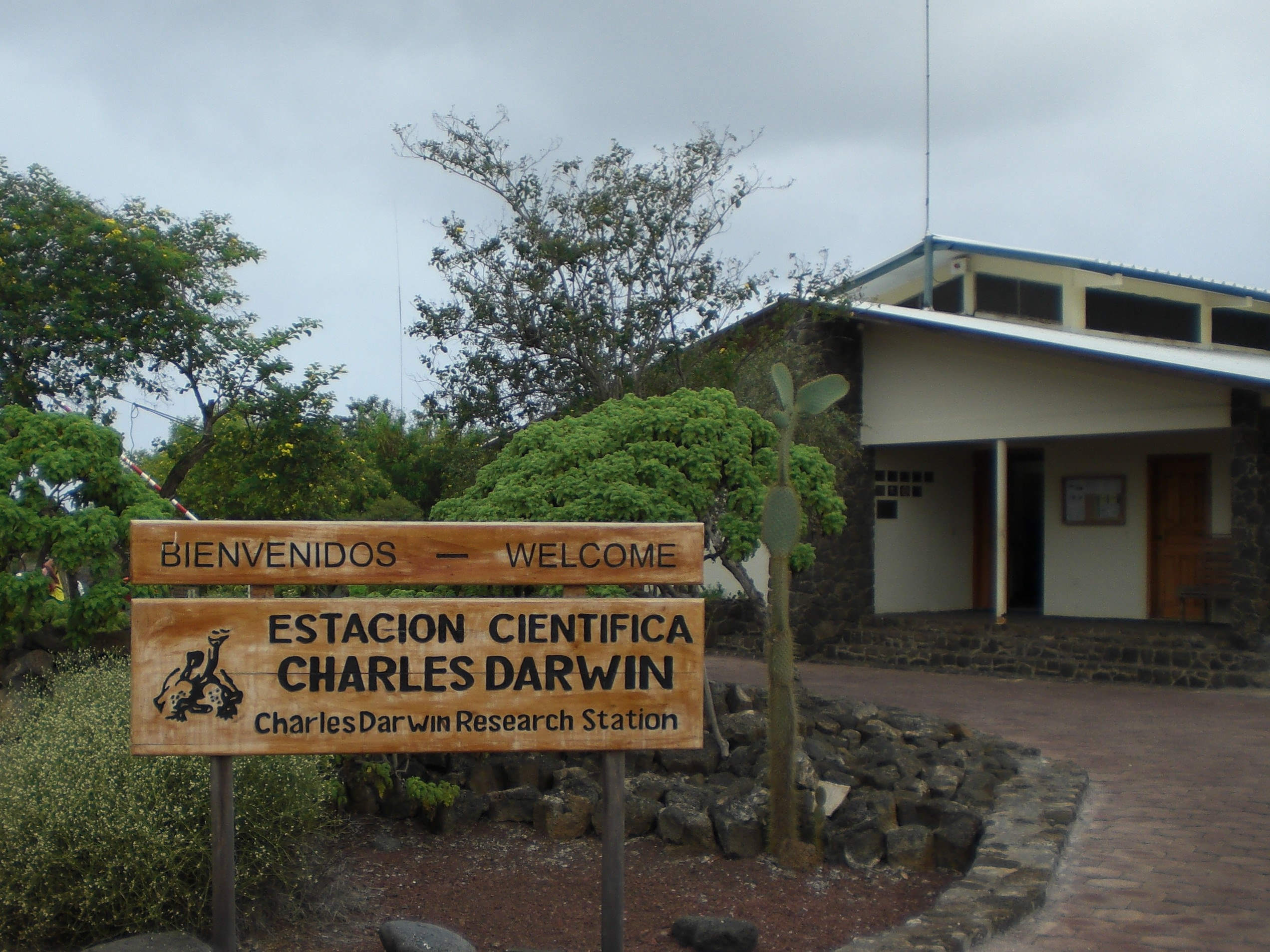
Today, Darwin’s name lives on in the archipelago through the “Charles Darwin Research Station” on Santa Cruz Island. It was inaugurated in 1964 as a base for scientists working in the Galapagos and is run by the Charles Darwin Foundation, founded in 1959 to help protect the fragile ecosystem of the islands. Together, they form the largest and oldest science and conservation organization in the Galapagos.
Challenging the Establishment, Scientific & Religious
Darwin’s theory proposed that species did not spring to life separately and unchanged but rather evolved gradually from common ancestors through natural selection.
A central pillar of the theory is that within a species, individuals exhibit traits that vary and that those with traits better suited to their environment are more likely to survive and pass those traits on to their offspring. Over many generations, thousands to millions of years, these small changes add up, and populations can become entirely new species. The often-quoted phrase “survival of the fittest,” ascribed to Darwin, was in fact coined by the philosopher Herbert Spencer, with Darwin only adopting it in the fifth edition of the book in 1869.
The book’s assertions divided the scientific world. His old geology teacher and mentor Adam Sedgwick delivered distressing criticism, writing to him: “I have read your book with more pain than pleasure. Parts of it I admired greatly; parts I laughed at till my sides were almost sore; other parts I read with absolute sorrow; because I think them utterly false & grievously mischievous.“
The anatomist Richard Owen, one of the most powerful scientists in Britain, was also highly critical.
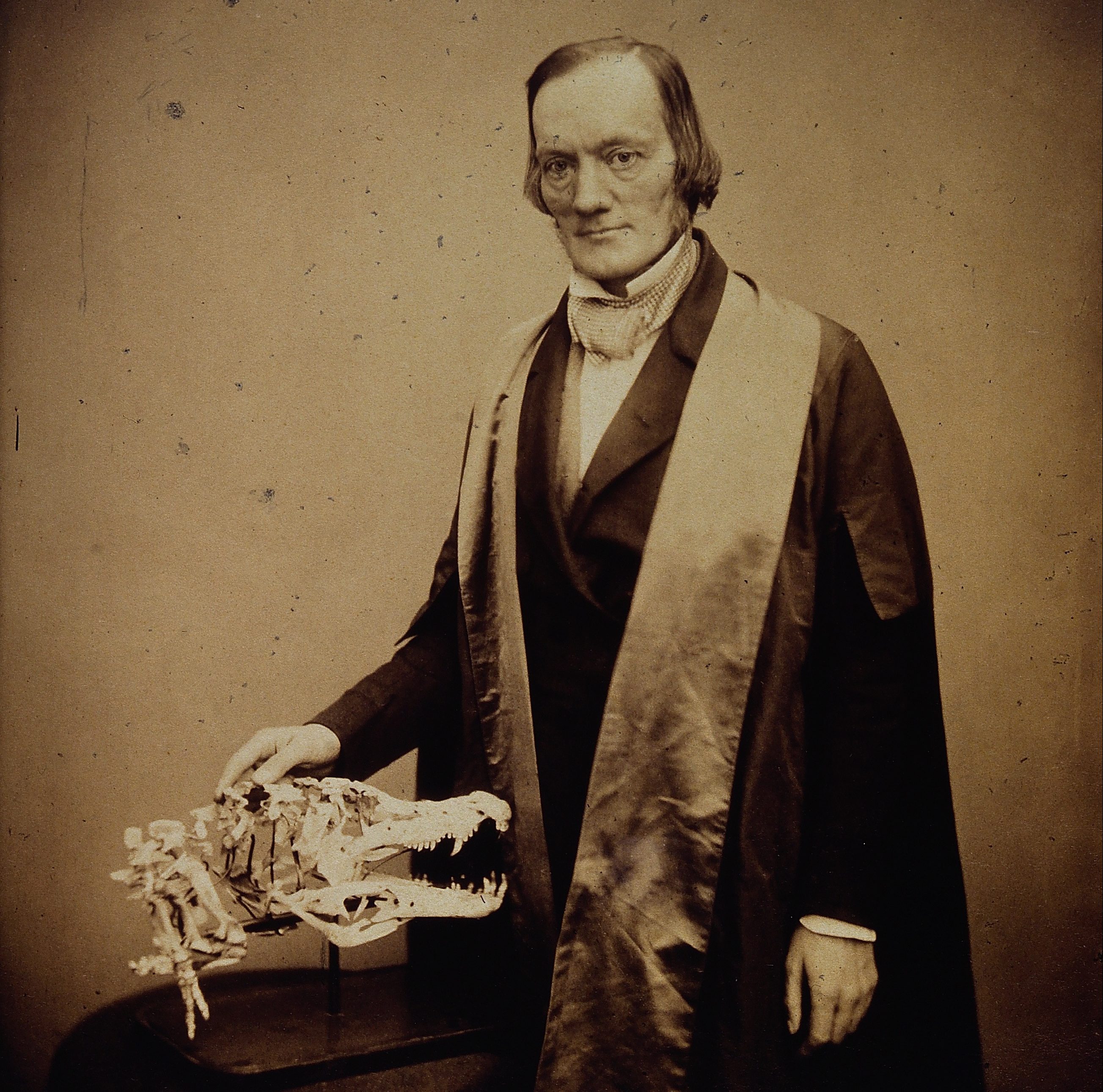
Sir Richard Owen. Photograph by Maull & Polyblank. Credit: Wellcome Library, London. Copyrighted work available under Creative Commons Attribution only licence CC BY 4.0 http://creativecommons.org/licenses/by/4.0/
Among Darwin’s foremost supporters were Thomas Henry Huxley, nicknamed “Darwin’s Bulldog” for his forcefulness, as well as botanists Joseph Hooker and Asa Gray, the latter considered to be one of the most important 19th-century scientists and a devout Christian. The Anglican priest Charles Kingsley, meanwhile, argued that evolution was compatible with faith.
The idea was also immensely controversial due to its challenge of biblical teachings about the world’s creation, humanity’s position within it, and for many, it even challenged the role of God as the creator of life. A number of church leaders saw the book as a challenge to the historical accuracy of the Bible, with Samuel Wilberforce, the Bishop of Oxford, criticizing it: “With Mr. Darwin’s ‘argument’ we may say in the outset that we shall have much and grave fault to find.” Charles Hodge, the leading Presbyterian theologian at Princeton Theological Seminary, wrote a short book titled “What Is Darwinism?” (1874) in which he concluded: “What is Darwinism? It is atheism.” Darwin was careful to mention humanity as little as possible in the book to avoid being quoted as directly contradicting church teachings. Instead, toward the end of the work, he merely says that “Light will be thrown on the origin of man and his history.“
The best-known clash took place at the Oxford evolution debate on June 30, 1860, where Bishop Wilberforce is said to have asked Huxley whether the apes were on his grandmother’s or grandfather’s side. Huxley’s reply is said to have been that he would much rather be descended from an ape than from a man who misused his gifts to obscure the truth. Historians now see the popular account of a decisive Huxley victory as partly legend.
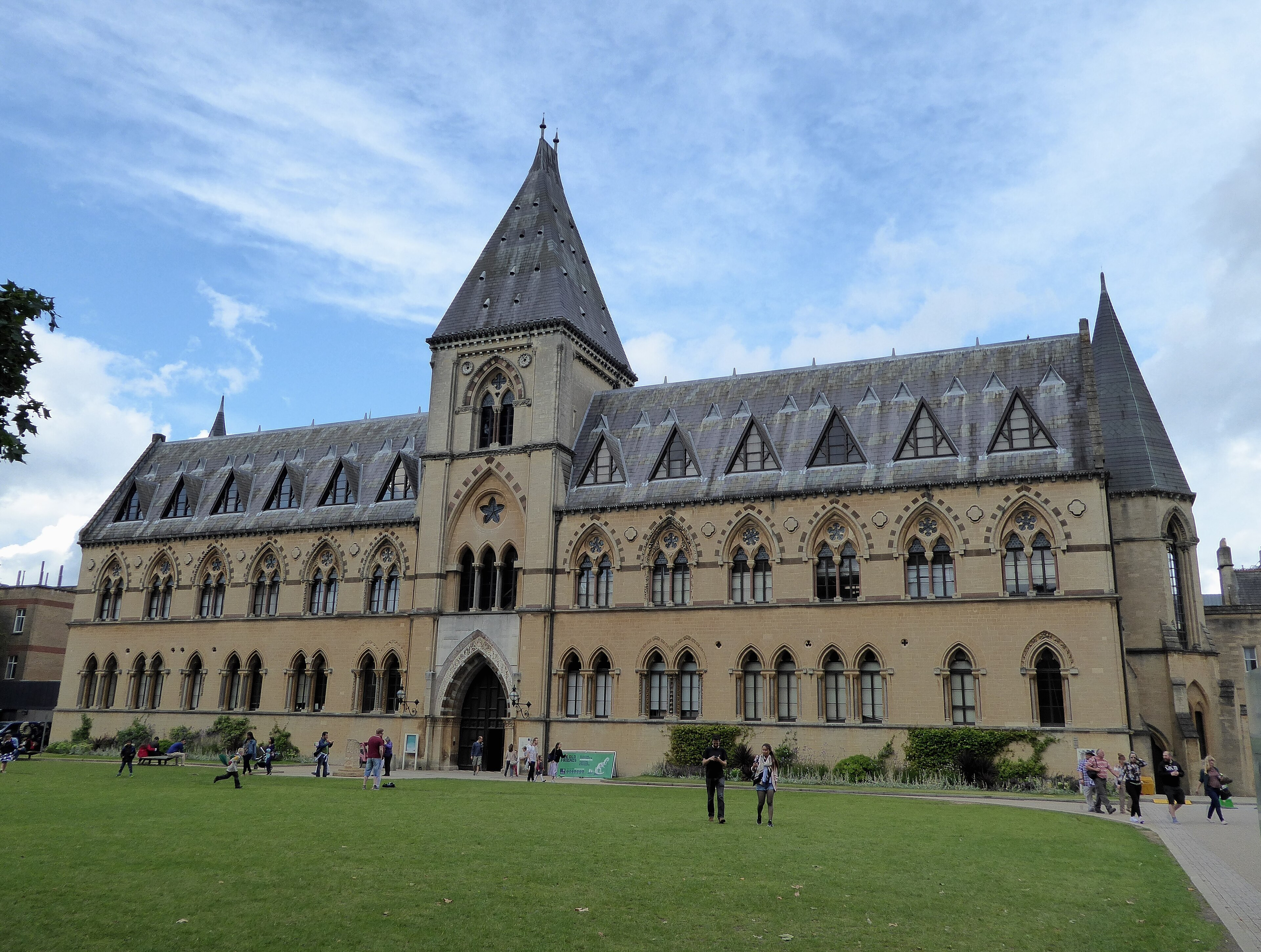
The debate took place in the Oxford University Museum of Natural History, pictured here. Photo taken on 23 July 2017. Credit: Ethan Doyle White, via Wikimedia Commons
A Global Book
“On the Origin of Species” quickly reached readers far beyond Britain. It was translated into 11 languages in Darwin’s lifetime and more than 35 to date, making it one of the most widely translated science works in history. It has also been published in more than 250 editions in English. More than 160 years later, the book remains the foundation of modern biology.