 Μake us preferred on Google
Natural disasters leave more than scorched forests, ruined crops and flooded homes in their wake. They also leave a heavy economic bill that lingers for years, slowing growth, draining state revenue and adding to public debt. Tourism and agriculture take the hardest hit, and compensation and relief for those affected carry a significant fiscal cost.
A new study by the Hellenic Parliamentary Budget Office sets out these effects. It is the first to examine the economic impact of extreme weather across 52 regions of Greece. It finds that a year of heatwaves and drought as severe as 2022 or 2023 cuts GDP by 0.32% over three years. It also lowers agricultural growth in every region by about 3 percentage points, and higher farm prices do not offset the damage. That amounts to €200–240 million in lost agricultural value added nationwide. Heatwave days have also risen sharply, from 2.7 a year in 2002–2006 to 28.7 in 2024. If a disaster year like 2023 were to recur every three years from 2027, public debt in 2038 would be 1 to 3 percentage points of GDP higher than projected in the Medium-Term Fiscal-Structural Plan.
The paper, by Marina-Eliza Spaliara, professor of economics at the University of Glasgow, and Yannis Tsoukalas, head of the Budget Office, shows that the impact varies by type of disaster.
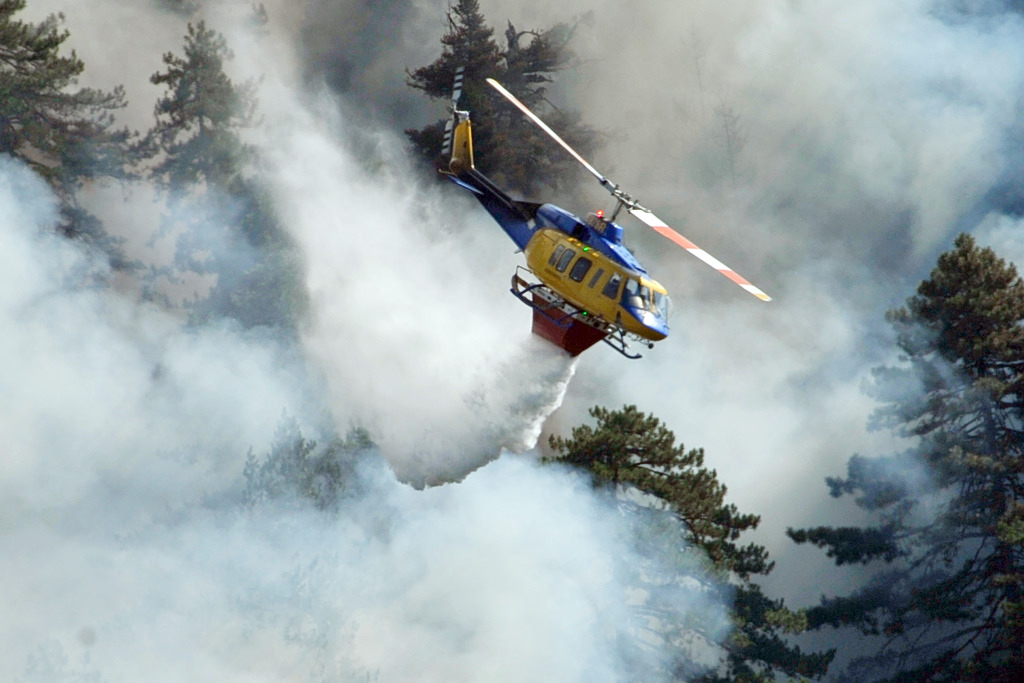
Wildfires hit tourism hardest in the following season. For every 1% of a region’s land that burns, growth in tourism services falls by 0.8 percentage points over three years. On Rhodes, the 2023 fire burned an area equal to 6.9% of the Dodecanese. Estimated losses in tourism services there reach about €73 million a year by the third year.
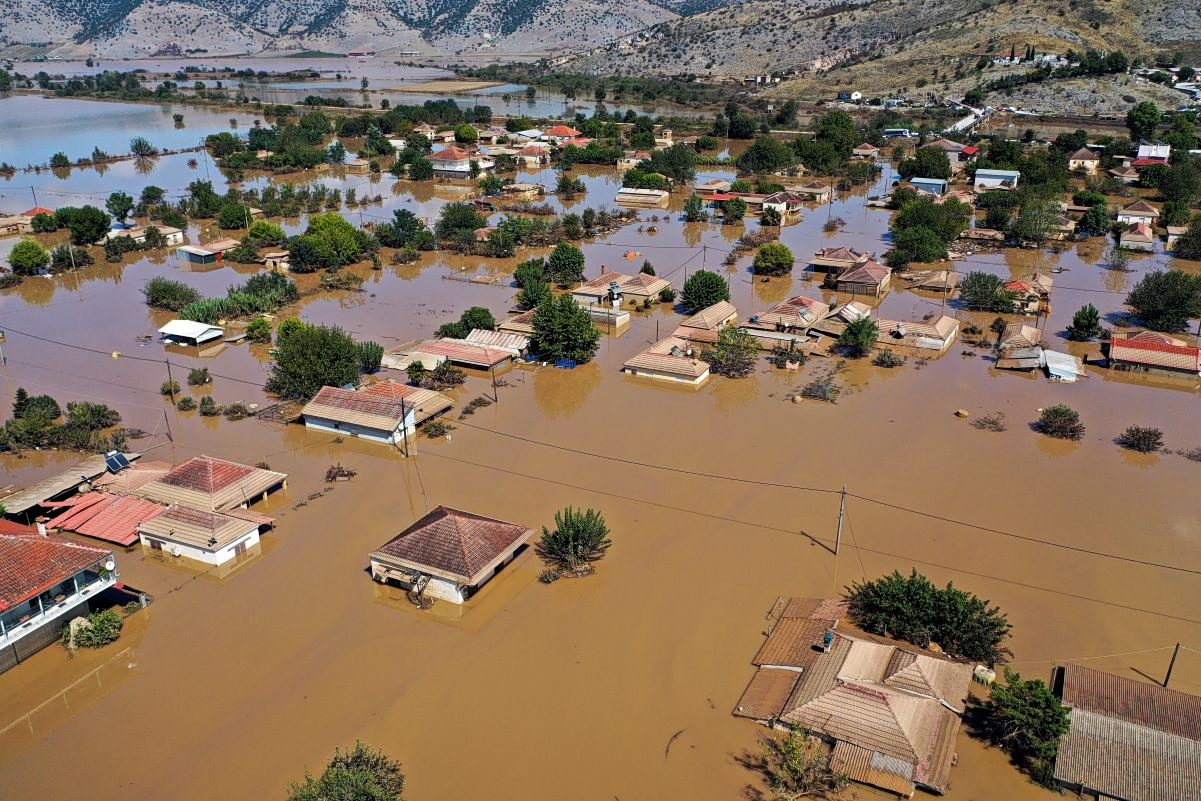
Floods follow a different pattern. Even Storm Daniel, which caused more than €2 billion in damage in Thessaly, had no clear effect on the region’s growth rate. Disasters still put a heavy burden on the budget, though. In a year like 2023, lost fiscal revenue is estimated at €400 million, while compensation and support measures cost €745 million.
Only 14% of Greek households are insured against natural disasters. The Budget Office makes five proposals:
1. Create a multiyear disaster fund that builds up unspent money from the annual €600 million allocation.
2. Include the fiscal cost of disasters in the budget and the Medium-Term Plan.
3. Expand home insurance through a public-private partnership, with a state guarantee up to a set limit.
4. Spend more on prevention, including flood defenses, irrigation, water supply and fire protection.
5. Extend support for tourism businesses into the season after a fire, when losses are largest.
The study notes that extreme weather now strikes Greece almost every year. The key question, it says, is no longer whether another disaster will happen, but whether the state budget will be ready to handle the aftermath.