 Μake us preferred on Google
Greek authorities are investigating a criminal organization linked to the Horiatiko bakery chain, with a case file exceeding 850 pages detailing suspected tax offenses, money laundering, surveillance measures and violent robberies targeting tourists in Athens.
Angelos Giannakopoulos, the businessman at the center of the investigation, is accused of leading a network that operated through shell companies, used intermediaries to conceal financial liabilities and moved millions of euros abroad. The case also includes allegations of sexual exploitation of women and the activities of groups providing private security and intimidation services.
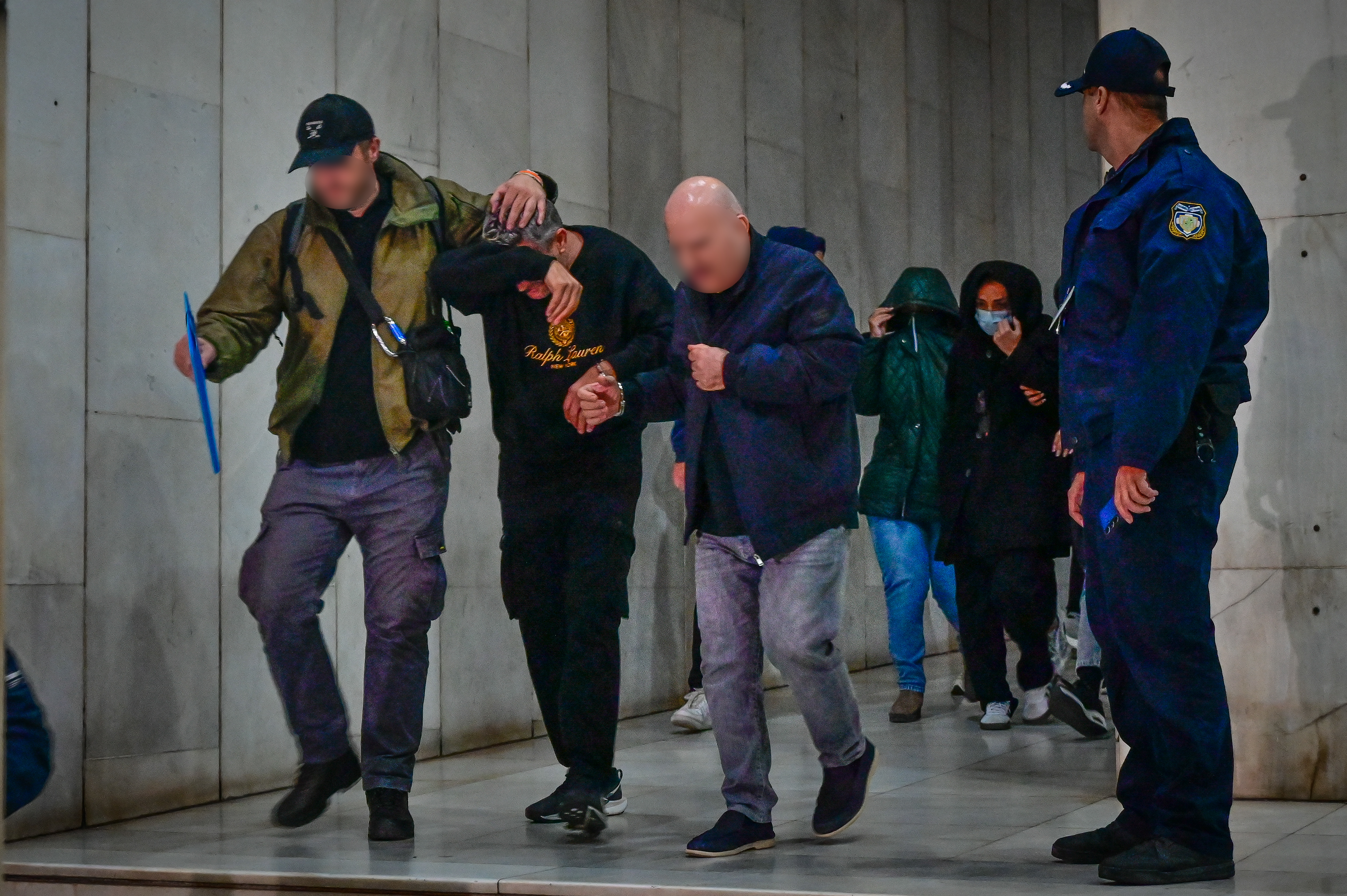
The 149 defendants face various charges, including participation in a criminal organization, tax evasion and failure to pay debts and social security contributions.
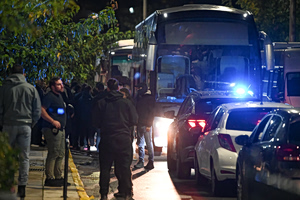
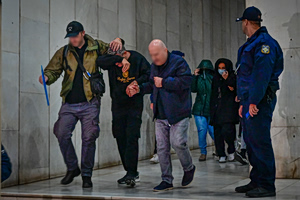
Court appearances are scheduled in groups on Thursday and Friday. Giannakopoulos, referred to in the Greek press as “Mr. Horiatiko,” is due to testify at 6 p.m. Thursday, October 29.
Tourists threatened and forced to hand over bank cards
One of the most serious allegations concerns an incident at a strip club on Syngrou Avenue in Athens, which is owned by Giannakopoulos.
According to a report by Greek broadcaster MEGA, an American tourist and two friends visited the club on June 8, 2026. After ordering three drinks, they asked for the bill and were told they owed €250.
When the tourists objected to the amount, five club security guards became involved and threatened them. An employee then reportedly took their bank cards by force and compelled them to disclose their personal identification numbers, or PINs.
The cards were used to withdraw a total of €1,200 through the club’s payment terminal before the tourists’ bank accounts were blocked.
One of the men also reported that his gold watch, wallet and personal documents had been taken. The incident was subsequently reported to the Acropolis police department responsible for investigating and solving crimes.
Portable detector allegedly used to search for surveillance devices
Investigators also describe measures Giannakopoulos took to avoid being monitored.
According to the case file, he used coded language during conversations, communicated through numerous phone numbers and adopted aliases including “Zois,” “Fanis” and “Nektarios.”
He also reportedly used a portable detector to search offices and vehicles for concealed cameras and microphones that might have been installed by police. The device was used to scan locations for possible surveillance equipment, according to the report.
Shell companies and millions in cash withdrawals
The financial investigation describes a system in which companies were shut down after accumulating debts and replaced by new businesses operating from the same premises. Legal and financial liabilities were reportedly transferred to nominal owners, some of whom did not even exist.
The daughter of an 80-year-old accountant involved in the case said company registration documents and details for new businesses were sent to her father’s accounting office. The companies were based in Attica, Mykonos, Rhodes and Larissa, she said, and were coordinated through Giannakopoulos’ central office on Kifissos Avenue in Athens.
Financial investigators identified 4,441 cash withdrawals totaling nearly €20 million between 2020 and 2026 involving businesses that operated on Mykonos, according to the case file.
During the same period, strip clubs in Attica and Mykonos made 11,790 cash withdrawals totaling nearly €25 million.
Money laundering through foreign companies
Investigators also traced suspected transfers of large sums abroad, particularly to Bulgaria, Ireland and Denmark. The funds were used in part to purchase real estate, including a luxury plot of land valued at €2.6 million in the Tagoo area of Mykonos.
Conversations involving accountants reportedly revealed a scheme in which fictitious companies in Dubai issued invoices to Greek businesses belonging to the group through an intermediary who allegedly received a 10% commission.
Under the alleged arrangement, money was transferred abroad by bank wire, withdrawn in cash and then returned to Greece as cash presented as legitimate funds.
The allegations form part of the extensive case file now being examined by authorities as the defendants prepare to give their accounts.