 Μake us preferred on Google
 The Greek island of Lesbos is facing escalating disruption after new cases of foot-and-mouth disease were confirmed, prompting emergency measures, livestock culling and growing unrest among farmers.
Authorities in Greece have confirmed new cases of Foot-and-mouth disease on the island of Lesvos, raising concerns over the spread of the highly contagious livestock virus.
According to the Ministry of Rural Development and Food, three additional cases have been detected across five farms involving sheep and cattle in the Mytilene area. This brings the total number of confirmed cases to five across seven farms.
Emergency measures enforced
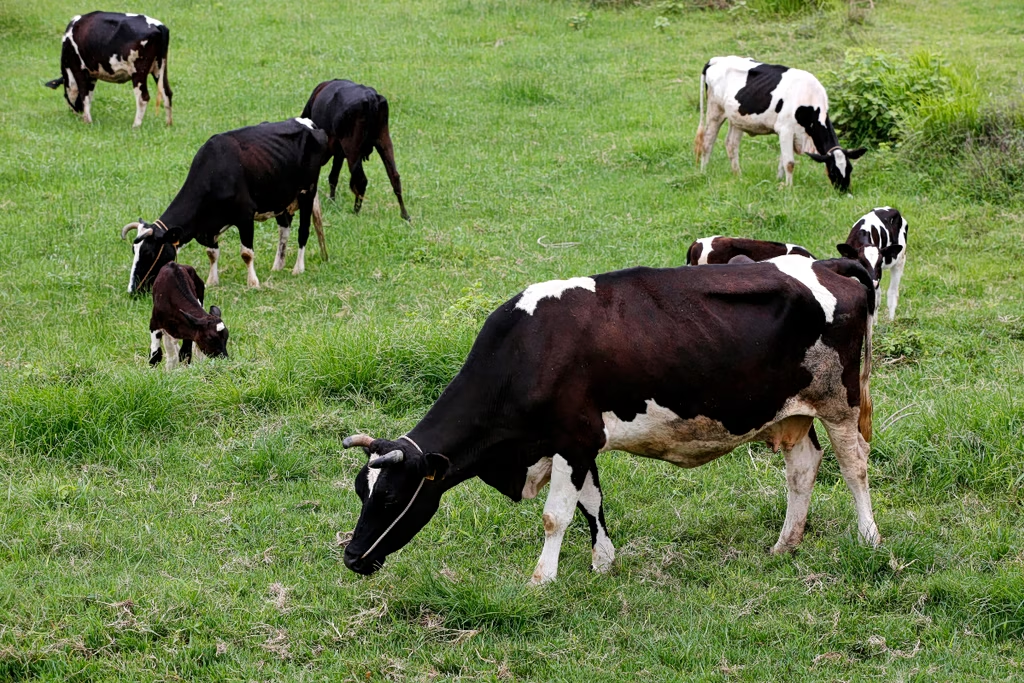
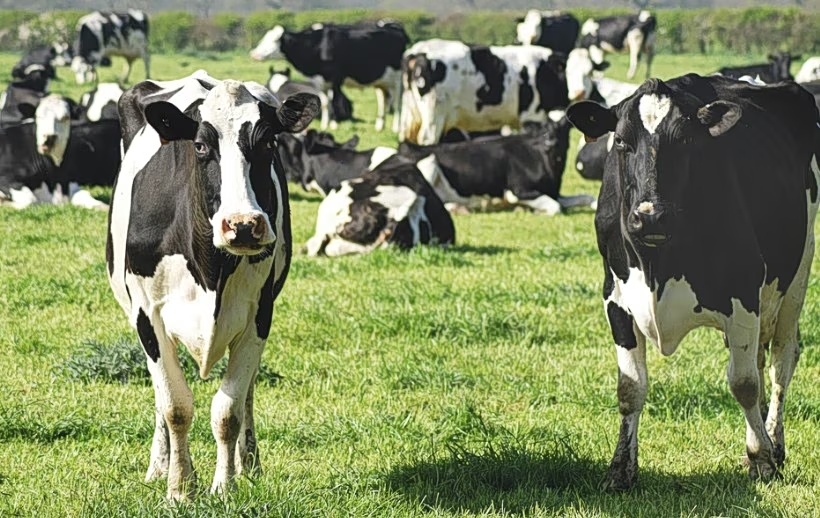
Following laboratory confirmation, authorities ordered the immediate culling of all animals in affected farms to prevent further transmission, in line with European regulations. Under strict health protocols, approximately 700 sheep and 25 cattle are set to be culled to contain the outbreak. Veterinary teams are carrying out extensive inspections and sampling within a 10-kilometer surveillance zone to assess the extent of the spread
Strict biosecurity measures have also been implemented, including:
- Full disinfection of facilities, equipment, and transport vehicles
- Destruction or controlled processing of potentially contaminated products such as meat, milk, and animal by-products
- Continuous veterinary inspections of nearby farms
Movement restrictions and control zone
A protection zone with a radius of three kilometers has been established around infected farms. Within this area, strict restrictions are in place:
- Ban on transporting animals for slaughter
- Prohibition of animal movement between farms
- Suspension of livestock markets, fairs, and gatherings
- Restrictions on breeding activities, including artificial insemination
Products such as meat and dairy originating from the zone may only be distributed locally under strict conditions and with official authorization.
Protests and economic strain
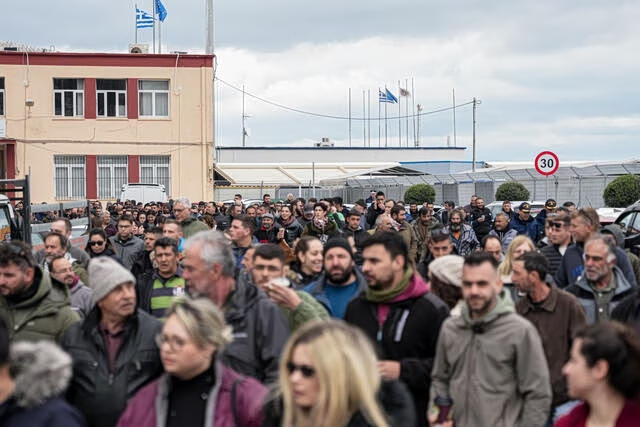
Despite the announcements, tensions remain high. Hundreds of farmers have staged protests, blocking access to government offices and demanding immediate solutions as their livelihoods come under threat.
Producers say they are struggling with unsold milk, rising feed costs and mounting debts, as the outbreak effectively freezes the local market.
Local officials acknowledged the scale of the challenge, noting that large quantities of milk cannot currently be processed or sold, adding to the financial pressure on the agricultural community.