
 Μake us preferred on Google
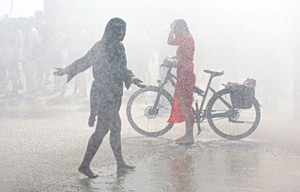
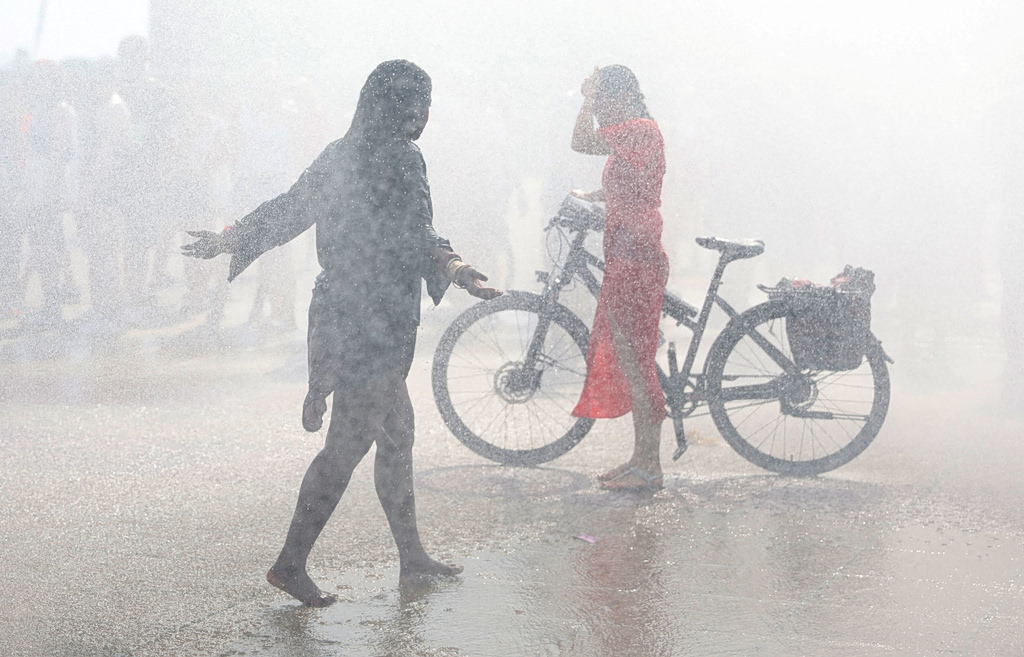
 Heat, and the heatwaves that come with it, is no longer just a summertime nuisance for Europe. It is becoming a key factor shaping economic growth prospects.
A recent Allianz Trade report argues that once temperatures exceed around 30 degrees Celsius, productivity losses accelerate sharply and become a structural drag on economic output rather than a temporary, weather-related disruption.
Specifically, above roughly 33 to 34 degrees Celsius, the body begins to tire. Workers slow down, take more breaks, or stop altogether. The economic blow hits on multiple fronts at once: lost hours reduce output, heat-related illness drives up sick leave and healthcare costs, and energy bills rise as cooling demands grow harder to meet.
The International Labour Organization estimates that by 2030, heat stress could wipe out the equivalent of 80 million full-time jobs globally and roughly 2.4 trillion dollars in output, with agriculture bearing about 60 percent of the lost working hours.
Europe’s Economic Losses from Heat
The precise GDP cost per hot day is difficult to pin down and varies considerably across studies and countries.
The burden is unequal. Southern Europe, including Italy, Spain, Greece, and Portugal, combines the highest temperatures with the largest shares of outdoor and manual labor. Mediterranean agriculture, construction, and tourism all depend on people working outside in summer, precisely when demand peaks.
Skilled agricultural workers are by far the most exposed, with 72 percent reporting that they work in high temperatures for at least a quarter of their working time, according to Eurofound.
Northern and Central Europe is not spared either. Uncooled factories, warehouses, and construction sites across Germany, France, and Poland lose productivity during increasingly frequent periods above 35 degrees Celsius in cities like Paris and Berlin, as this year’s prolonged heatwave has demonstrated.
In concrete terms, one in five workers across the European Union is exposed to high temperatures on the job, making extreme heat one of the fastest-growing occupational hazards linked to climate change, according to the European Agency for Safety and Health at Work (EU-OSHA). Those most at risk are people working outdoors or in hot indoor environments.
Agriculture, construction, transportation, manufacturing, emergency services, and tourism are among the sectors suffering the greatest health and productivity impacts during increasingly frequent heatwaves.
Agriculture on the Front Line
Agriculture is consistently identified as the sector most exposed to extreme heat. The International Labour Organization notes that farmworkers face prolonged exposure to direct sunlight while performing physically demanding tasks that raise their body temperature even further.
The sector remains particularly vulnerable because crops and livestock are directly exposed to prolonged heat and drought, increasing the risk of lower yields and higher food prices.
According to Eurostat, agriculture accounted for 1.2 percent of EU GDP in 2024, though its importance varies significantly across member states, reaching over 3 percent of GDP in Greece and 2.5 percent in Romania.
How Can Workers Be Protected?
The latest heatwave has renewed pressure for stronger worker protections across Europe. Several countries have tightened or activated measures addressing heat at work, including restricting outdoor labor during the hottest hours of the day, shortening shifts, and requiring employers to provide water, shade, and additional rest breaks.
This week, the European Trade Union Confederation called on the European Commission to introduce binding EU-wide rules on heat exposure at work, including a maximum working temperature, mandatory paid cooling breaks, and guaranteed access to drinking water. The confederation argued that the current patchwork of national rules leaves many workers inadequately protected.