 Μake us preferred on Google
 Passengers in a car in the south-central coastal town of Nafpaktos became concerned when the driver suddenly realized the steering wheel was no longer responding properly and the vehicle had become difficult to control.
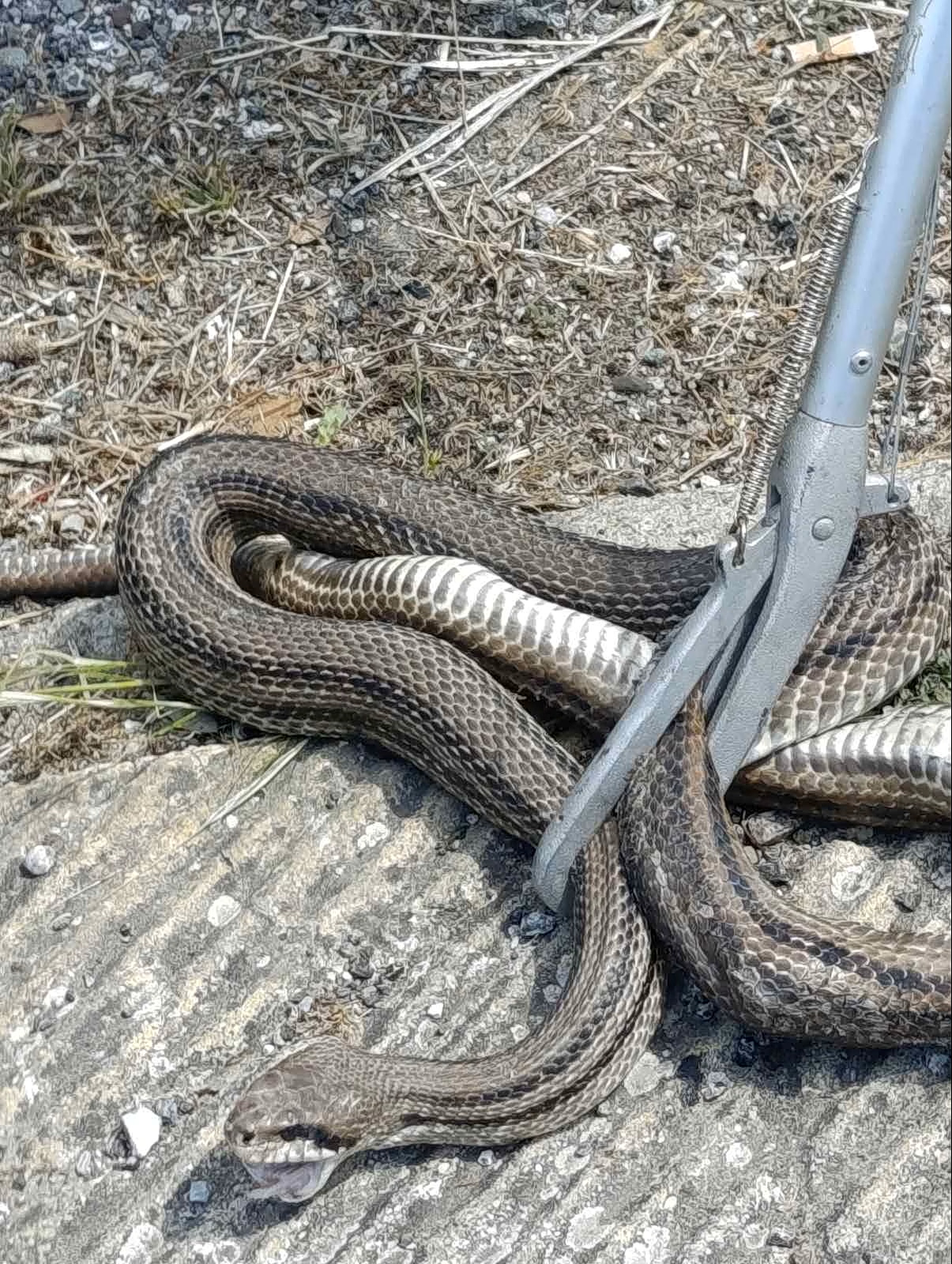
The driver immediately pulled over and opened the hood to inspect the engine and steering system, only to discover a large snake wrapped around the engine belts, causing a mechanical blockage.
According to local media reports, the reptile then lunged at them, triggering a further shock effect.
Firefighters were called and managed to remove the snake safely. The reptile was later released back into its natural habitat, while the car was taken to a repair shop for an inspection.
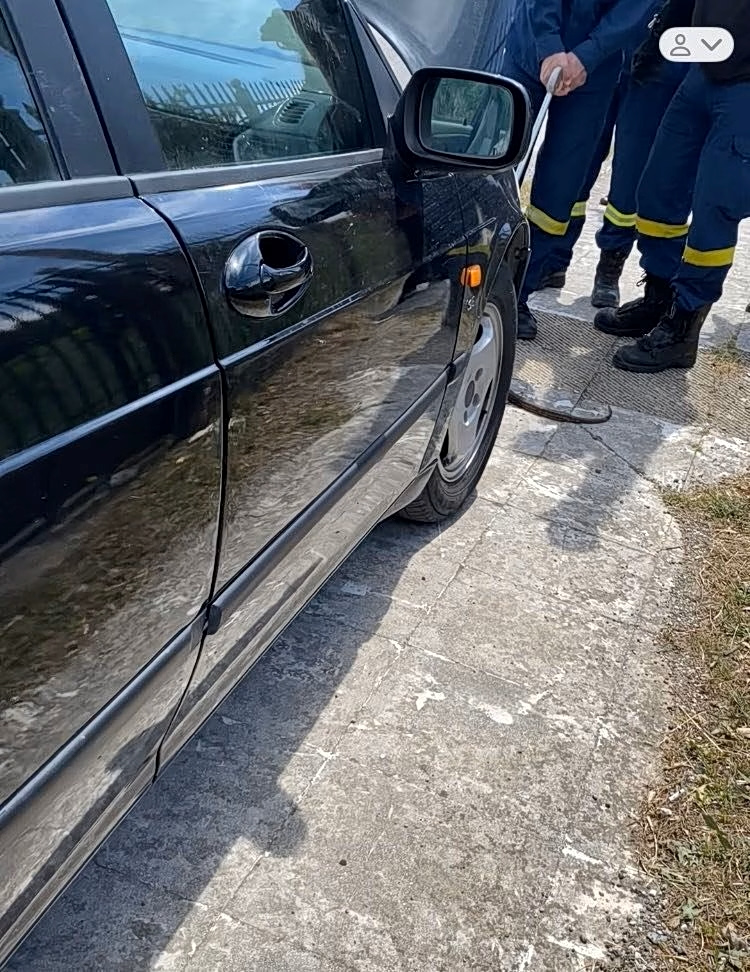
Photo by agriniosite.gr
The incident adds to a growing number of snake-related encounters reported across the east Mediterranean country over the past year, particularly during the warmer months. Recent cases included a large snake found in a schoolyard in Athens, another discovered beneath a seat at an outdoor theater in the capital, and several sightings in residential areas of Evia and Thessaloniki. Experts have repeatedly warned that rising temperatures often drive snakes closer to homes, vehicles and urban areas in search of shade and food.
The most venomous snake that is endemic to Greece is the Milos viper, meaning it is found naturally nowhere else in the world. It mainly inhabits the islands of Milos, Kimolos, Polyaigos and nearby islets in the Cyclades.
Most snake species in Greece are non-venomous and avoid humans. Even venomous vipers generally strike only when threatened or accidentally stepped on.