 Μake us preferred on Google
 Health authorities are urging vigilance—but not alarm—following the confirmation of a West Nile virus case in the southern Athens suburb of Glyfada.
Speaking to local broadcaster MEGA, Matina Pagoni, vice president of the Federation of Hospital Doctors of Greece (OENGE), said the virus has been known for many years and emphasized that 85% to 90% of infections cause no symptoms.
How the Virus Spreads
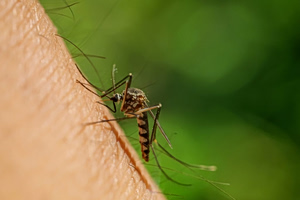
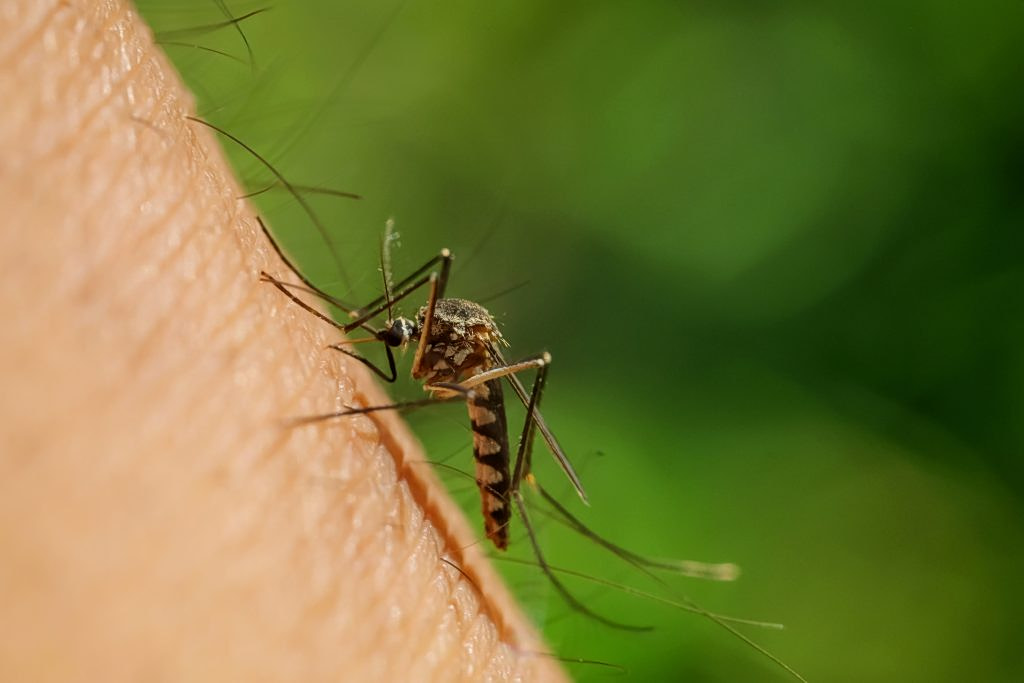
According to Pagoni, the West Nile virus is transmitted only through mosquito bites and cannot be passed from person to person.
She said older adults with underlying health conditions and young children are the groups that should take the greatest care.
Symptoms to Watch For
In adults, symptoms can range from mild headaches and muscle or joint pain to high fever accompanied by vomiting and diarrhea.
Anyone experiencing these symptoms is advised to contact a doctor or seek medical attention at a healthcare facility.
For young children, medical advice should be sought promptly, as they may struggle to stay adequately hydrated if symptoms develop.
Preventive Measures
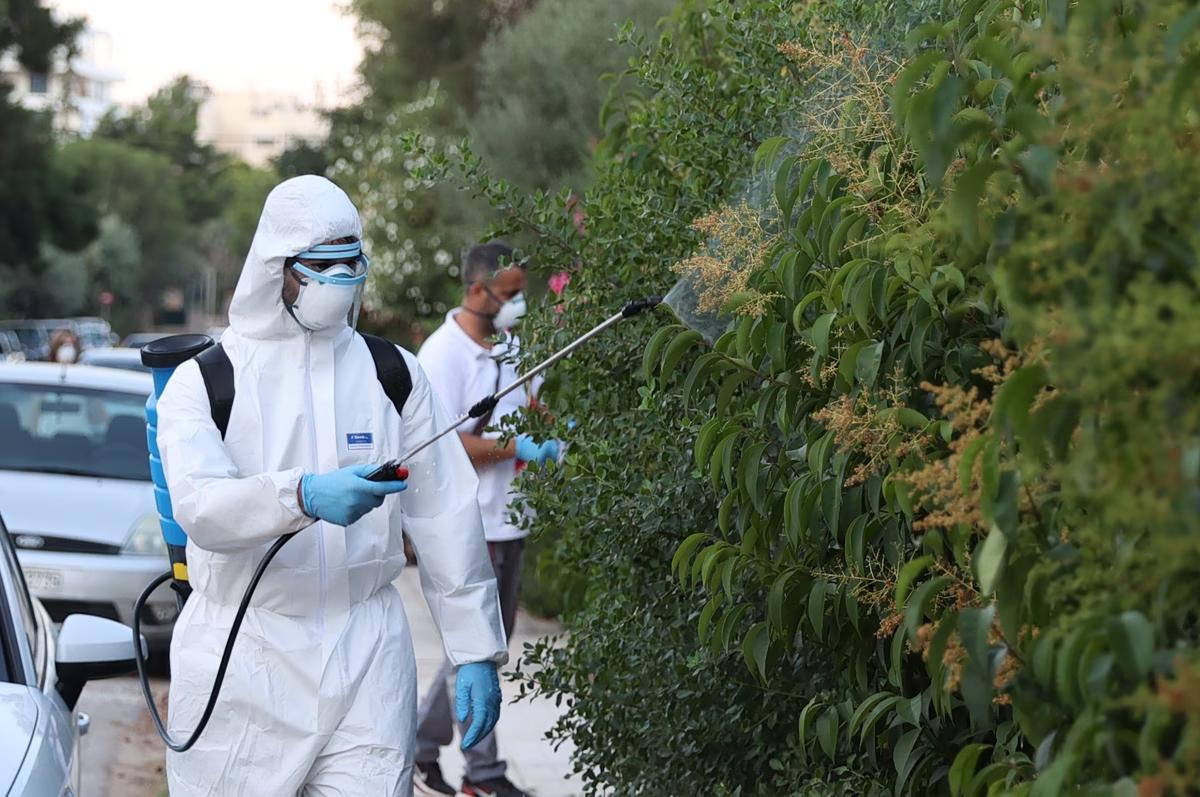
Following the confirmed case, local authorities carried out mosquito-control spraying in parts of Glyfada as a precautionary measure.
The operations took place in areas surrounding the location where the case was identified and were conducted in cooperation with public health authorities and the local municipality.
Officials stressed that the spraying was purely preventive and forms part of efforts to reduce the risk of further mosquito-borne transmission.