 Μake us preferred on Google
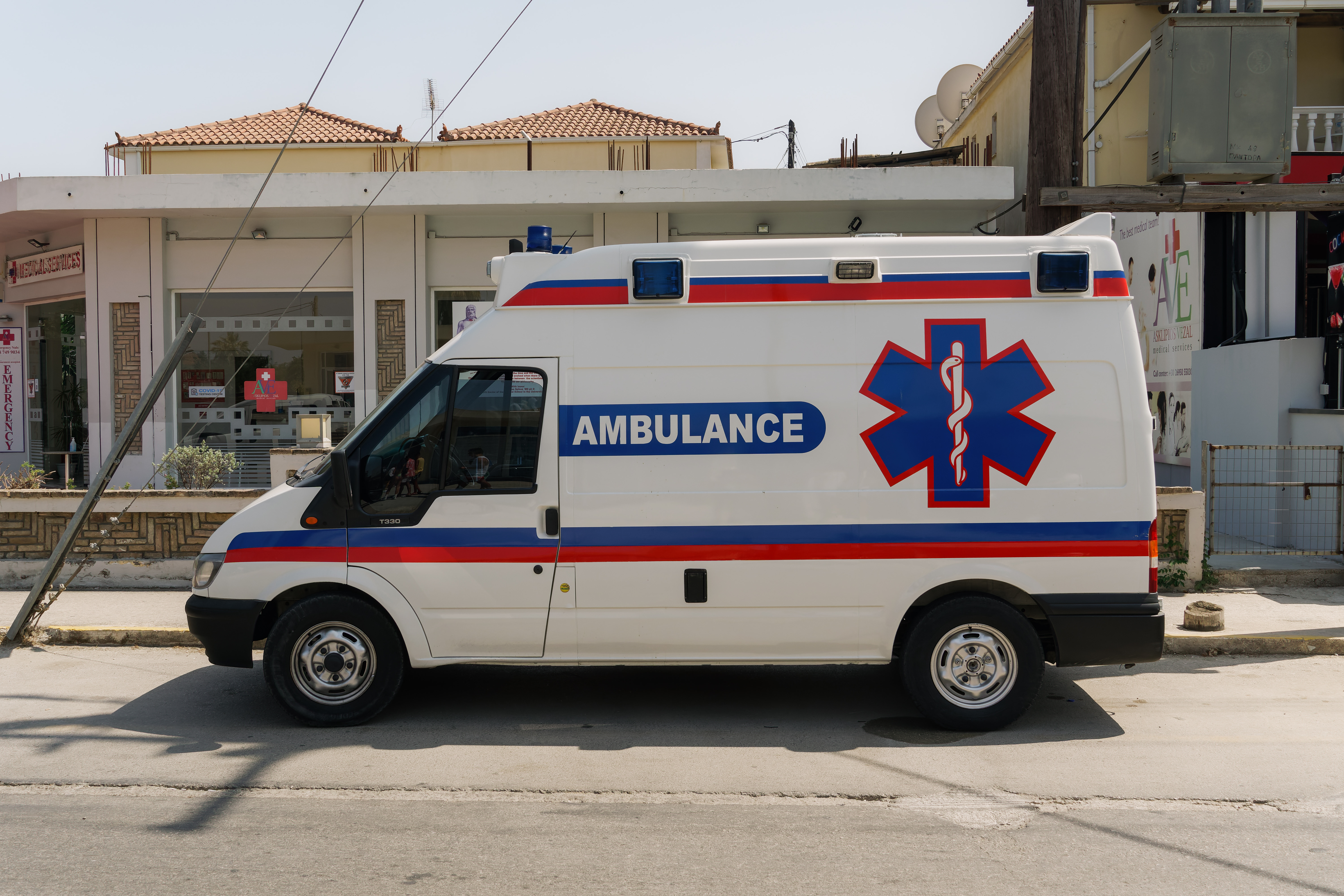
 The General Hospital of Zakynthos is facing significant pressure during the current tourist season, with the Panhellenic Federation of Public Hospital Workers (POEDHN) warning of unprecedented strain on emergency departments and severe exhaustion among medical staff.
According to POEDHN President Michalis Giannakos, more than 200 patients arrive at the hospital’s Emergency Department every day, with around 80% of them being tourists, mainly from the Laganas area.
The reported cases primarily involve injuries from quad bike accidents, acute alcohol intoxication, and other emergency incidents linked to the island’s increased tourist activity.
Eight Reported Rape Cases Since June 15
POEDHN also raised concerns over an increase in cases involving female tourists who arrived at the hospital reporting that they had been raped.
According to the federation, from June 15 until now, eight female tourists have sought medical care following reported rapes, compared with around two similar cases during the same period last year.
The organization said that in all cases, the Hellenic Police and prosecutorial authorities were immediately notified, while the required forensic and gynecological examinations were carried out.
However, Giannakos said that no prosecutions were initiated because the women reportedly refused to identify the alleged perpetrators and did not file formal complaints.
POEDHN also stated that, a few days ago, an Italian tourist required specialized medical treatment for injuries that she said were caused following a rape.
Hospital Workload Compared to Major Athens Facilities
Giannakos compared the workload of Zakynthos Hospital with that of major hospitals in the Athens area, saying that while a large hospital in the capital examines between 800 and 1,000 patients during a general on-call shift every four days, Zakynthos Hospital effectively operates on a daily emergency schedule, receiving around 200 cases every day.
Concluding his statement, the POEDHN president praised healthcare workers at island hospitals, emphasizing that they operate under particularly difficult conditions, facing serious staff shortages and increased demands during the tourism season.