 Μake us preferred on Google
 It sounds like a morbid hypothetical, the kind of dark humor shared over a late-night drink or after watching England crash out of yet another World Cup, when the pint begins to look increasingly appealing. But in the soot-stained wynds and lively public houses of 1828 Edinburgh, the answer was a terrifying, unequivocal yes. If you were poor, estranged from your family, or simply passing through the city, accepting a hospitable round of whisky from the wrong stranger could literally cost you your life and reduce your remains to a commodity for medical science.
In the early 19th century, Edinburgh was the beating heart of European medical enlightenment. Its anatomy schools were booming, drawing ambitious surgeons and students from across the globe. But this scientific golden age had a gruesome supply chain problem. British law dictated that only the corpses of executed murderers could be used for medical dissection. As the demand for bodies skyrocketed and the number of executions fell, a lucrative black market emerged. “Resurrection men” scoured the city’s graveyards, pulling freshly buried bodies from the earth to sell to anatomists.
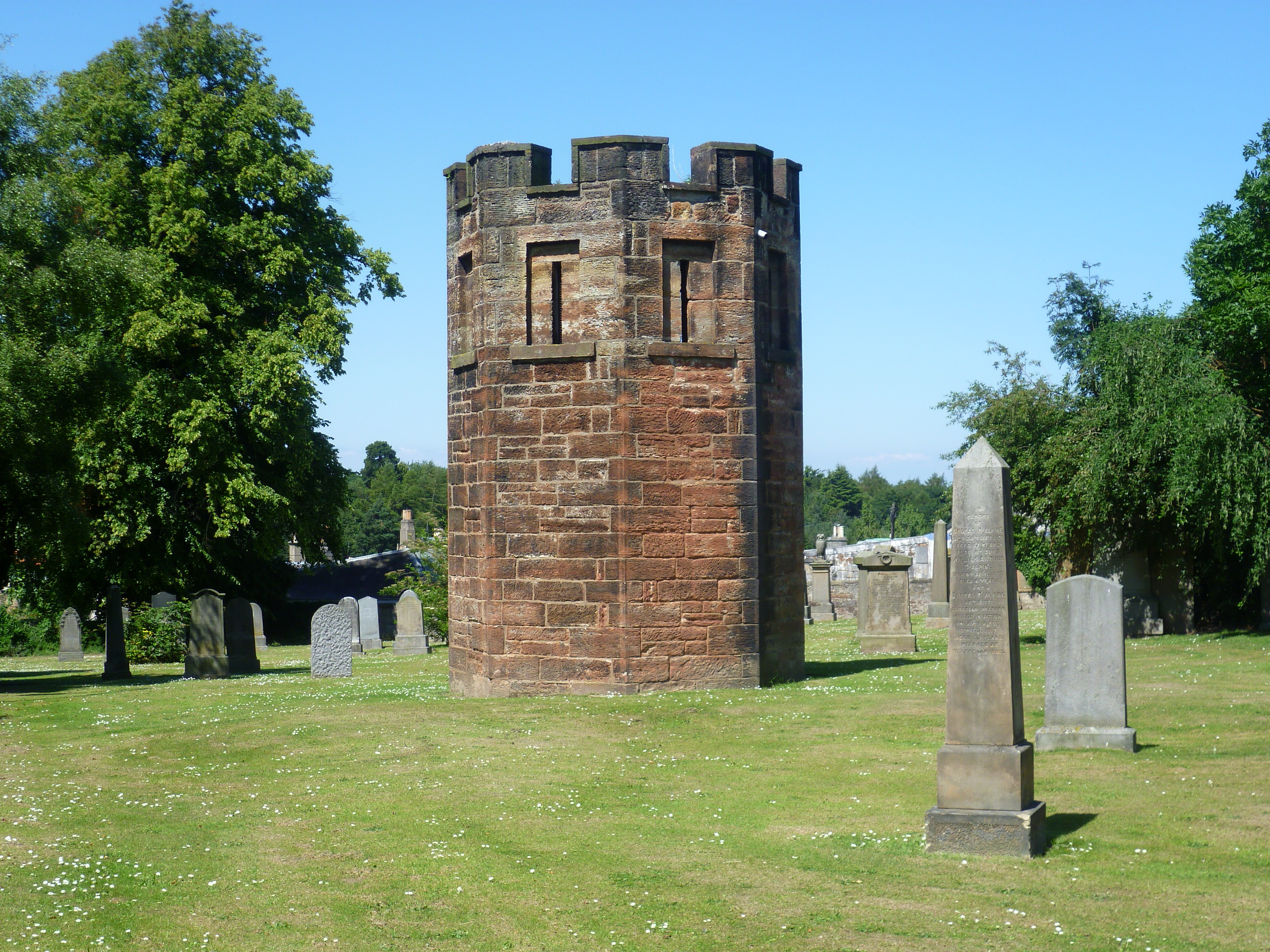
Graveyard watchtower, built in Dalkeith in 1827
William Burke and William Hare, two Irish laborers living in Edinburgh, recognized the profitability of this grisly trade. But they also saw the physical labor and legal risks involved in grave-robbing. They discovered a much more efficient business model: why wait for someone to die and be buried when you could simply create a corpse yourself? And where better to find victims who would not be immediately missed than at the bottom of a glass?
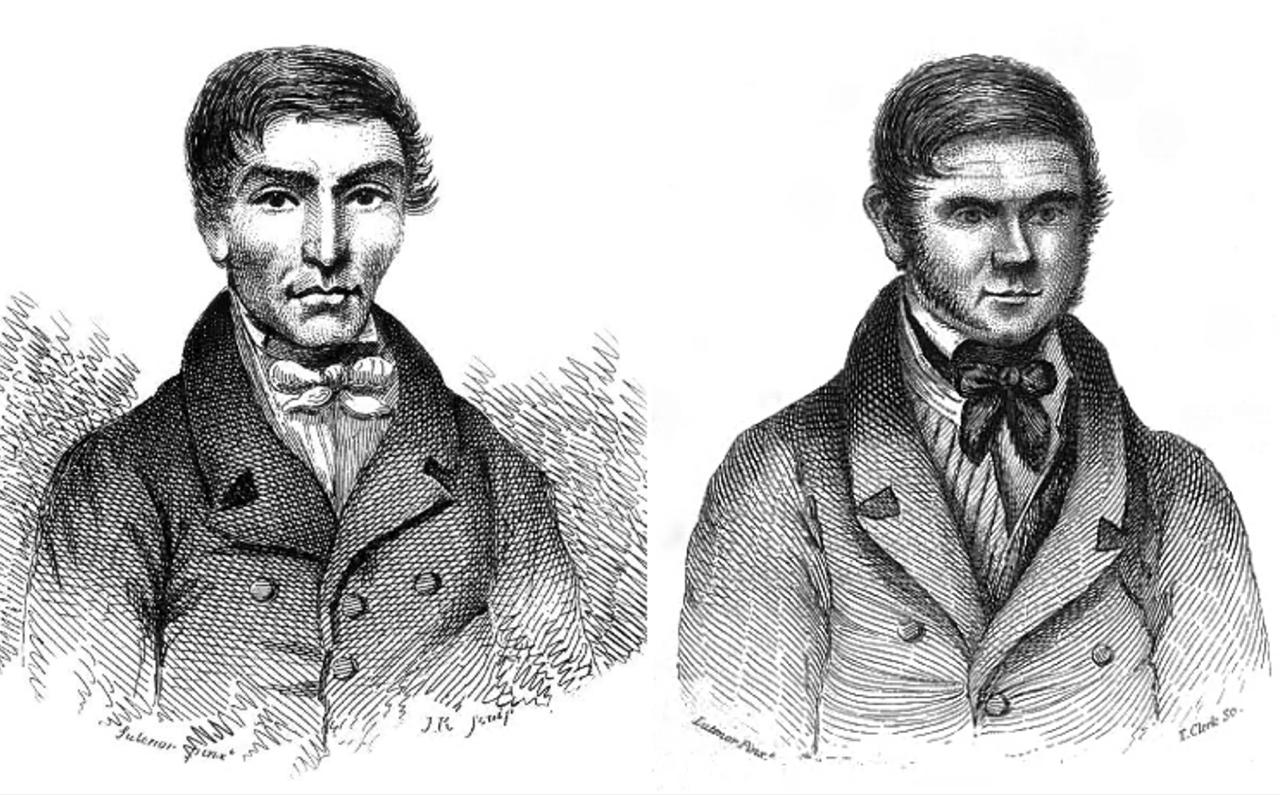
William Burke (left) as he appeared in the bar and William Hare (right) as he appeared in the witness box.
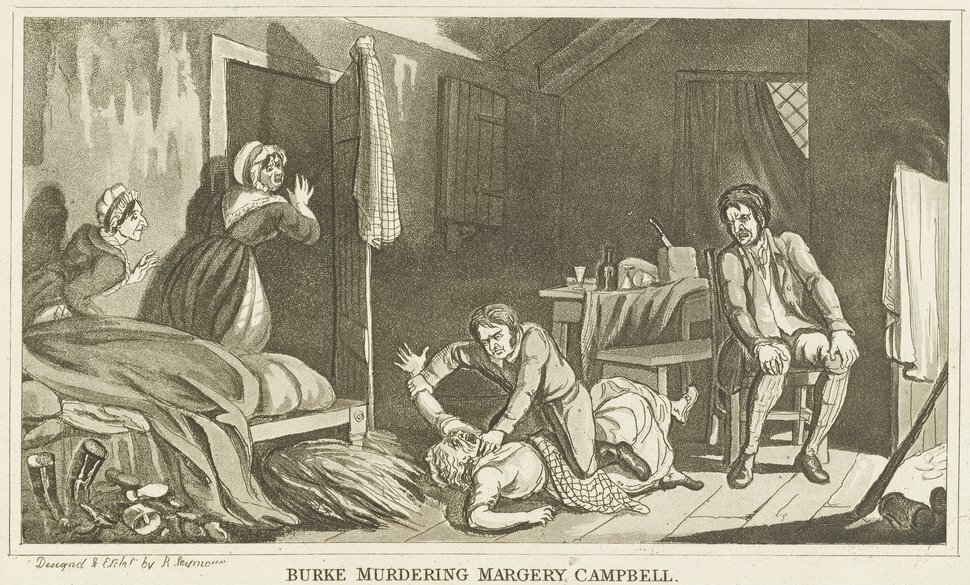
Burke and Hare did not stalk dark alleyways with knives, they weaponized hospitality. At Edinburgh’s White Hart Inn, they befriended society’s most vulnerable, buying them drink after drink before inviting them back to Hare’s lodging house in Tanner’s Close. There, the drinks would continue to flow until the guest passed out in a drunken stupor. Once the victim was unconscious, the men employed a flawless, bloodless method of execution. One man would sit on the victim’s chest, pinning their arms and compressing their ribs, while the other clamped a hand tightly over the victim’s nose and mouth. The technique, later known as “burking,” left almost no visible injuries, ensuring the body appeared fresh and undamaged for their principal customer, the anatomist Dr. Robert Knox.
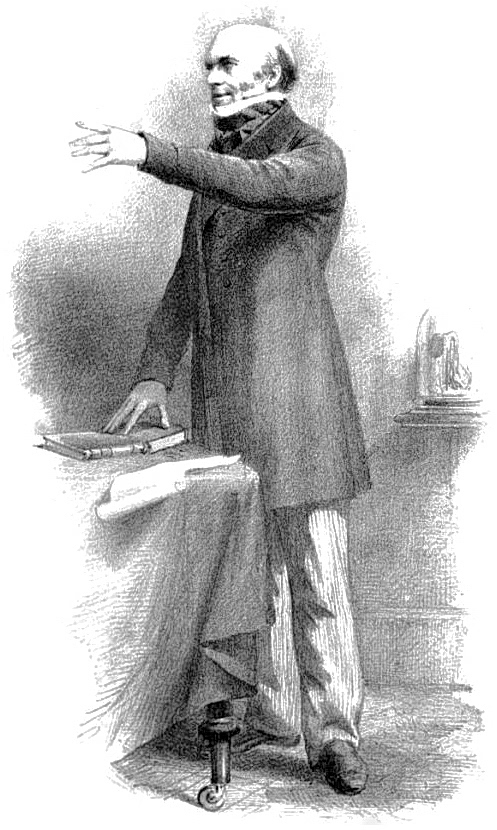
Over a terrifying ten-month period in 1828, sixteen people paid the ultimate price for accepting a drink from Burke and Hare. Their victims included recognizable locals like Mary Paterson, a young prostitute whose striking features on the dissection table briefly raised eyebrows, and “Daft Jamie,” a well-known street beggar with a physical deformity that made his body instantly identifiable. Dr. Knox, blinded by the steady supply of pristine anatomical specimens, asked few, if any, questions. For each body, he paid between £8 and £11, the equivalent of roughly £1,000 in today’s money.
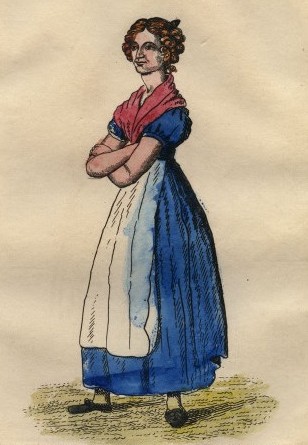
Mary Paterson
At first glance, that may not sound like a fortune. But consider it in the context of 1828. An unskilled laborer in Britain typically earned between 1 shilling and 1 shilling 6 pence a day. At those rates, a single £10 payment from Dr. Knox represented the equivalent of around 130 to 200 days’ wages—between four and six months of hard physical labor. For Burke and Hare, murder had become an extraordinarily profitable business.
Is that far from our modern reality?
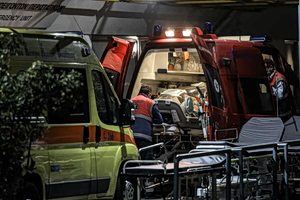
Modern organ traffickers use the exact same predatory logic. Today’s illicit body brokers exploit systemic poverty, targeting undocumented immigrants, refugees, and those living in extreme destitution. Predators consistently seek out victims who lack a safety net and whose disappearance or exploitation might be ignored by authorities. And for all of these as like Dr. Knox they offer a good price. “How much I hear you ask?”
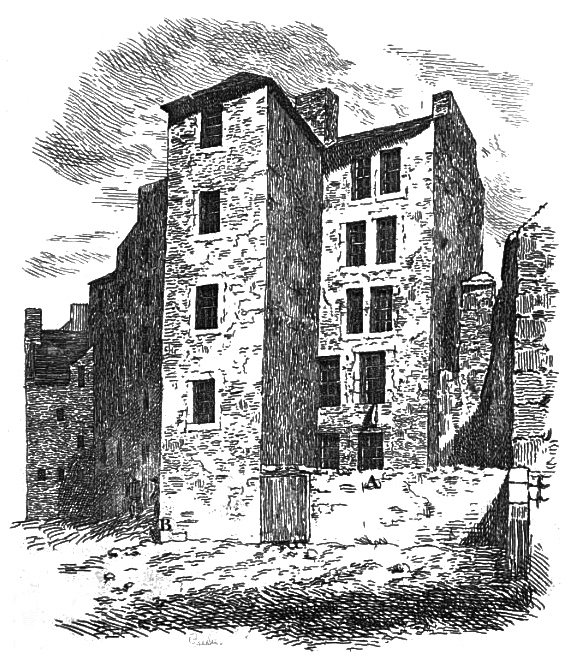
Burke’s House
According to reports by Global Financial Integrity (GFI) and data cited by the UNODC, the illegal organ trade generates up to $1.7 billion annually. On the global black market, a kidney—the most commonly trafficked organ—ranges from $50,000 to $120,000. Yet, in a tragic modern echo of the 1828 murders, the vulnerable victims supplying these organs see almost none of this wealth or sometimes as little as £1,000.
Even more, the “Dr. Knox effect” does not stop there. Desperate patients and medical institutions often turn a blind eye to the origins of illicitly obtained organs or tissues, prioritizing the final product over the ethics of how it was sourced.
Back to our grim story, the pair’s downfall came when their final victim, Margaret Docherty, was discovered hidden beneath a bed in Burke’s lodgings by fellow tenants. To save his own neck, William Hare turned King’s evidence and testified against his partner. William Burke was found guilty, hanged in front of a massive crowd of 25,000 people, and, in a fitting twist of poetic justice, publicly dissected.
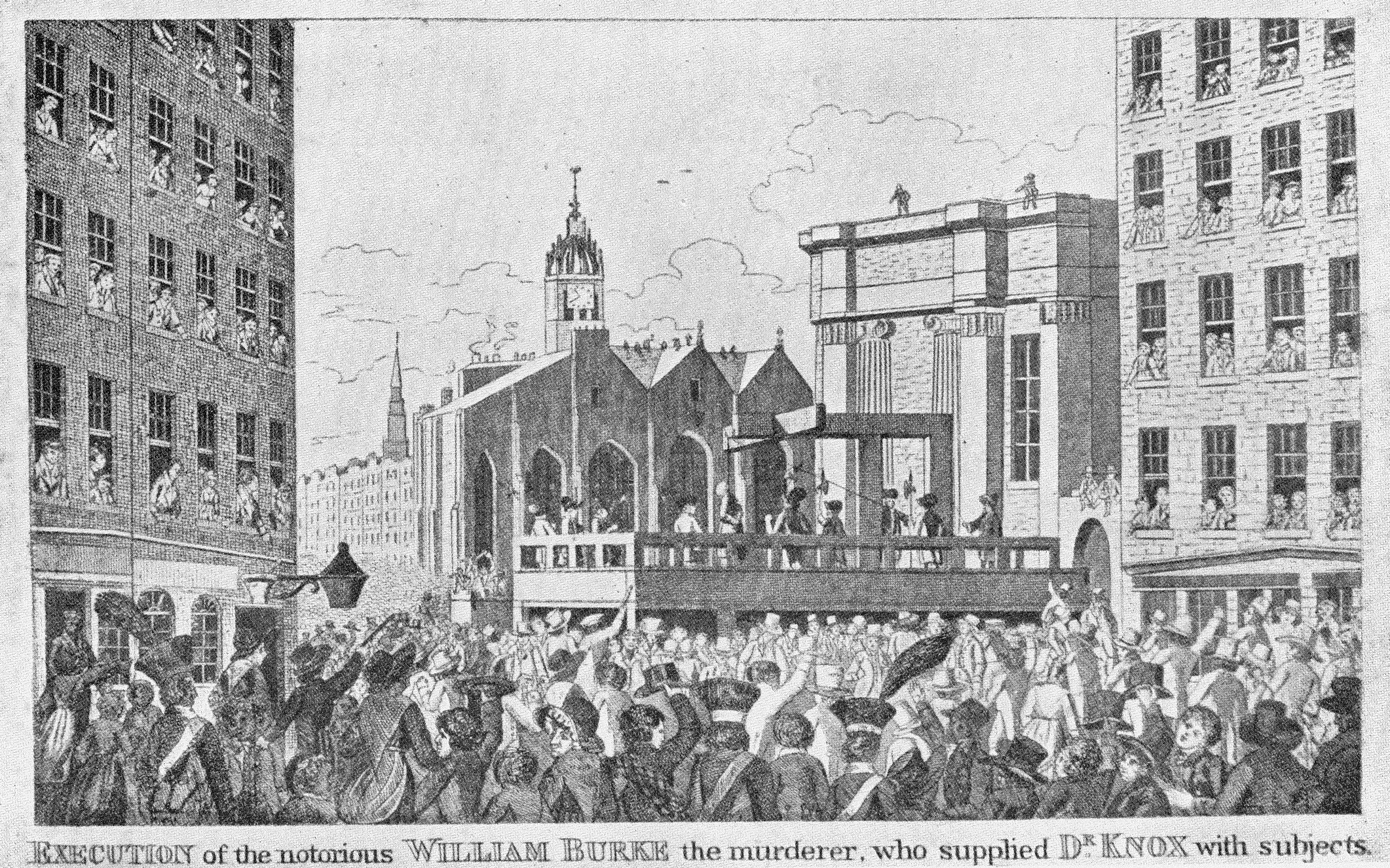
The public outrage that followed the Burke and Hare murders fundamentally changed British medical history, leading directly to the Anatomy Act of 1832. This legislation allowed doctors, teachers, and medical students to legally dissect donated bodies and unclaimed corpses, permanently crushing the black market that made “burking” profitable.
Today, the dark alleyways of Tanner’s Close are long gone, replaced by modern streets. But the chilling legacy of 1828 remains a testament that when ethical supply cannot meet demand, someone will always find a way to profit from human desperation.
Sometimes, a free pint can cost you absolutely everything.