 Μake us preferred on Google
The European Commission has formally set up PreparEU, a new high-level advisory group meant to strengthen Europe’s readiness for natural disasters, with a particular focus on wildfires and extreme weather. The group will give strategic advice to Commission President Ursula von der Leyen and Hadja Lahbib, the Commissioner for Equality, Preparedness and Crisis Management.
Von der Leyen first announced the group in her State of the Union speech on September 16, 2026. Presenting the initiative, she said that as climate change drives more extreme weather, Europe needs to think bigger and learn faster. That is why, she explained, the Commission is bringing together the continent’s most experienced firefighters and emergency responders, so their expertise can help make the EU better prepared, from stronger civil-military coordination to the equipment and capabilities it needs.
Who is on the panel
PreparEU has 17 members from across the EU. Eleven are senior officials with backgrounds in civil protection and crisis management, and six are scientists and academics specializing in areas such as risk assessment and wildfire management.
The senior experts include Vladimír Vlček, former head of Czechia’s Fire Rescue Service; Fabio Ciciliano, head of Italy’s Civil Protection Department; Julien Marion, France’s director general for civil protection and crisis management; Mikael Frisell, head of the Swedish Civil Defence and Resilience Agency; and Jacek Siewiera, Poland’s former national security adviser. Other members come from Romania, Spain, Estonia, Denmark, Germany, and Croatia.
The scientific advisers include Georgios Boustras of European University Cyprus, who holds a UNESCO Chair in disaster risk reduction; Caroline McMullan of Dublin City University, who designed Ireland’s national risk assessment method; Tiago Oliveira of the University of Lisbon; Cathelijne Stoof of Wageningen University; Tina Comes of the German Aerospace Center (DLR) and TU Delft; and Reinhard Mechler of IIASA.
The group’s secretariat will be based in Brussels and run by the Commission’s Directorate-General for European Civil Protection and Humanitarian Aid Operations (DG ECHO). Its first meeting is set for early November, and final recommendations are due by spring 2027.
A summer of record wildfires
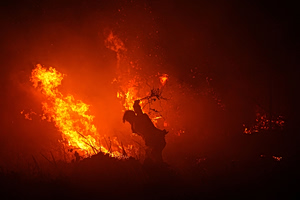
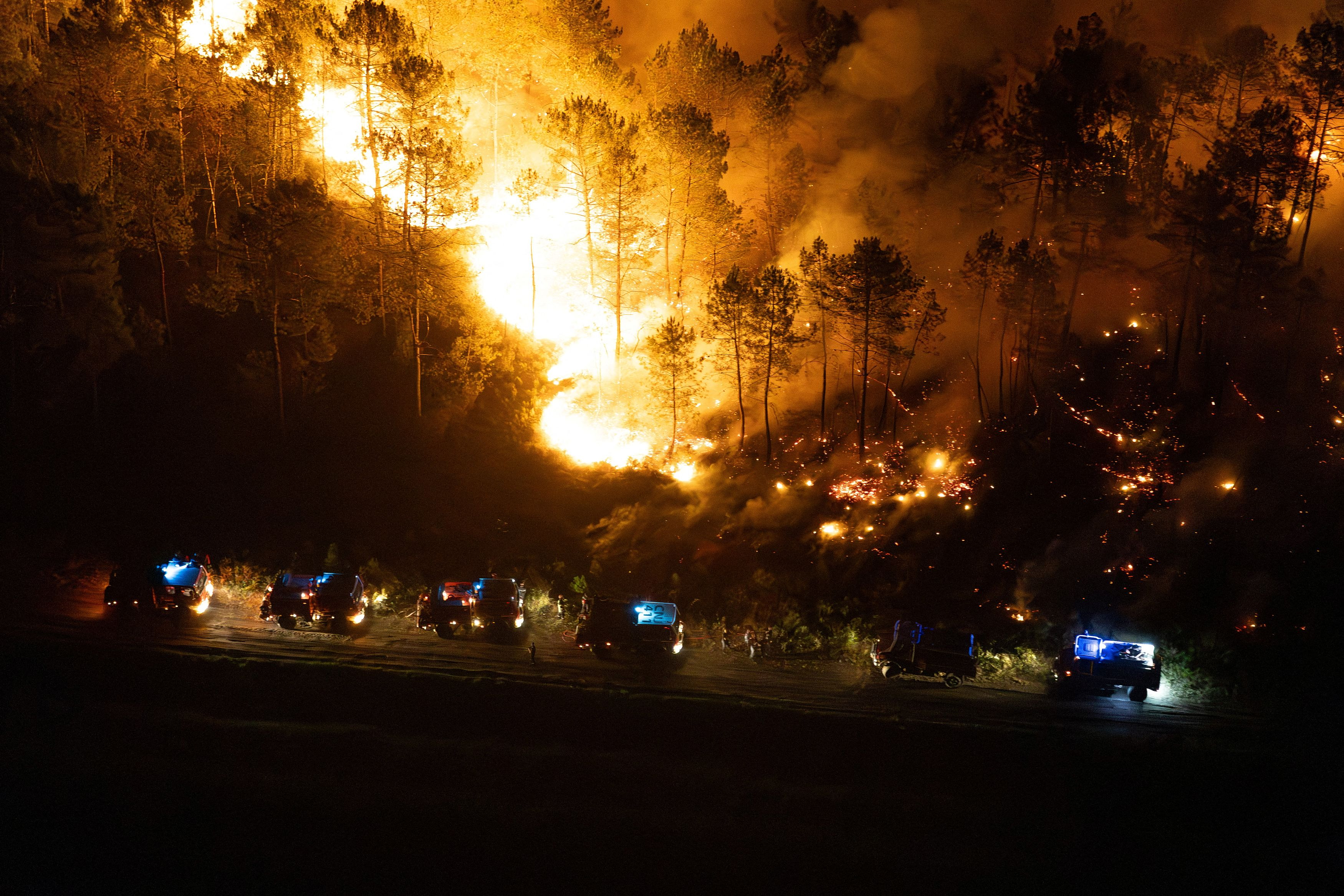
The initiative follows a summer that stretched Europe’s emergency resources. Fires swept through countries from the Netherlands, Belgium, and Czechia to Greece, France, Spain, Portugal, and Serbia. More than 686,000 hectares burned, and about 12 million metric tons of crops were lost. The EU Civil Protection Mechanism was activated 10 times for wildfires in Europe and twice outside it, deploying 41 firefighting aircraft and 18 ground teams. Direct damage to property and infrastructure from fires in the EU is estimated at roughly 2.5 billion euros a year.
In announcing the group, the Commission stressed that extreme events have become the norm rather than the exception, that prevention is the best defense against fire, and that the panel will deliver concrete proposals.
What the group will examine
PreparEU will review the capabilities member states already have under the EU Civil Protection Mechanism and the rescEU reserve, and consider whether new shared capabilities are needed. These include a possible European Firefighting Fleet that could speed up cross-border responses, along with greater use of dual-use assets through better civil-military coordination.
Its mandate goes beyond wildfires. The experts will also look at extreme weather, technological hazards, and other emerging threats, as well as their knock-on effects on public health, mass population movements, emergency shelter, communications, and critical infrastructure such as energy, water, and transportation networks. Better use of scientific research, satellite data, forecasting, and early warning systems is also on the agenda.
Prevention over reaction
The move is part of the EU’s Preparedness Union Strategy, which aims to shift policy away from responding after disasters strike and toward prevention and early preparation. Longer droughts and more frequent heat extremes have exposed the limits of national systems, especially when several countries face crises at the same time.
PreparEU builds on a March 2026 Commission communication calling for wildfire management across the entire disaster cycle, from prevention to recovery. It also complements a new climate resilience framework adopted in late October and a European Heatwave Plan expected in 2027.
Questions of scope and funding
The initiative also revives the debate over how responsibilities are split between Brussels and national governments. Fire prevention and response remain mainly the job of national, regional, and local authorities, with EU support serving as a backup through funding, expertise, coordination, and extra resources when national capacity falls short.
Setting up the group does not automatically approve any funding or launch procurement for a European firefighting fleet. It is a first step to assess needs and draft proposals. The key question is whether EU governments will turn its recommendations into binding decisions, investments, and permanent capabilities.