 Μake us preferred on Google
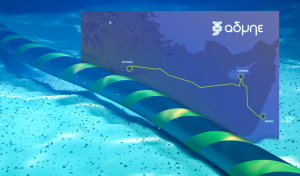
Cyprus has sent a new letter to UN Secretary-General António Guterres protesting Turkey’s plans to build an undersea natural gas pipeline linking Turkey to the island’s Turkish-controlled north.
The letter, dated October 21, was sent by Maria Michail, Cyprus’s Permanent Representative to the UN. It follows up on an earlier letter from August 7, 2026, which objected to a memorandum of understanding signed on July 10, 2026, between Turkey and the Turkish Cypriot administration in the north.
Nicosia considers that agreement illegal and refers to the Turkish Cypriot administration as an illegal secessionist entity in areas under Turkish military occupation. The memorandum covers the construction of a two-way undersea gas pipeline between Turkey and the north. According to the new letter, Turkey has since escalated what Cyprus describes as provocative and unlawful actions against the island.
Turkish survey work
The letter states that on September 30, Turkey issued a navigational warning, known as a NAVTEX, announcing “scientific research and underwater work” by the Turkish-flagged research vessels Oruç Reis, Denar Pathfinder, Denar Echo, and Kirici in the Mediterranean between October 1 and 25, 2026, as part of carrying out the memorandum. At the time the letter was written, that work was still underway.
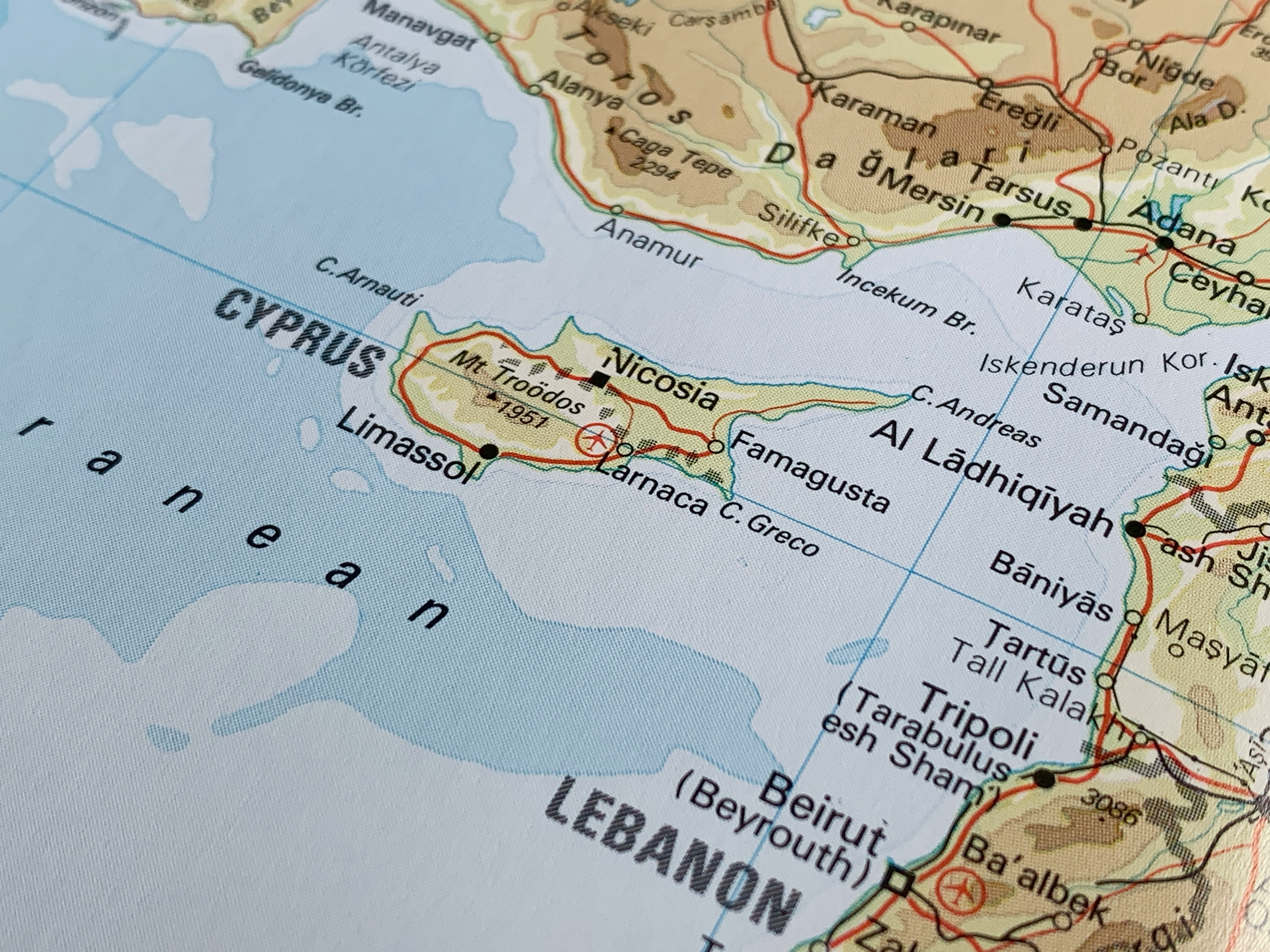
According to Cyprus, the activities took place in its territorial waters, exclusive economic zone (EEZ), and continental shelf without its approval or consent. A map of the area was attached to the letter. Nicosia says the work is another step toward building the pipeline and violates its sovereignty, rights, and jurisdiction under international law, as reflected in the UN Convention on the Law of the Sea (UNCLOS).
Since the letter was sent, the October NAVTEX has expired. Turkey has issued a new one covering research and underwater studies at 12 locations from October 26 to December 31, 2026, carried out by the Denar Pathfinder, Denar Echo, Denar Explorer, and Kirici. The Oruç Reis is not among the listed vessels.
Legal arguments
Michael argues that surveying and laying a pipeline in Cyprus’s territorial waters without its permission breaches its sovereignty under UNCLOS, including Articles 2 and 19, which she says reflect customary international law. Because Cyprus has neither been asked for nor given such permission, she writes, Turkey has no legal basis to carry out the work there.
She adds that any surveys or pipeline work in Cyprus’s EEZ or on its continental shelf must respect the country’s rights as a coastal state over its natural resources and marine environment, under Articles 58(3) and 79(2), (3), and (4) of the convention. In this respect, she says, Turkey is directly violating its obligations under international law.
Political and strategic concerns
The letter also warns that a permanent undersea energy link between Turkey and the north would have broader political and strategic consequences. Repeating the argument made in August, Cyprus says the project would be another attempt to create irreversible facts on the ground affecting its territory and maritime zones, and would further integrate the north into Turkey.
Cyprus’s position
The letter stresses that the Republic of Cyprus is the only internationally recognized state on the island and holds sovereignty and jurisdiction over its territory and surrounding waters. It calls on Turkey to fully respect Cyprus’s sovereignty, sovereign rights, and jurisdiction, and says any steps to implement the memorandum, including preparatory work, are illegal and must stop immediately.
Cyprus says it firmly asserts sovereignty over all its territory and territorial waters, as well as its rights over its EEZ and continental shelf. It adds that it will continue to exercise and defend those rights in good faith, in line with international law and UNCLOS, using all peaceful means available.