 Μake us preferred on Google
 When health officials finally confirmed a new Ebola outbreak in eastern Democratic Republic of Congo last week, the number of suspected cases had already placed it among the worst on record. According to two Congolese officials who spoke with Reuters, a chain of failures and missteps held back early detection, giving the disease time to quietly move into rebel-controlled areas in the east and cross the border into Uganda’s capital.
Among the key problems: traditional burial customs contributed to the virus spreading before any warning bells went off; testing equipment at a local lab was set up for the wrong Ebola strain; and biological samples sent to the capital were improperly stored and transported.
Experts warn that these delays could seriously hamper efforts to bring the outbreak under control. The World Health Organization declared the situation a public health emergency of international concern over the weekend.
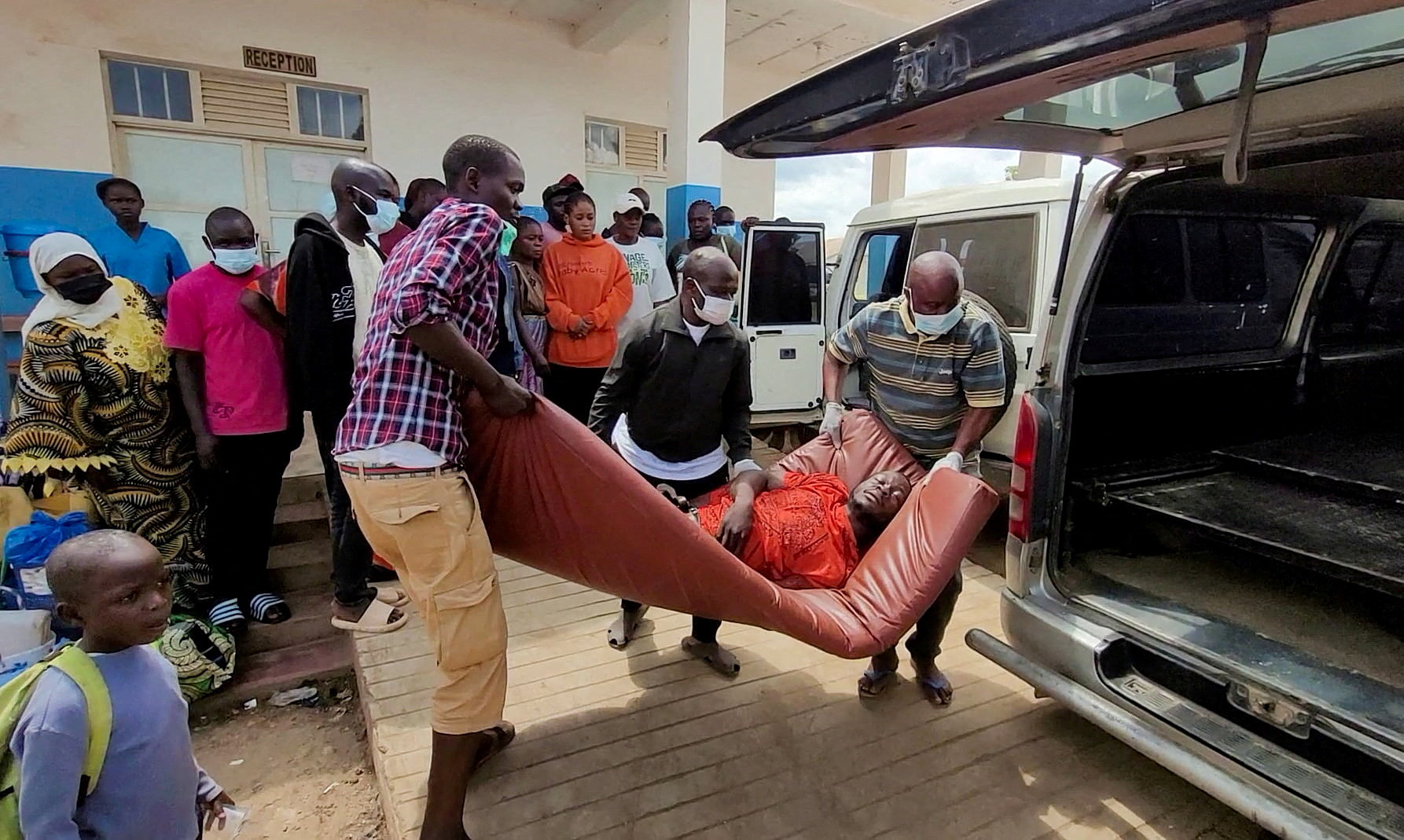
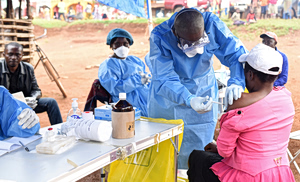
A man is carried from an ambulance as he arrives at Bunia General Referral Hospital following confirmation of an Ebola outbreak involving the Bundibugyo strain in Bunia, Ituri province, Democratic Republic of Congo, May 16, 2026. Picture taken with a mobile phone. REUTERS/Victoire Mukenge
“It’s just a scattered mess right now. I don’t think we have anything close to a real idea of how many cases there are,” said Craig Spencer, an emergency physician and public health professor at Brown University. “It’s going to be quite some time before you’re able to piece this together.”
The First Known Case Was a Health Worker
The outbreak is centered in the northeastern province of Ituri — a remote area of Congo already struggling with weak health infrastructure and ongoing armed conflict. The WHO has reported 80 suspected deaths, 246 suspected cases, and eight laboratory-confirmed cases, though the actual numbers are likely far higher.
The first identified patient — a health worker — developed fever, vomiting, and hemorrhaging and died at a medical facility in Bunia, Ituri’s capital, on April 24, according to Congo’s health minister, Samuel Roger Kamba. The fact that the patient was a healthcare worker makes it very unlikely they were actually the first person infected, noted Spencer.
The body of the deceased was contagious, but mourners attended the funeral under the belief that the death had been caused by a mystical ailment. “Everyone is touching him, everyone is doing this… and that’s when the cases start to explode,” Kamba said.
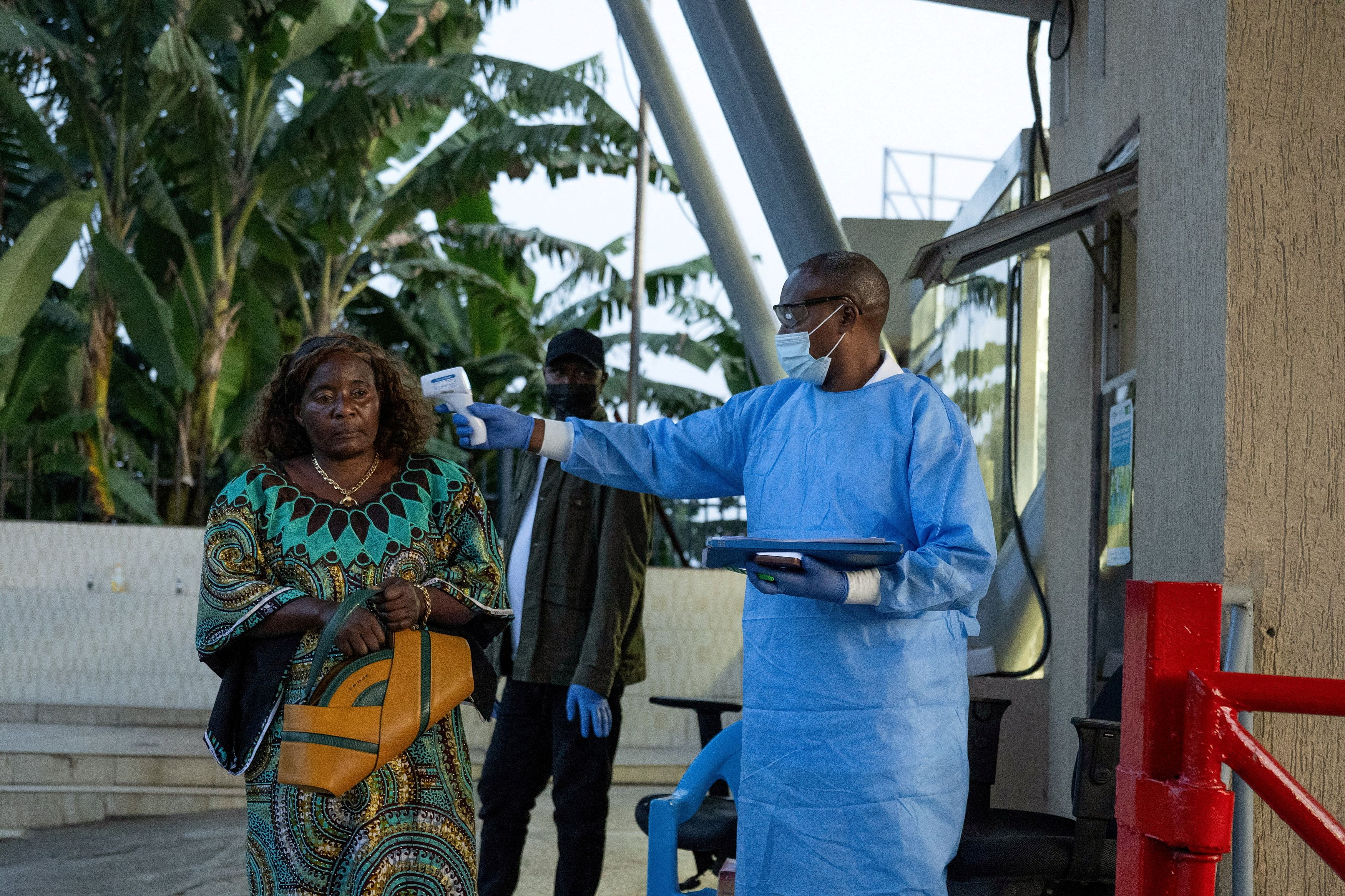
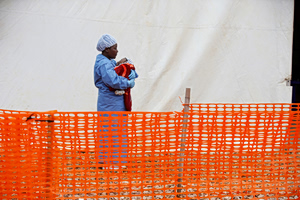
A Congolese health worker checks the temperature to screen a traveller at the Grande Barrier border following confirmation of an Ebola outbreak involving the Bundibugyo strain, at the border crossing point between Congo and Rwanda, in Goma, Democratic Republic of Congo May 18, 2026. REUTERS/Arlette Bashizi TPX IMAGES OF THE DAY
A former mayor of Mongbwalu told Reuters that the town alone saw an estimated 60 to 80 deaths, with as many as six, seven, or eight fatalities per day — figures alarming enough to finally prompt local officials to notify health authorities.
Testing Failures and Mishandled Samples
The WHO learned of an unidentified illness with a high death rate in Mongbwalu on May 5 — including four health workers who had died within four days — and sent a rapid response team to the area.
Local health officials in Ituri began collecting samples for testing in Bunia. The lab there was equipped with test cartridges designed specifically to detect the Zaire strain of Ebola, which has been behind 15 of Congo’s previous outbreaks, including a 2018–2020 epidemic that claimed more than 2,200 lives.
However, this outbreak is caused by the Bundibugyo strain — one that hadn’t appeared in Congo since 2012 and carries an estimated mortality rate of 25 to 40 percent. The Bunia lab lacked the genetic sequencing tools needed to identify any strain other than Zaire, and when tests came back negative, the samples were set aside rather than escalated.
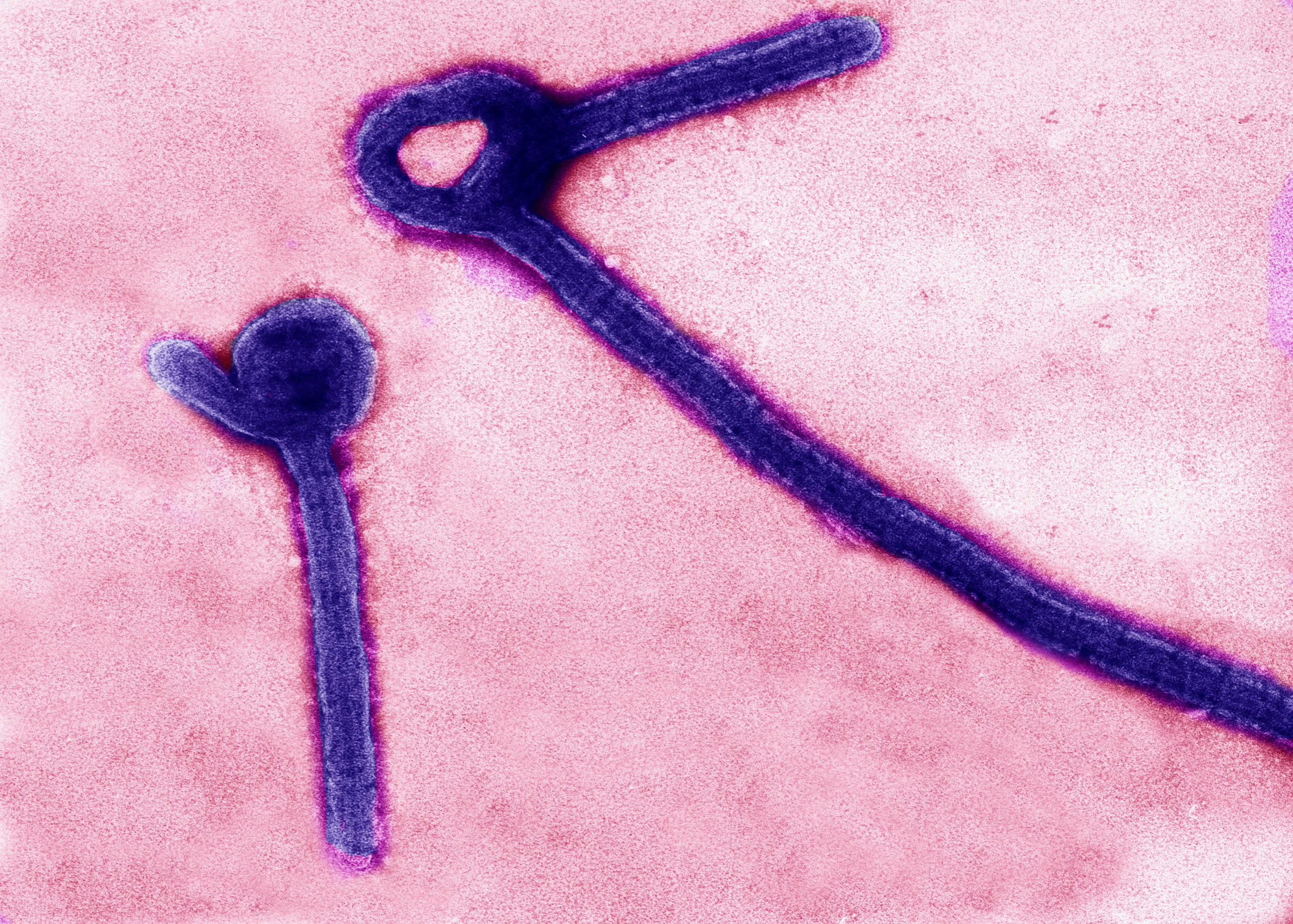
FILE PHOTO: A transmission electron micrograph shows Ebola virus particles in this undated handout image released by the U.S. Army Medical Research Institute of Infectious Diseases (USAMRIID) in Fredrick, Maryland. REUTERS/USAMRIID/Handout THIS IMAGE HAS BEEN SUPPLIED BY A THIRD PARTY. IT IS DISTRIBUTED, EXACTLY AS RECEIVED BY REUTERS, AS A SERVICE TO CLIENTS. FOR EDITORIAL USE ONLY. NOT FOR SALE FOR MARKETING OR ADVERTISING CAMPAIGNS/File Photo
“The reflex should have been to contact Kinshasa and send them to our laboratory here for further investigation,” said Jean-Jacques Muyembe, director of Congo’s National Institute for Biomedical Research.
When the samples were eventually shipped to Kinshasa, the process was mishandled. The specimens arrived at 63°F (17°C) instead of the required 39°F (4°C), and they were sent in quantities too small to allow for a full range of testing.
Budget Cuts Add to the Crisis
Africa’s top public health agency officially announced the outbreak on May 15. The following day, WHO Director-General Tedros Adhanom Ghebreyesus declared a public health emergency of international concern — a ruling he made unilaterally, without consulting an emergency committee of experts, marking a first in the history of the International Health Regulations.
In internal documents reviewed by Reuters, the WHO described “a critical four-week detection gap” between the time the first known patient began showing symptoms and the laboratory confirmation of the outbreak, attributing it to low clinical alertness among healthcare providers.
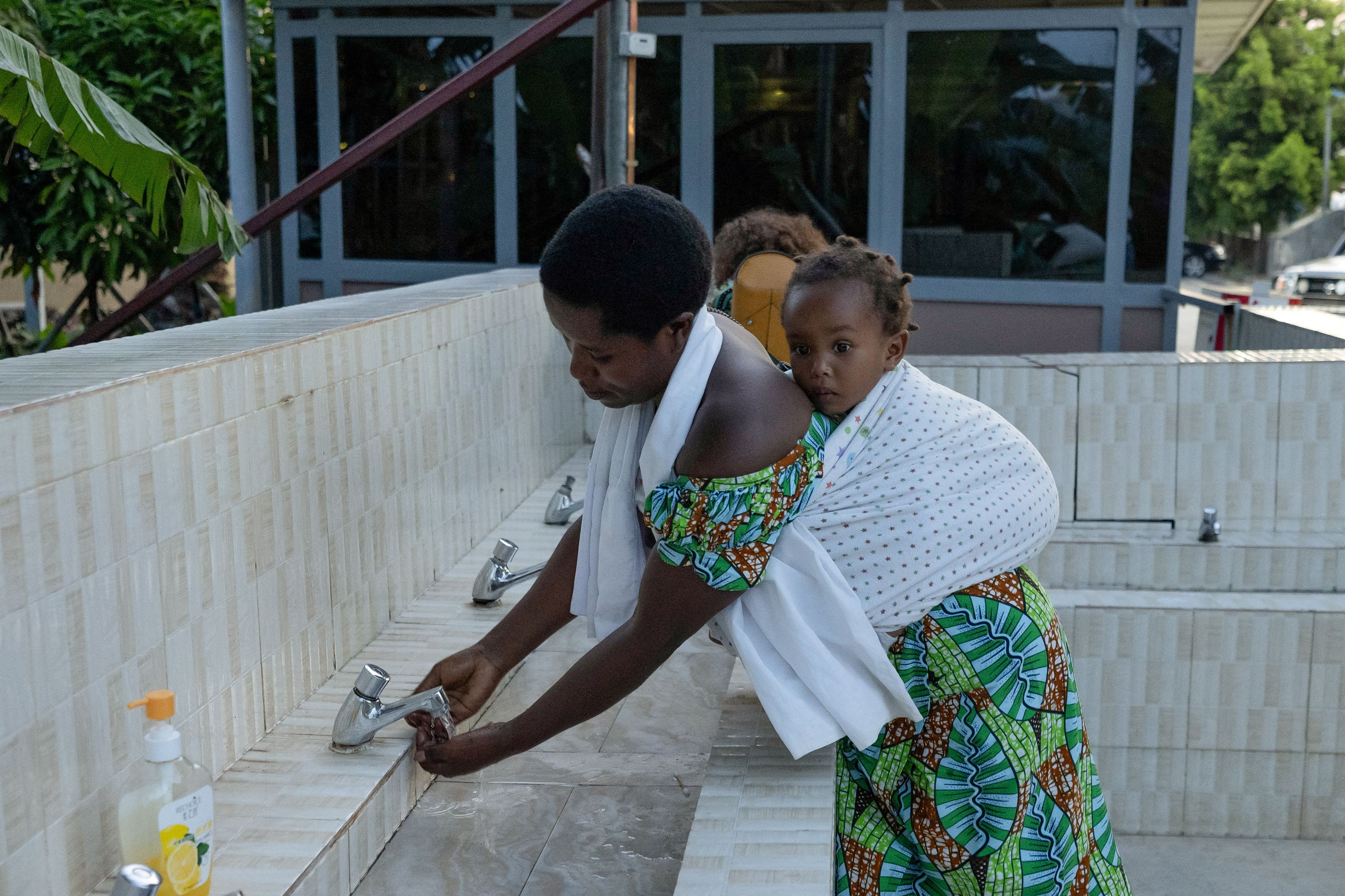
A woman washes her hands at the Grande Barrier border following confirmation of an Ebola outbreak involving the Bundibugyo strain, at the border crossing point between Congo and Rwanda, in Goma, Democratic Republic of Congo May 18, 2026. REUTERS/Arlette Bashizi
Lievin Bangali, a senior health coordinator for the International Rescue Committee in Congo, pointed to foreign aid cuts as a contributing factor. “Years of underinvestment and recent funding cuts have severely weakened health services across eastern DRC, including critical disease surveillance systems that are essential for detecting and containing outbreaks early,” he said.
The funding shortfall is also hampering the response. Bangali noted that personal protective equipment, which had previously been covered by donor funding, is now virtually unavailable in Ituri.