 Μake us preferred on Google
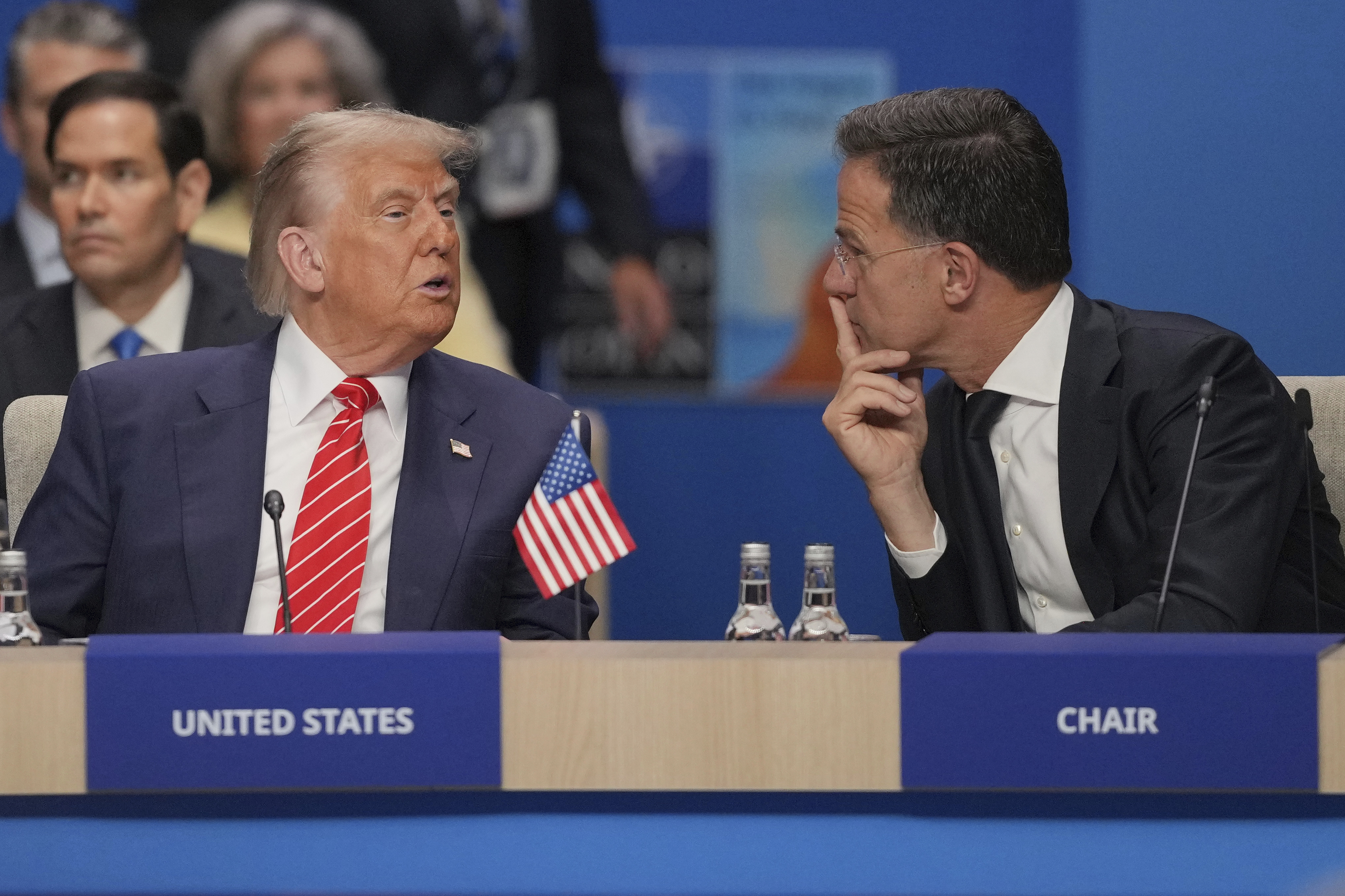
 NATO Secretary General Mark Rutte on Wednesday declined to comment on tensions between Greece and Turkey, saying his priority was preserving alliance unity rather than publicly weighing in on bilateral disputes.
The specific segment starts at the 29.11 mark. A Turkish reporter is the last to ask a question, first mentioning a news outlet that isn’t clearly enunciated.
Responding to a Turkish journalist’s question following the NATO summit in Ankara, which indirectly touched on longstanding casus belli (cause for war) declaration against Greece and recent remarks by Greek Prime Minister Kyriakos Mitsotakis, Rutte said differences between allies were inevitable in a 32-member alliance but stressed that his role was to safeguard cohesion. He indicated that refraining from public comment enables NATO to facilitate dialogue behind the scenes when necessary.
Earlier in the press conference, Rutte reaffirmed the alliance’s continued support for Ukraine, reiterated NATO’s longstanding position that Iran must not acquire nuclear weapons and stressed the importance of safeguarding freedom of navigation through the Strait of Hormuz. He also underscored that democratic governance extends beyond elections to include a free press and the right to peaceful protest.
Trump on F-35 sale to Turkey
Later on Wednesday, US President Donald Trump said he had not yet decided whether to approve the sale of F-35 fighter jets to Turkey, adding that he was weighing the issue in light of President Recep Tayyip Erdoğan’s role as a US ally. Trump suggested he was inclined to view Ankara favorably because of what he described as Turkey’s assistance to the United States on multiple issues.
Mitsotakis
Speaking separately after the summit, Mitsotakis said Greece’s own F-35 procurement program was proceeding as planned and maintained that Turkey continues to face significant legal obstacles under US legislation if it seeks to rejoin the program. He noted that the restrictions stem from Ankara’s acquisition of the Russian-made S-400 air defense system, which led Washington to remove Turkey from the multinational F-35 program in 2019.
The Greek prime minister also said the first Hellenic Air Force pilots are scheduled to begin training on the fifth-generation fighter in 2027, with Greece’s aircraft already in production. He described Turkey’s casus belli – a 1995 parliamentary resolution threatening military action if Greece legally extends its territorial waters to 12 nautical miles – as a historical anomaly that remains incompatible with relations between NATO allies.
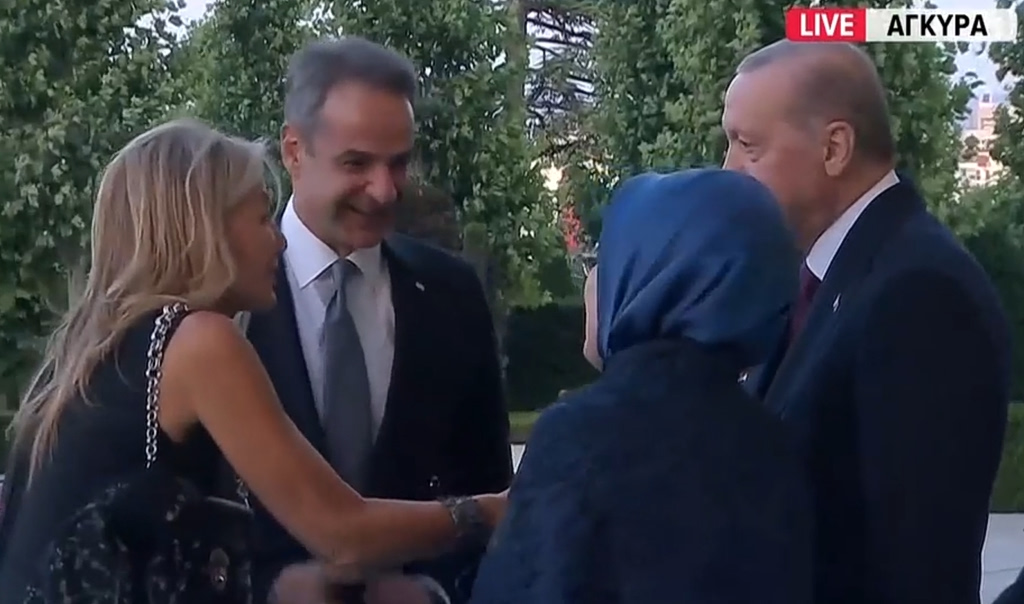
According to reporting over the past two days, the NATO summit highlighted continued efforts by Athens to strengthen deterrence while maintaining channels of communication with Ankara. Mitsotakis reiterated that Greece supports constructive dialogue but that improved bilateral relations require respect for international law and the removal of longstanding threats.
The future of Turkey’s access to the F-35 remains uncertain. US officials have repeatedly linked any potential policy change to unresolved concerns over Ankara’s continued possession of the Russian S-400 system, while members of the US Congress from both parties have maintained that existing sanctions and legislative restrictions remain in force. Although the Trump administration has signaled greater openness to reviewing the issue, Western officials and analysts continue to view Turkey’s return to the program as contingent on resolving those longstanding security concerns.