 Μake us preferred on Google
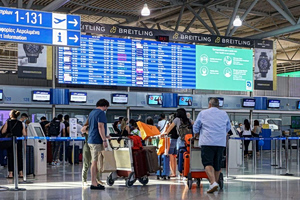
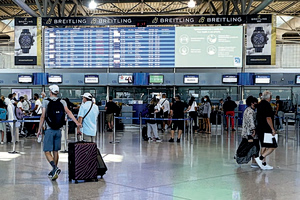
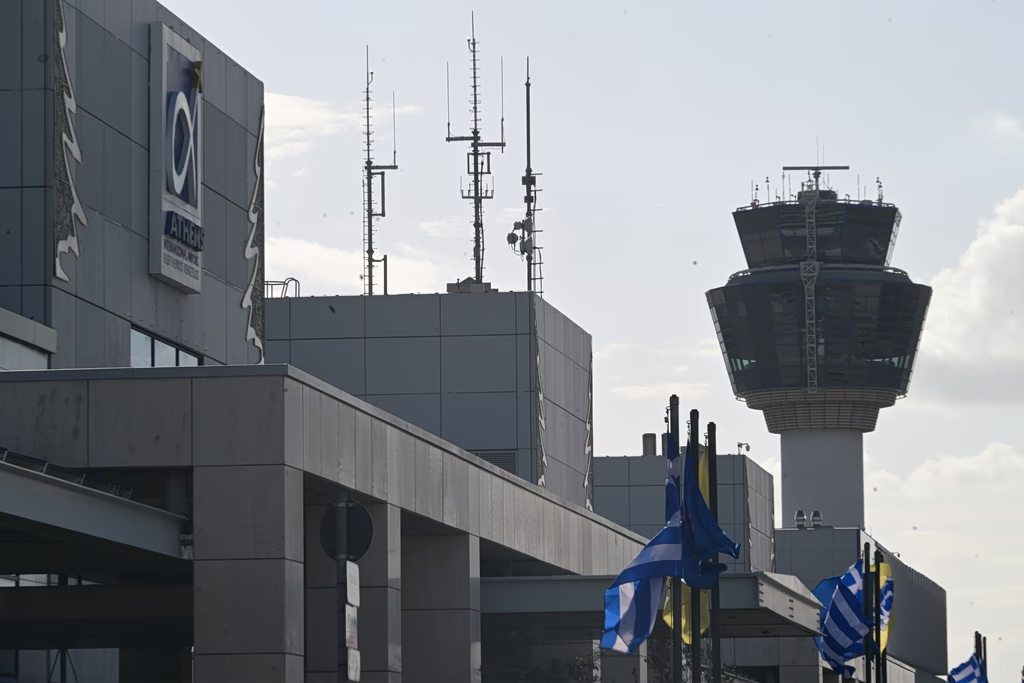
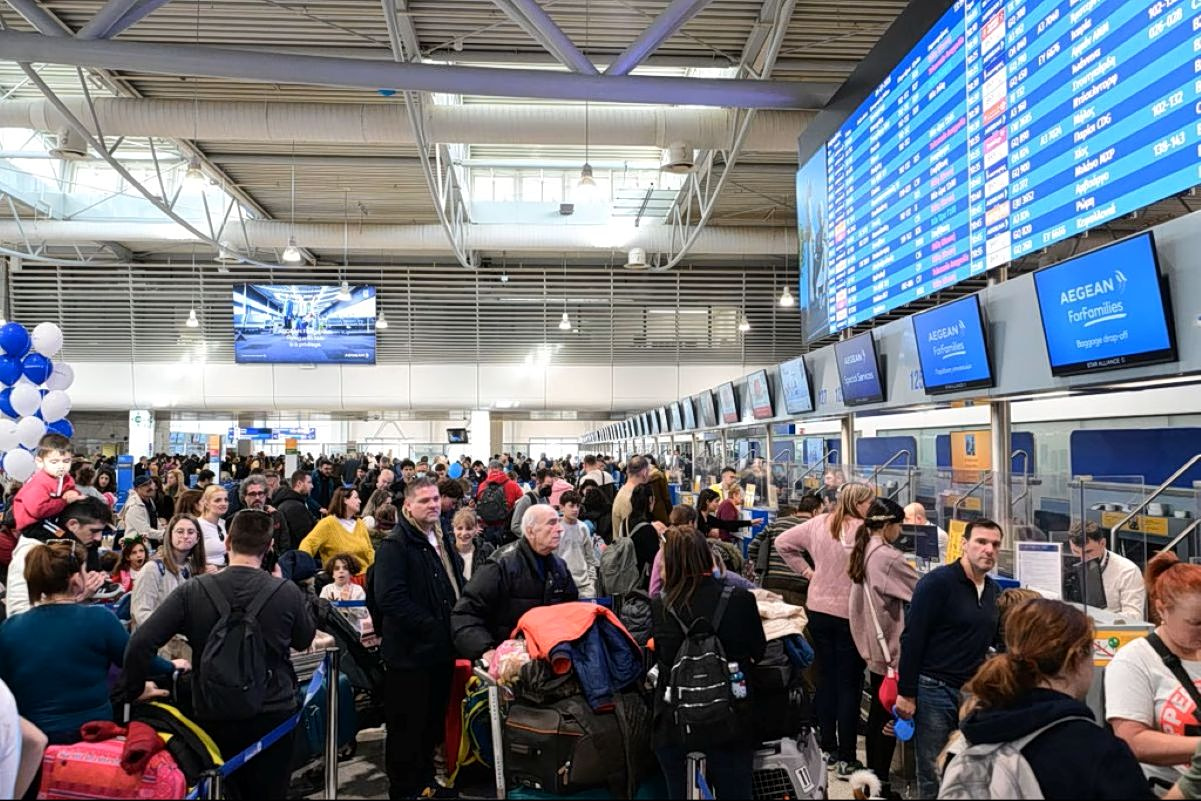
 A sharp rise in flight frequency over the past ten days at Athens International Airport has placed significant strain on operations, triggering a cascade of delays that is now affecting the broader European air traffic network.
According to the latest update from Eurocontrol, Greece ranks third in Europe for air traffic delays, behind France and Spain, amid warnings that rising flight volumes are further straining the system.
In response, Greek aviation authorities—including the Hellenic Civil Aviation Authority and the Air Accident Investigation and Aviation Safety Authority / Civil Aviation Authority of Greece—have called an emergency meeting at 4 p.m. today with air traffic controllers, Athens International Airport officials, and representatives from AEGEAN and SKY express to address the mounting disruption.
Eurocontrol data for the week of June 22–28 show a steady upward trend in activity, with an average of 35,562 flights per day across Europe—an increase of 0.7% compared with the previous week. On June 26, air traffic reached a yearly peak of 37,165 flights, surpassing the 2025 high and coming close to the all-time record set in 2019.
France accounted for 29% of en-route delays, followed by Spain at 21%, while Greece contributed 13% of total European delays. Of this share, 9% was attributed to the Athens Area Control Centre and 4% to operations at Macedonia Airport.
Eurocontrol attributes the disruption to a combination of constrained capacity, staffing limitations, and intensified flight flows over Greek airspace, partly driven by regional instability in the Middle East.
Air traffic controllers also point to operational stress at Athens International Airport, where scheduled “slot” allocations are increasingly being exceeded. In practice, this means airlines are operating more arrivals and departures than the airport can safely accommodate within its designated capacity.
As an example, officials note that on Monday, July 6, departures reached 40 per hour against an operational ceiling of 35, while arrivals climbed to 35 instead of the recommended 28. In some cases last week, departures peaked at 44 per hour—well above safe scheduling thresholds.