 Μake us preferred on Google
One pound of rib-eye, smothered in butter, would be an extravagant dinner for many Americans. Bella Ma eats it for breakfast—and follows it with six eggs.
The concert pianist turned content creator was previously vegan. But the 30-year-old doesn’t miss eating oatmeal with fruit as her first meal of the day. She switched to a “high-fat carnivore” diet in 2019 and now documents her red-meat mornings for her 647,000 Instagram followers.
When she goes out for breakfast, she says, “I just order boiled or ground patties without the bun.”
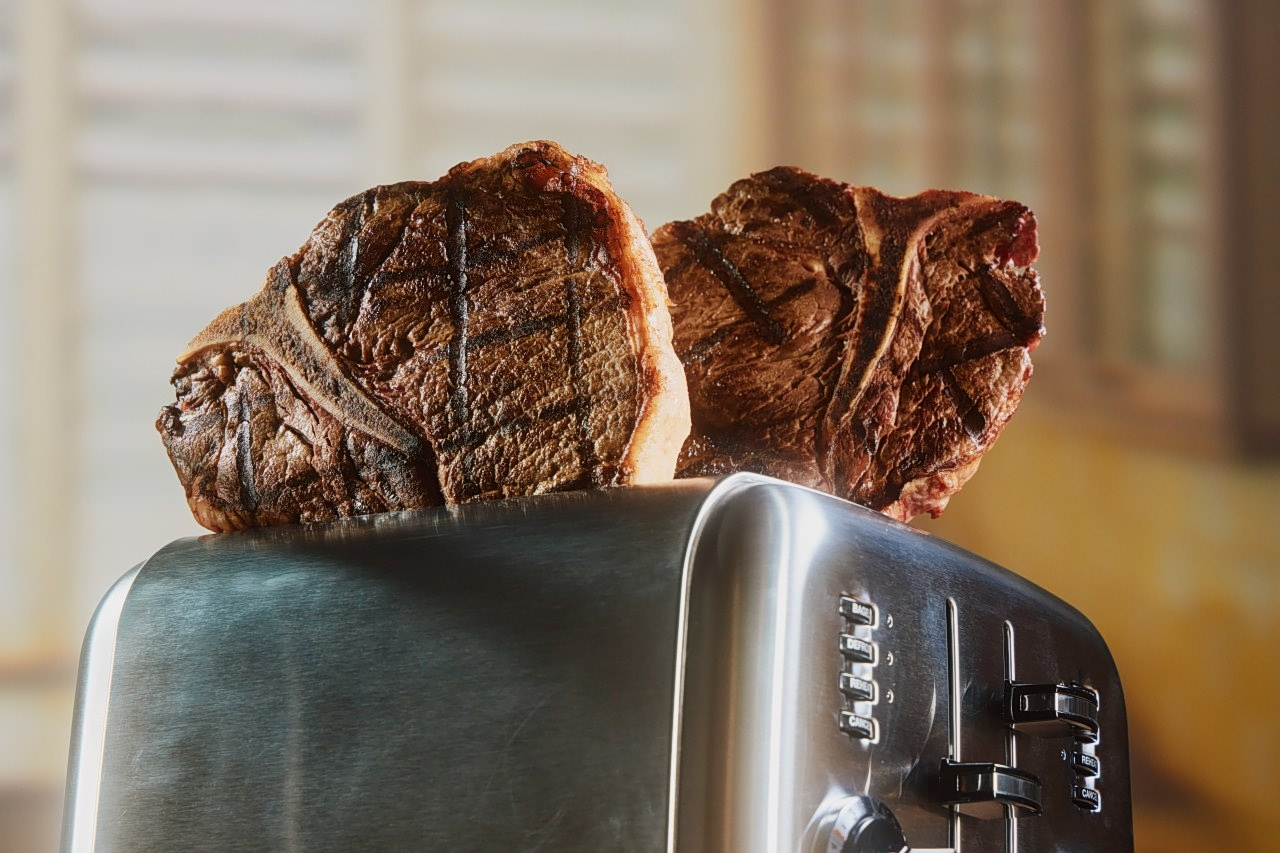
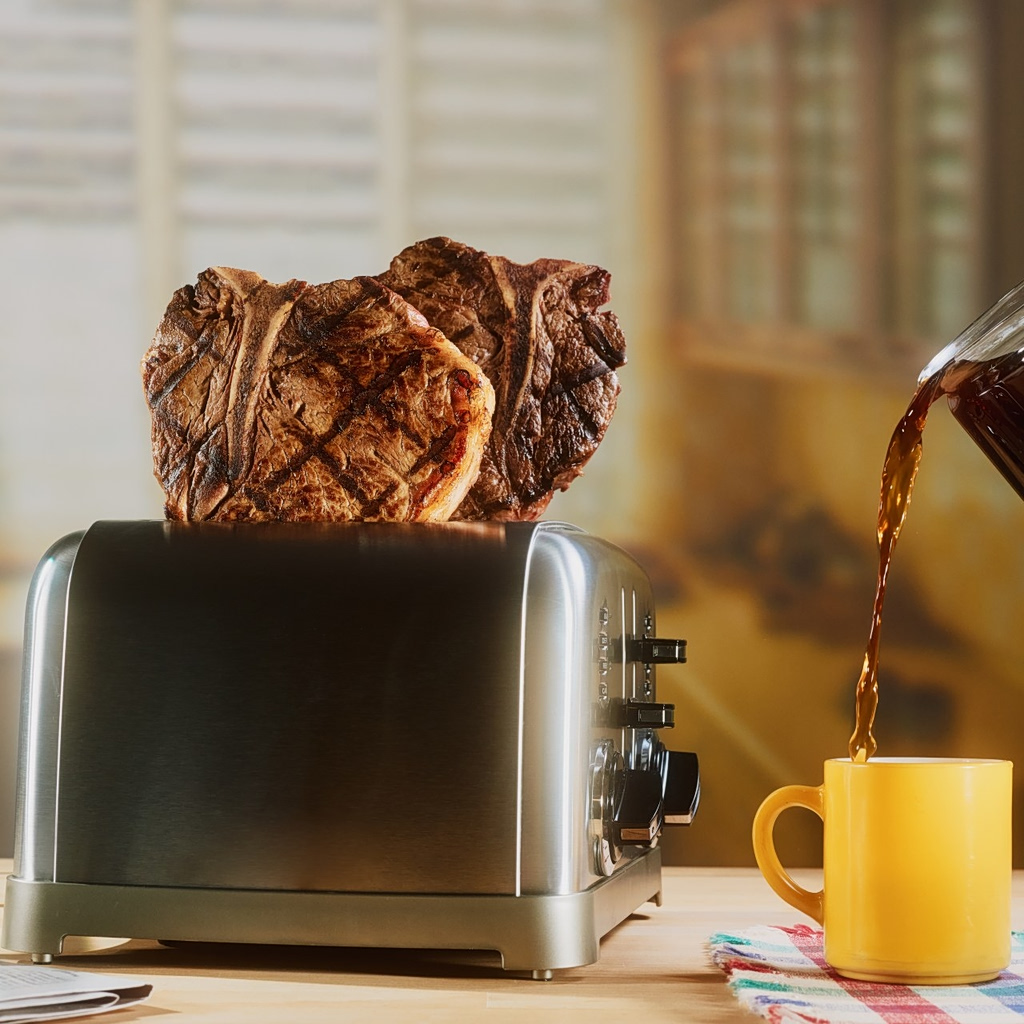
Forget cereal, toast and yogurt parfaits. These days, breakfast has become nearly unrecognizable. Jacked up by protein-heavy diet trends and a multitude of wellness fads, it’s likely to resemble its far heftier cousin: dinner.
“There’s a backlash to traditional breakfast foods,” says Kat Chan, a nutritionist in London with clients in the U.S. “There’s such a fear of carbohydrates and refined carbs specifically.”
She and other nutrition experts say there’s nothing wrong with dinner for breakfast, especially if it helps clients get more protein or fiber in their diet and keeps them from eating too much sugar first thing in the morning.
But it’s important not to follow a diet that “eliminates entire food groups,” says Chan, who encourages clients to think about how they eat across their entire day rather than stress about fitting all of their nutritional needs in breakfast.
Elizabeth Arvelos Coetzee/WSJ, Styling by Emilie Fosnocht
Marissa Gencarelli, co-founder of a tortilla company in Kansas City, Mo., says she often starts her day with Vietnamese shrimp rolls. Leftover chicken wings will also do. “I’m more protein-focused, like everybody now—I’m a woman in my 40s,” says Gencarelli. She gives priority to breakfasts that can help her build muscle but draws the line at chalky powders: “I don’t want protein in my coffee,” she says.
Amy Bragagnini, a spokesperson for the Academy of Nutrition and Dietetics, a professional association, has also embraced the trend. “There doesn’t have to be hard-and-fast rules on what you have in the morning,” she said. “I heat up salmon, soup or a casserole.”
Breakfast has long been the meal with the most cultural expectations around what should be eaten, but those loose rules have changed throughout the decades, said Beth Forrest, a food historian and professor at the Culinary Institute of America.
In late 18th century England, upper-crust society would start the day with game birds and savory pies, an indication of social status. In the 19th century U.S., during the Industrial Revolution, porridge and bread fried in fat were customary to help prepare workers for grueling days on the job. In the 1920s, bacon and eggs became a popular breakfast duo, in part thanks to a public relations blitz enacted on behalf of Beech-Nut sliced bacon.
In the 1980s and 90s, amid concerns about the cholesterol content of eggs—concerns that later proved overstated—carbs took over.
Now, it’s a tough time to be a corn flake . Unit sales of ready-to-eat cereal in the U.S. tracked by market research firm Circana fell by 8.9% from 2021 to 2025. Cereal companies are scrambling to keep customers by adding protein to their products and reducing artificial dyes and sugar.
Kellogg spun off its slumping North American cereal division entirely in 2023, allowing top management to focus on the more lucrative snacks market. The new company, WK Kellogg, was purchased by Italian candy maker Ferrero in 2025.
To some dinner-for-breakfast types, cereal has become a snack.
Shelby Mathews, a digital marketing manager in Brooklyn, eats soup for breakfast. (She keeps her freezer full of varieties, including kale and sausage and chicken noodle.) But she has a bowl of Cinnamon Toast Crunch as an evening treat. “I eat cereal and milk at least three times a week,” she said.
Roughly one out of four U.S. breakfast eaters said they ate what they considered “non-breakfast foods” for breakfast, a number that’s higher among those ages 18 to 34, according to 2025 data from Mintel that tracked consumers’ approach to the morning meal.
Circana found that what survey respondents consider traditional breakfast foods make up just 62% of morning meals, down from 66% in 2019.
Chan, the nutritionist in London, recently started recommending soup to her clients for their mornings. She also recommends clients save items like pancakes and waffles for dessert later in the day.
To those raised on Eggo waffles and Pop-Tarts, it might sound like blasphemy.
But Forrest, the food historian, says “breakfast has always been a meal that reflects much larger cultural ideas.” Traditions also vary wildly across cultures.
So even as diet trends change, Forrest sees another element at play in our current dinner-for-breakfast moment.
“You can really show that you’re a global citizen and that you’re a sophisticated foodie by having congee for breakfast, or shakshuka,” Forrest says. Breakfast, she added, “can make a statement.”