
 Μake us preferred on Google
 The Trump administration is in advanced talks with Venezuela for the U.S. to take a direct stake in more than a dozen oil fields that house nearly one-third of the country’s massive energy reserves.
If the two countries reach a deal, it could pave the way for independent U.S. energy producers to become involved in oil production in the Latin American country, according to people familiar with the matter. Details are still being worked out, and the deal could fall apart, these people said. Axios reported on the talks earlier Thursday.
The details
The deal would give the U.S. a foothold in at least 17 of Venezuela’s most promising oil-and-gas fields, housing some 90 billion barrels of proven reserves, almost twice that of the U.S. Venezuela says it has 300 billion barrels of proven reserves, the largest in the world.
Some of the details the U.S. and Venezuela are still working out include whether the U.S. would create joint ventures with private companies, or whether the U.S. would hire companies to work the oil fields, according to one of the people.
The context
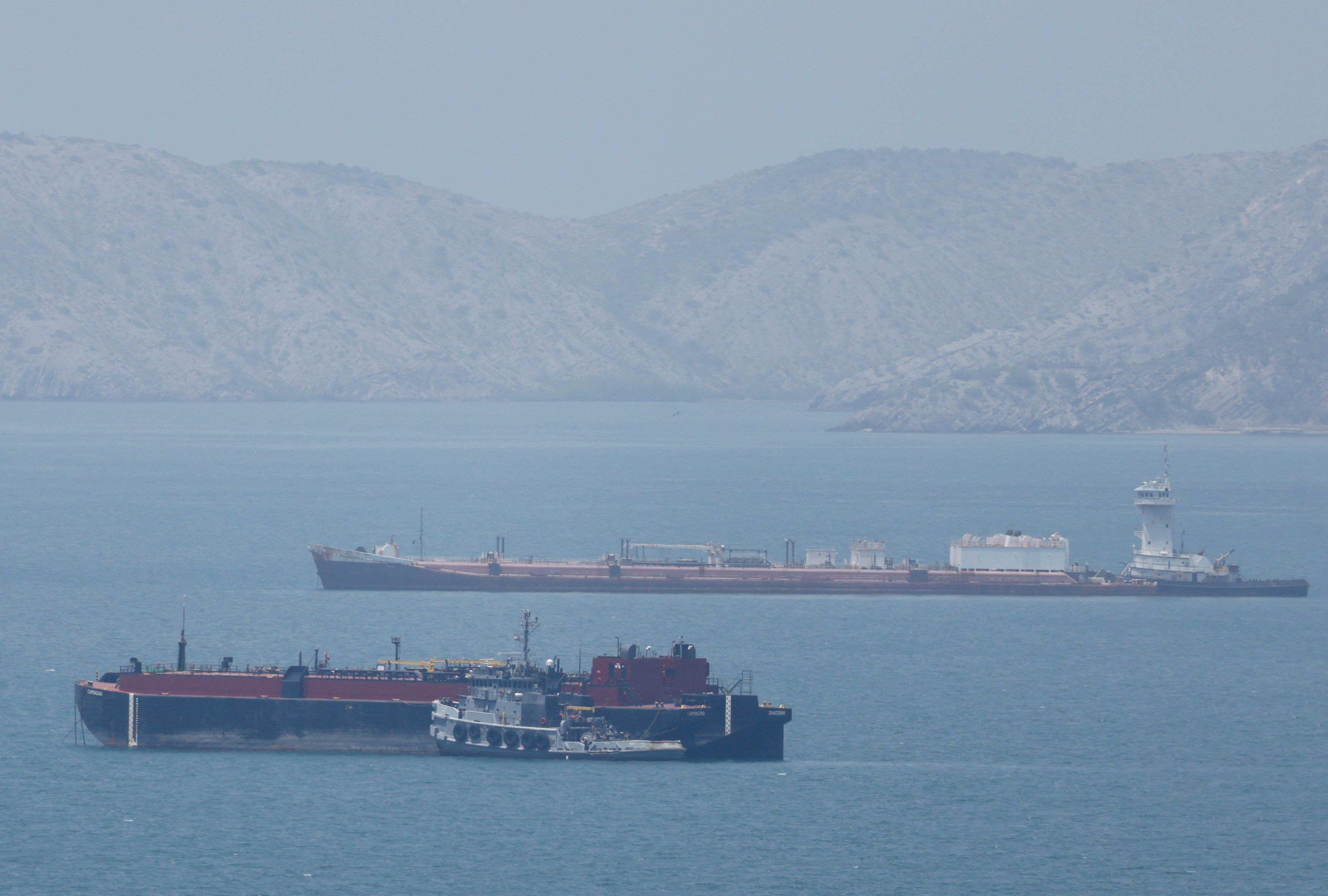
The U.S. deal would act to reassure American companies that are on the fence about gambling capital on the country’s oil industry. The sector has fallen into widespread disarray following years of mismanagement during the regimes of the late Hugo Chávez and former President Nicolás Maduro.
Although talks are continuing, major U.S. oil companies have yet to make any big new investments in Venezuela since the U.S. ousted Maduro in January. The country’s oil production has been slow to ramp up. It is pumping about 1.1 million barrels a day, roughly in line with last year’s figures.
A deal would also shore up energy security in the Western Hemisphere at a time when the Iran war has locked a big portion of the world’s oil and gas behind the Strait of Hormuz waterway.
Direct U.S. involvement in foreign oil production is rare. During World War II, the administration of Franklin D. Roosevelt created a state company to get foreign reserves and sought to buy a U.S. company that had concessions in Saudi Arabia. But the effort ultimately failed.
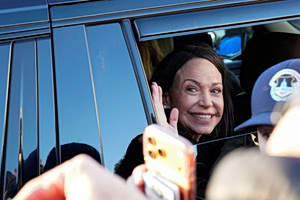
The White House didn’t immediately comment, nor did the office of Delcy Rodríguez , Venezuela’s interim president.
The reaction
News of the talks caused an outcry among some in Venezuela’s opposition who have been pushing for the U.S. to pressure Rodríguez to hold elections. The Trump administration has played a major role in overseeing Venezuela’s oil industry since ousting Maduro and replacing him with Rodríguez.
“An illegitimate interim government with an illegitimate hydrocarbons law has no legitimacy to strike this unconstitutional deal,” Ricardo Hausmann, a Harvard University economist and former government official in Venezuela, wrote on X. “It will be a fiasco for all involved, starting with [Secretary of State Marco Rubio ].”
Write to Collin Eaton at collin.eaton@wsj.com