
 Μake us preferred on Google
 Microdramas and short vertical series are gaining increasing ground in Hollywood, reshaping the entertainment industry.
Craig Williams, a former music producer, set up a small production facility in downtown Los Angeles two years ago, originally intending to rent it out for music video shoots. But the rapid rise of microdramas, short series filmed in vertical format for viewing on mobile phones, changed his plans.
“It just kept getting booked for microdramas,” Williams said, adding that after a year he was constantly booked and decided he needed to build another one.
Today, Williams runs three facilities under the name Vertical World Studios, with sets such as a hospital, a police station, and a nightclub, purchased from major film studios.
The growth of microdramas comes at a time of contraction for Hollywood. Mergers threaten to further reduce production, actors are worried about artificial intelligence, and streaming platforms are losing ground to YouTube.
According to the firm Omdia, the format is expected to generate $1.5 billion in the US in 2024, nearly reaching $2 billion in 2025. Traditional television, by contrast, is projected to shrink by $15 billion annually due to subscription cancellations.
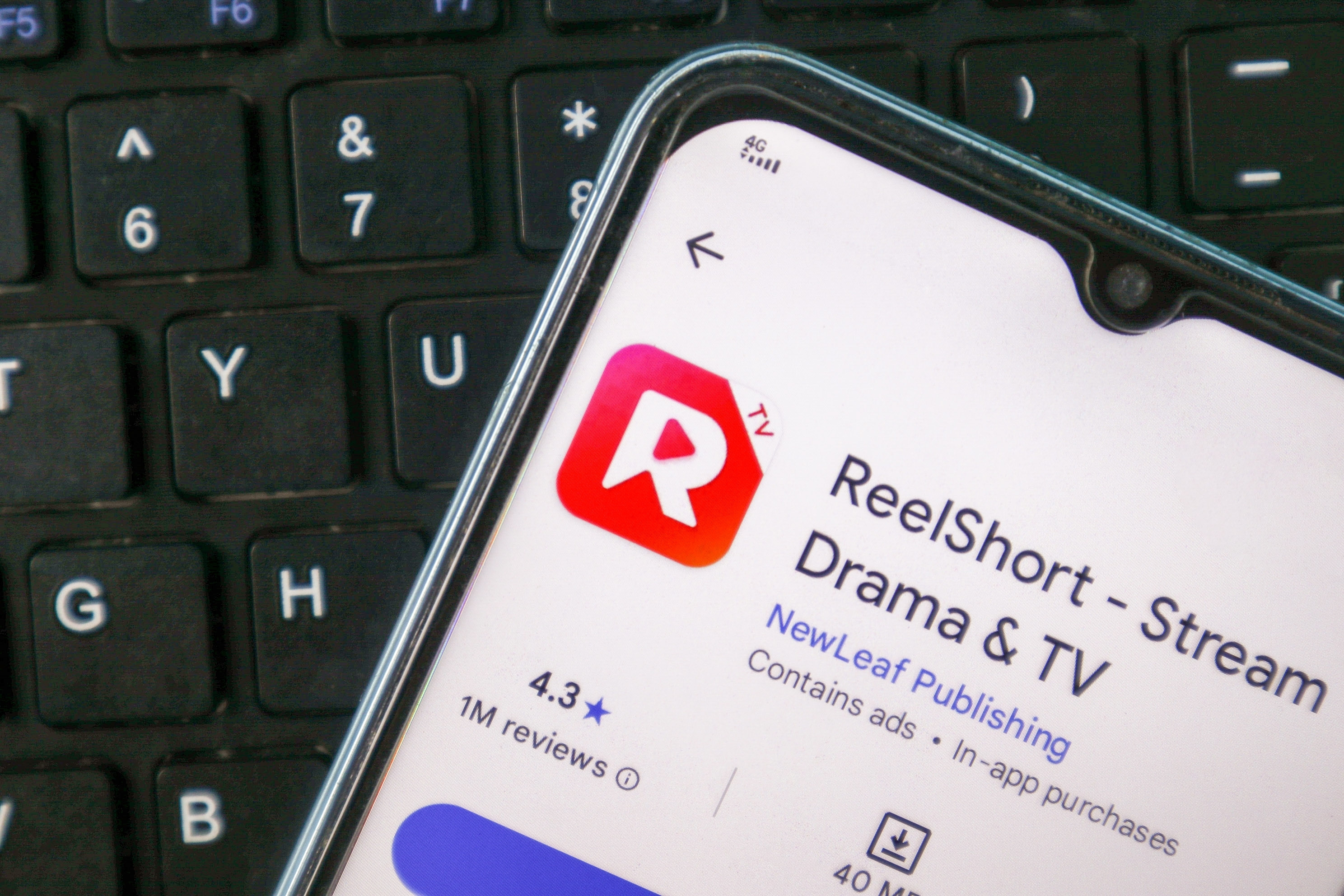
The trend also reflects the rise of China’s soft power, since the format originated there, with Chinese apps like ReelShort and GoodShort establishing themselves in Hollywood.
Vertical video overall, including TikTok, is estimated to reach $150 billion in global revenue in 2024, according to Owl & Co. The boom is creating new jobs for actors, writers, and directors, drawing investment from studios and tech platforms.
Actor Robert Palmer Watkins said it has completely changed his financial situation, as he found steady work after the pandemic-era crisis and the Hollywood strikes.
Why Microdramas Are Succeeding, and Who’s Watching
Microdramas rely on the age-old cliffhanger formula, tapping into the fact that the average American spends 99 minutes a day watching video on their phone. Episodes run from 45 seconds to two minutes, with no wasted setup.
Lily Darragh Harty, head of production at Inkitt CandyJar, said viewers are dropped straight into the middle of the story, which grabs their attention immediately.
In 2025, 66 million US users watched microdramas, more than double the 2024 figure, with women aged 25 to 55 making up the core audience.
CandyJar, a platform specializing in romance series, is expected to surpass $100 million in annual sales. Each microdrama series runs 50 to 75 episodes and is produced in three months at a cost of $100,000 to $300,000, far less than a comparable sitcom.
Elana Zeltser, creative director at Inkitt CandyJar, says 99.9% of the audience is women, with titles like “The Bad Boy Wants Me,” “Mafia Temptation,” and “My Sexy Devil.”
The storylines are simple and heavy on drama, while other platforms are broadening their audience with genres like thriller, sci-fi, and horror. On the platform My Drama, 30% of users are men, with the biggest growth among people aged 22 to 27.
Typically, the first few episodes are free, after which a subscription of $8 to $20 a week is required.
Meagan Johnson, a Chicago-based influencer, admits she has spent up to $200 a month on microdramas, saying she fell for the social media advertising trap.
Hollywood’s Response, and Artificial Intelligence
TikTok has become a haven for microdramas without a paywall. Issa Rae launched “Screen Time” on TikTok, racking up 500 million views in a month.
Omdia’s Maria Rua Aguete notes that TikTok, Instagram Reels, Facebook, and YouTube Shorts now function as “new trailers,” funneling users toward the apps.
ReelShort recorded a 40% increase in daily mobile viewing time in the second quarter, outpacing Netflix, Amazon Prime Video, and Disney+.
Major entertainment companies are integrating vertical video into their apps. NBCUniversal added verticals to the Peacock app, while Fox is partnering with Holywater Tech to produce 200 vertical video titles.
aTwist, led by former Showtime and Warner Bros. Television executives, is preparing 20 to 30 microseries across various genres, focused on quickly hooking audiences.
Microdramas are also actively using artificial intelligence. Ironblood, a sister platform to CandyJar, produces action series with generative AI, cutting costs and production time. Producer Elizabeth Knebel said she can make changes within two minutes using prompts.
Inkitt, with 135 employees, is continuously hiring to keep up with demand, according to CEO Ali Albazaz.
New SAG-AFTRA rules for microdramas set minimum pay, breaks, and safety standards for actors.
Finally, according to Hernan Lopez, head of Owl, the path to success in Hollywood is changing: today, many people move to Los Angeles and land their first job through vertical dramas.
Source: Reuters