 Μake us preferred on Google
The project is being undertaken by the ministry’s services, as part of a broader programme to preserve and enhance the historic complex.
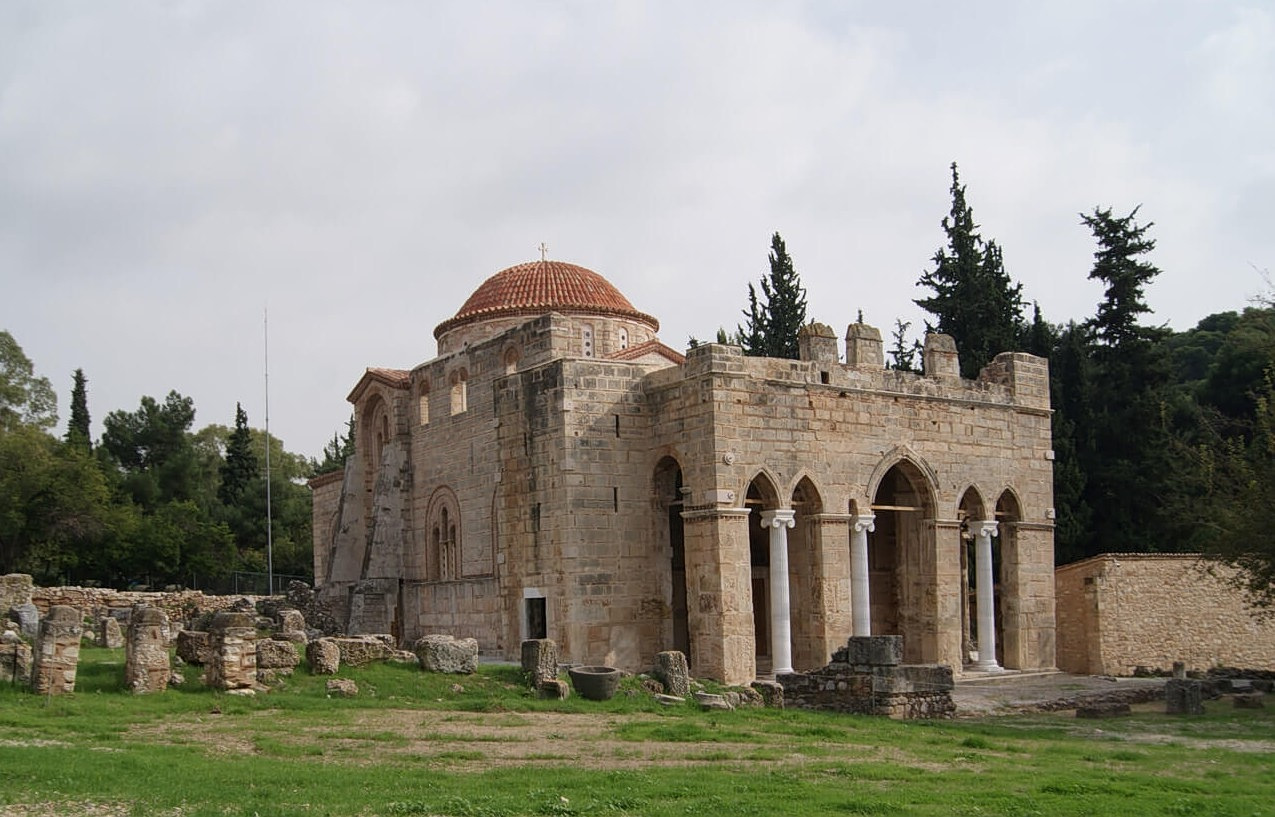
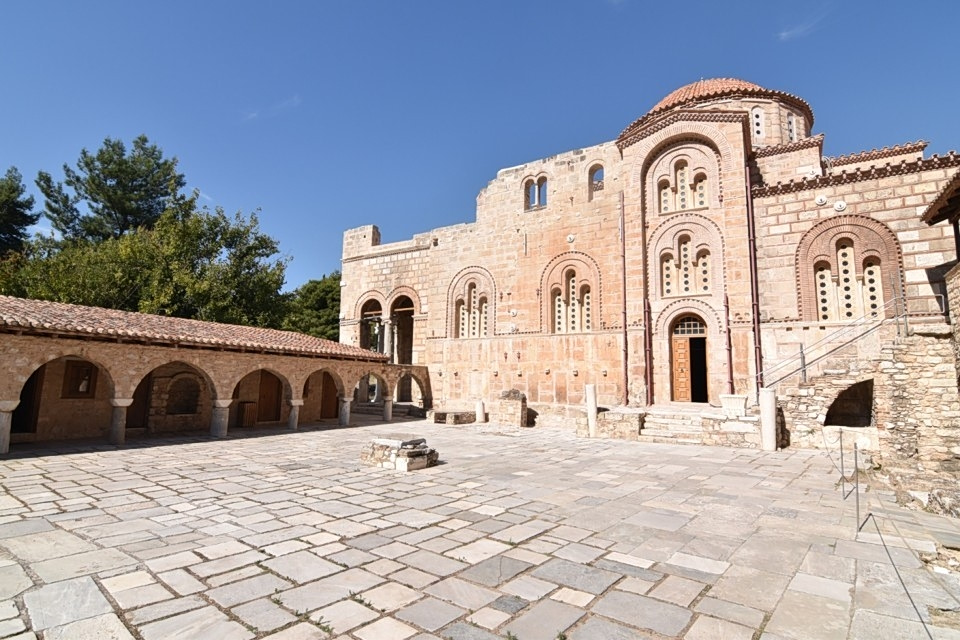
Located along the ancient Sacred Way, near Mt. Aigaleo (Egaleo) in western Attica prefecture, Daphni Monastery is renowned for its exceptional Byzantine architecture and artistic decoration. Its main church, or katholikon, dates to the 11th century and is distinguished by its octagonal architectural design, elaborate mosaics, marble revetments and ceramic decoration.
The monastery shares UNESCO World Heritage status with Hosios Loukas in Boeotia (Viotia) and Nea Moni on the eastern Aegean island of Chios, forming a serial listing of outstanding examples of Byzantine religious architecture.
Preserving a later artistic phase
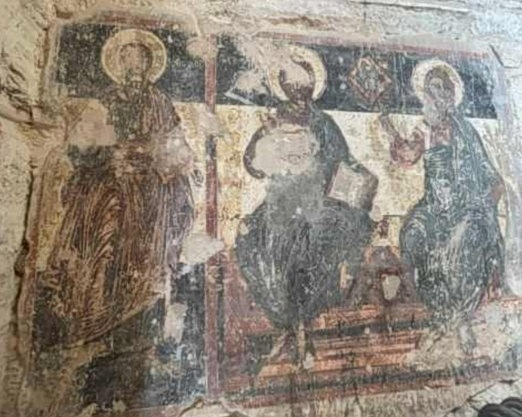
While the church’s celebrated mosaics date to the 11th century, most of the surviving wall paintings belong to a later period, probably the 17th century. They replaced earlier marble revetments in the lower sections of the church. Fresco fragments have survived along the side walls, on the southwestern pier supporting the dome, and in the Prothesis, Diaconicon and monastery chapels.
The paintings are considered works of considerable artistic quality, reflecting the post-Byzantine religious painting tradition, but have suffered extensive deterioration and successive restoration interventions.
Extensive conservation work planned
A conservation study has identified detachment of painted and underlying layers, cracks, deteriorating plaster, flaking and losses of painted surfaces, as well as moisture damage.
Accumulated soot and dust, inappropriate color retouching and materials used in earlier restoration work have further affected the condition and appearance of the paintings.
The planned interventions include consolidating weakened and detached layers, removing inappropriate later additions and cleaning the surfaces of salts, dust, soot and other deposits. Aesthetic restoration will address limited areas of paint loss, with work tailored to the specific condition of each section and guided by scientific documentation.
Safeguarding a major Byzantine monument
The fresco restoration forms part of a wider programme covering the protection and enhancement of the monastery, including interventions addressing fire safety, structural deterioration, moisture and seismic risks.
Culture Minister Lina Mendoni has stressed the importance of preserving the monument’s authenticity through scientifically documented interventions and contemporary conservation methods.