 Μake us preferred on Google
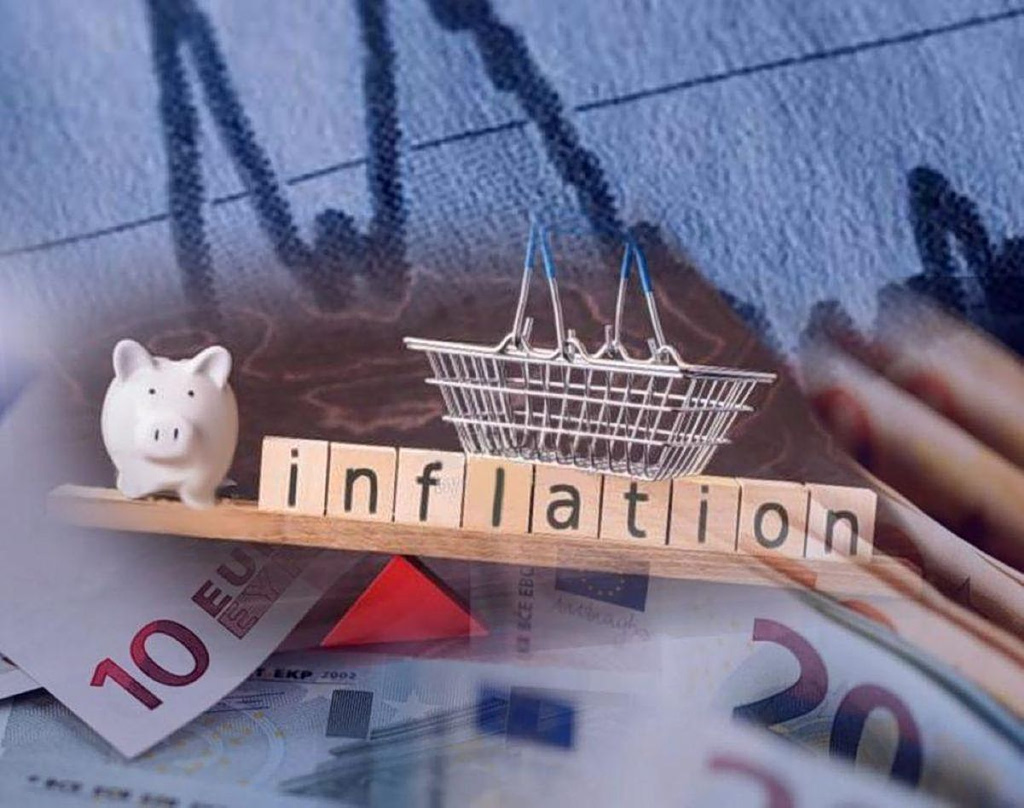
 Inflation is accelerating once more in Greece, with preliminary pricing data from the Hellenic Statistical Authority pointing to an annual rate between 4.9% and 5% in April, up sharply from 3.9% in March.
Rising fuel and energy costs, more expensive transport services, and persistent increases in the price of basic food staples are combining to create a climate of sustained inflation, further eroding purchasing power and forcing households to curb spending.
According to market analysts and government officials, consumer pressures are expected to intensify in the coming months, as there are few signs that the current wave of price increases will ease anytime soon. April’s inflation reading is already drawing comparisons with the energy-driven price shock of 2023, fueled by higher diesel and gasoline prices, soaring transportation costs — particularly air travel — increased electricity tariffs, and broad-based hikes across the food sector.
Eurostat data has already highlighted the scale of the rebound. Greece’s harmonized inflation index jumped to 4.6% in April from 3.4% a month earlier, largely driven by a dramatic 21.9% surge in energy costs.
Against this backdrop, the government’s economic team is keeping a fiscal buffer of roughly 200 million euros available for additional support measures, with the continuation of diesel fuel subsidies emerging as a key priority.
Inflation forecasts have also been revised upward. The Finance Ministry now expects inflation to average 3.2% in 2026, compared with an earlier estimate of 2.2%. Similar revisions by the Bank of Greece and the International Monetary Fund reinforce expectations that price pressures will prove more persistent than initially anticipated.
Consumer sentiment is increasingly strained, with recent IELKA findings pointing to widespread anger, anxiety, and uncertainty among households. In response, consumers are cutting back on non-essential spending, delaying clothing and leisure purchases, and shifting toward cheaper alternatives.
Around 42% are actively seeking discounts, 40% are trading down, and 36% are even reducing essential purchases. Beyond everyday consumption, rising energy, fuel, and housing costs are placing sustained pressure on household budgets.