 Μake us preferred on Google
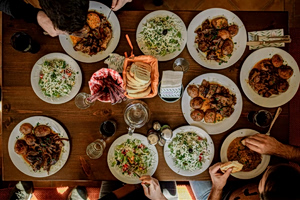
 For two days, from May 1 to 3, the small town of Gatlinburg, Tennessee, home to just 3,577 residents, buzzed with the energy of Meatstock, a conference dedicated to promoting all-meat eating, which drew more than 1,400 attendees. With tickets ranging from $295 to $1,995 depending on which events participants chose to attend, attendees had the chance to meet in person the leading figures of the carnivore diet movement — a way of eating based primarily, or exclusively, on animal products, with fruits and vegetables entirely off the menu.
The Anti-Vaccine Health Secretary Who Eats Only Meat
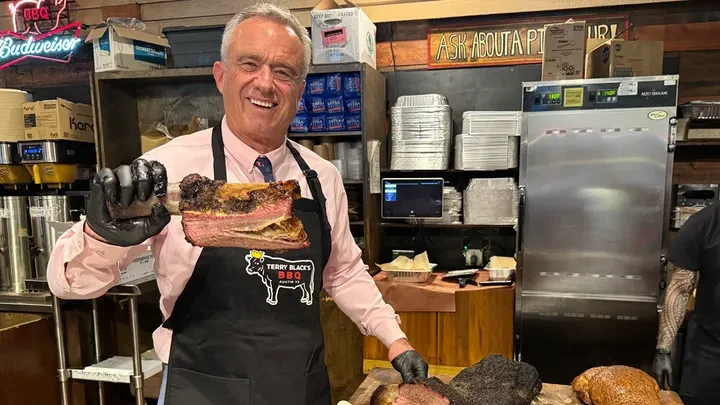
One might assume this is yet another passing trend that got its start on social media platforms. But this is also the diet followed and actively promoted by the U.S. Secretary of Health, Robert F. Kennedy Jr., a well-known critic of vaccines and conventional medicine who has been accused by scientists of putting Americans’ health at risk.
Flipping the Food Pyramid Upside Down
For decades, doctors have urged the public to cut back on red meat, given the scientifically well-established fact that excessive meat consumption raises cholesterol levels and increases the risk of cardiovascular disease. It is equally well-established that consuming fruits and vegetables is essential, as it contributes, among other things, to the prevention of chronic illness.
Although hardcore carnivore dieters currently represent a relatively fringe community, their views are gaining increasingly mainstream acceptance, helped in no small part by RFK Jr., the driving force behind the MAHA movement (“Make America Healthy Again”), who believes that an all-meat diet is the key to eliminating dangerous body fat.
The U.S. Secretary of Health has gone so far as to present an upside-down version of the traditional food pyramid, one in which meat sits at the top, displacing fruits and vegetables.
RFK Jr.’s unorthodox dietary views are resonating with far more Americans than just the 1,400 who attended the carnivore conference in Tennessee. Much like the anti-vaccine community during the COVID-19 pandemic refused to get vaccinated, the carnivore followers of the U.S. health secretary are pushing to replace prescription medications with larger quantities of beef, and are framing conventional medicine as a profit-driven system that exploits patients.
The World’s Protein Obsession
The carnivore diet is simply the extreme end of a global protein craze. Meat is high in protein, while fruits and vegetables contain relatively little, and in any supermarket across the Western world, higher-protein products are flying off the shelves: cereals, snacks, yogurts, and even coffee products now come in protein-enriched versions. The food industry is scrambling to keep up with consumer demand, with surveys suggesting that 70% of people actively try to consume more protein.
The Protein Mania That Started in the 2000s
This protein obsession didn’t appear out of nowhere in 2026. In the early 2000s, carbohydrates came under fire. Widely blamed as the primary cause of weight gain, they were cast as dietary villains. Protein, by contrast, became the “safe” alternative, and people began associating it with fat loss. Then, throughout the 2010s — which coincided with the explosion of social media — gym culture boomed. Influencers and athletes began promoting high-protein diets, and protein powder consumption stopped being exclusive to elite athletes. At the same time, social media feeds filled up with images of lean, muscular bodies, held up as the ultimate physical ideal. The result was a complete cultural equation of protein with muscle, strength, and good health.
By the 2020s, protein obsession led to many people, and particularly younger generations, including teenagers and even children, prioritizing protein intake at the expense of a well-rounded, balanced diet.
The War on Ultra-Processed Foods
In the United States, RFK Jr. is also waging a parallel battle against so-called “ultra-processed” foods, which he labels “poison” and advocates removing from everyone’s diet, especially children’s. Kennedy is facing significant pressure from MAHA movement supporters on this front; the movement was widely credited with contributing to Donald Trump’s re-election in 2024.
A Politico poll from April found that eliminating ultra-processed foods from Americans’ diets is a core priority for those who identify as MAHA supporters.
For months, the U.S. Secretary of Health has been promising to clarify the exact definition of what constitutes an “ultra-processed” food — one of the movement’s central demands. In mid-April, RFK Jr. testified before Congress that the Food and Drug Administration (FDA) had already circulated a working definition to other agencies, including the Department of Agriculture.
However, health officials told the New York Times that agreeing on a precise definition of “ultra-processed food” remains an extraordinarily difficult task. The responsible agencies have been unable to reach a consensus, and it remains unclear when, if ever, an official definition will be announced.