 Μake us preferred on Google
 Greece is running out of freshwater in places that, historically, never imagined they would have to worry about it. The problem is not only drought. It is salinization: the slow invasion of seawater into aquifers and soils after decades of overpumping, chaotic irrigation practices, tourism pressure, and climate stress. Across the country, from Halkidiki to the Peloponnese and from Thrace to the Aegean islands, salt is quietly reshaping the geography of water.
The phenomenon is already severe in parts of Halkidiki. Coastal aquifers that once supplied villages, hotels, and farms are now increasingly brackish. Groundwater levels have fallen dramatically due to aggressive abstraction for agriculture, tourism infrastructure, and residential expansion. Heatwaves and lower rainfall have accelerated the decline. In some areas, freshwater tables have dropped more than ten meters, allowing seawater to migrate inland. Wells that once produced drinking water are now unusable.
The Argolid Plain in the Peloponnese presents one of Greece’s oldest and most classic cases of seawater intrusion. Since the 1950s, intensive irrigation for citrus, olives, and horticulture created chronic overexploitation of groundwater reserves. By the 1960s, chloride concentrations in wells had already begun to rise. Entire boreholes were eventually abandoned. What happened in Argolid is essentially a preview of what may happen elsewhere in Greece if extraction continues unchecked.
Northern Greece is also increasingly vulnerable. In the Nestos River Delta, decades of poor drainage and irrigation with already saline groundwater have degraded both soils and aquifers. Large areas now show elevated sodium and salt concentrations, reducing agricultural productivity and damaging soil structure. Nearby, in the Axios Delta near Thessaloniki, salinization is linked not only to groundwater pumping but also to river mismanagement. During irrigation periods, freshwater flows into the delta decrease, allowing seawater to intrude into wetlands and agricultural land.
In Rhodope, farmers have already adapted under pressure. Soil salinity increases progressively during the irrigation season, forcing shifts toward more salt-tolerant crops such as cotton. Meanwhile, on islands such as Samos and Lesvos, limited rainfall and explosive summer tourism demand are placing extraordinary pressure on already fragile aquifers. Coastal wells increasingly show clear signs of seawater intrusion.
The causes are remarkably consistent across Greece. Excessive groundwater abstraction remains the primary driver. Tourism amplifies summer demand exactly when water availability is lowest. Agriculture still relies heavily on inefficient irrigation systems in many regions. Climate change compounds everything by reducing recharge and prolonging drought periods. Salinization is therefore not an isolated environmental issue. It is a structural water-security problem. The solutions must also be structural.
The first line of defense is demand reduction. Greece still loses enormous amounts of water through outdated irrigation practices and leaking infrastructure. Transitioning to drip irrigation, precision agriculture, reuse of treated wastewater, and tighter groundwater regulation could significantly slow seawater intrusion. Managed aquifer recharge, using winter floodwaters or treated water to replenish depleted aquifers, could become essential in coastal regions.
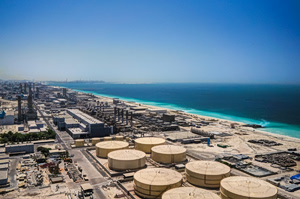
In many places, conservation alone will no longer be enough. Desalination is increasingly becoming unavoidable for parts of Greece, especially islands and tourism-heavy coastal zones. Reverse osmosis technology has matured significantly over the past two decades, with energy consumption dropping below 3 kWh/m³ in modern seawater systems. Renewable-powered desalination, particularly solar-coupled RO, is now technically and economically viable for many Greek islands.
Yet desalination is not a silver bullet. If poorly managed, it simply transfers the environmental burden from depleted aquifers to the marine environment through concentrated brine discharge. This is where Greece has an opportunity to move beyond conventional desalination and into circular water systems. Brine management may become one of the country’s most strategic technological sectors. Instead of treating desalination concentrate as waste, emerging projects in Greece are exploring recovery of magnesium, potassium, and other minerals from brine streams for fertilizer and industrial use. In effect, desalination plants could evolve into combined water-and-resource recovery facilities.
This matters because Greece’s water crisis is no longer theoretical. Salinization is already altering agriculture, tourism economics, and regional resilience. The old assumption that groundwater reserves would always recover after winter rains is collapsing under climate pressure and uncontrolled extraction. The next decade will determine whether Greece adapts proactively or manages decline reactively. Water infrastructure, desalination, aquifer restoration, wastewater reuse, and brine valorization are no longer niche environmental discussions. They are rapidly becoming questions of national resilience, economic stability, and long-term geopolitical security.