 Μake us preferred on Google
How much each member state should contribute, how much should go toward defense and competitiveness, and how much should be reserved for farmers and regions remain questions on which European capitals continue to disagree.
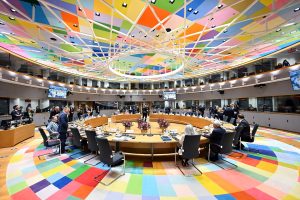
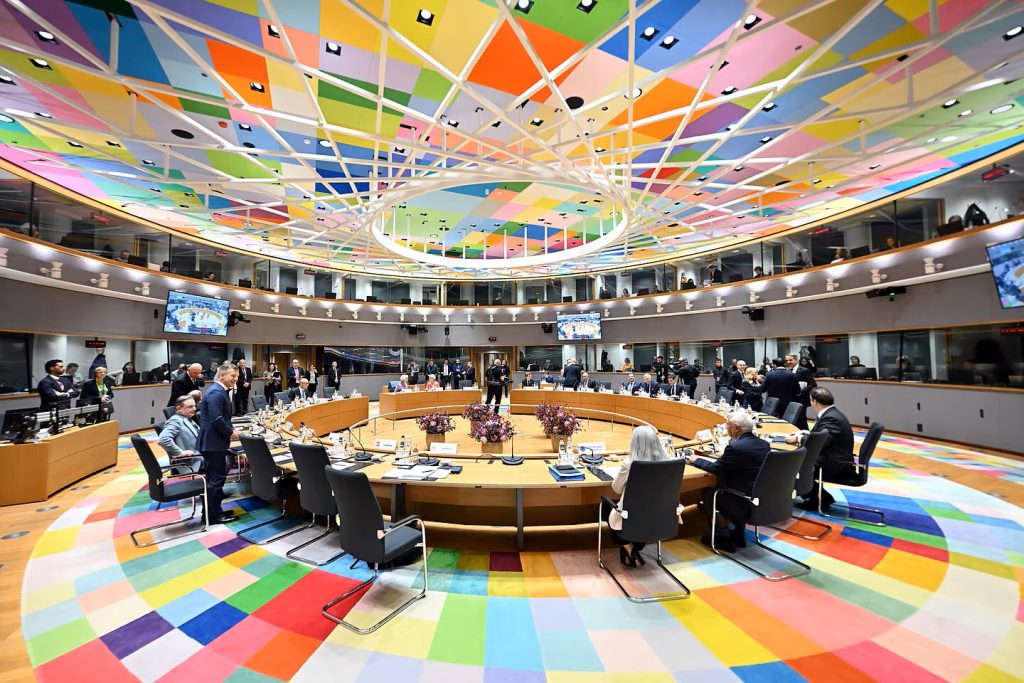
By late Thursday night, it appeared that EU leaders would not hold another meeting on Friday, with their next gathering instead expected to take place on December 17.
The disagreements
Costa sought to combine funding for the EU’s new priorities with the preservation of resources for cohesion policy and the Common Agricultural Policy (CAP), while also keeping national contributions in check.
The so-called “frugal” states are pushing for a smaller budget and greater emphasis on defense, innovation and competitiveness. The 17 countries in the Friends of Cohesion group, which includes Greece, oppose cuts and are calling for adequate funding for agriculture and regional development.
German Chancellor Friedrich Merz said Costa’s proposal could not serve as the basis for an agreement, while Hungarian Prime Minister Péter Magyar struck a pessimistic note, questioning whether a compromise could be reached even before Christmas.
The disagreement now extends to the timetable. French President Emmanuel Macron is pressing for an agreement before the end of the year, while the Netherlands and Sweden are questioning the December deadline.
For Athens, the December 17–18 summit is a key political milestone. Greek Prime Minister Kyriakos Mitsotakis has described reaching an agreement at that meeting as imperative, arguing that political developments in several member states will make securing unanimity in the first half of 2027 almost impossible.
Funding for Ukraine has also been added to the budget negotiations. The European Commission has proposed additional support of up to €45 billion for 2027. Germany is linking an agreement on the seven-year budget to the participation of all member states in financing Ukraine, while Slovakia, the Czech Republic, Hungary and Bulgaria have voiced objections.
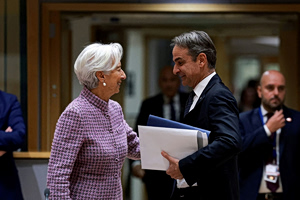
The renewal of the European Central Bank’s leadership is also on the agenda of the special summit.
Government officials, assessing the discussions, said: “Today’s talks highlighted the significant differences between member states. It would not be realistic to expect these differences to be bridged at a single summit. It is clear that we still have a long way to go before reaching an agreement.”
Mitsotakis’ message
Mitsotakis welcomed Costa’s efforts to bridge the differences but made clear from the outset how far Athens was prepared to compromise.
“We cannot talk about a strong Europe with a weak budget,” he said upon his arrival in Brussels.
The Greek government is seeking adequate resources for competitiveness, energy, the protection of the EU’s external borders, security and strategic autonomy. At the same time, it rejects further cuts to cohesion funding and the Common Agricultural Policy, which the prime minister described as policies enshrined in the EU treaties and connecting the bloc with the everyday lives of its citizens.
Mitsotakis reiterated the same argument later in a post on X, this time focusing on the Draghi report. If cuts continue, he warned, the report and its ambitions for European competitiveness will end up “in the dustbin of European history.” For Athens, the investments envisaged in the report require greater financing capacity at the EU level.
Greece’s proposal for generating new revenue is a joint European auction of 6G radio spectrum, with the proceeds becoming an EU own resource — a source of revenue belonging directly to the bloc. According to Mitsotakis, several European leaders have initially received the idea positively.
Athens says it is also open to other sources of EU revenue, with the aim of preserving the bloc’s capacity to invest without imposing a disproportionate increase in national contributions.