 Μake us preferred on Google
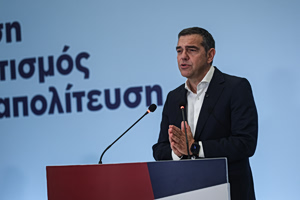
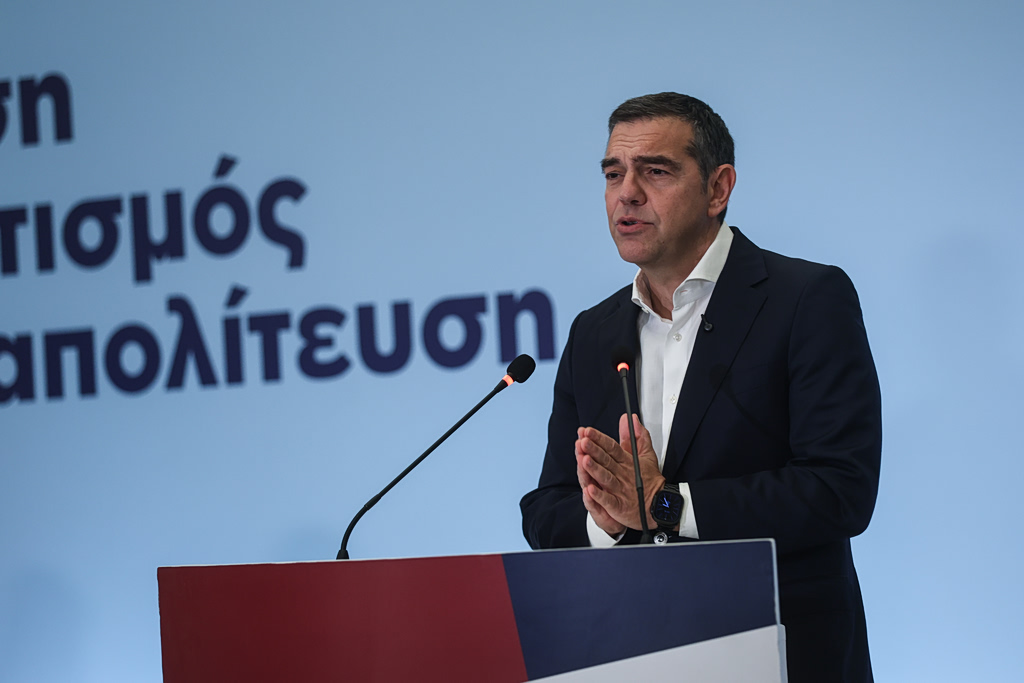
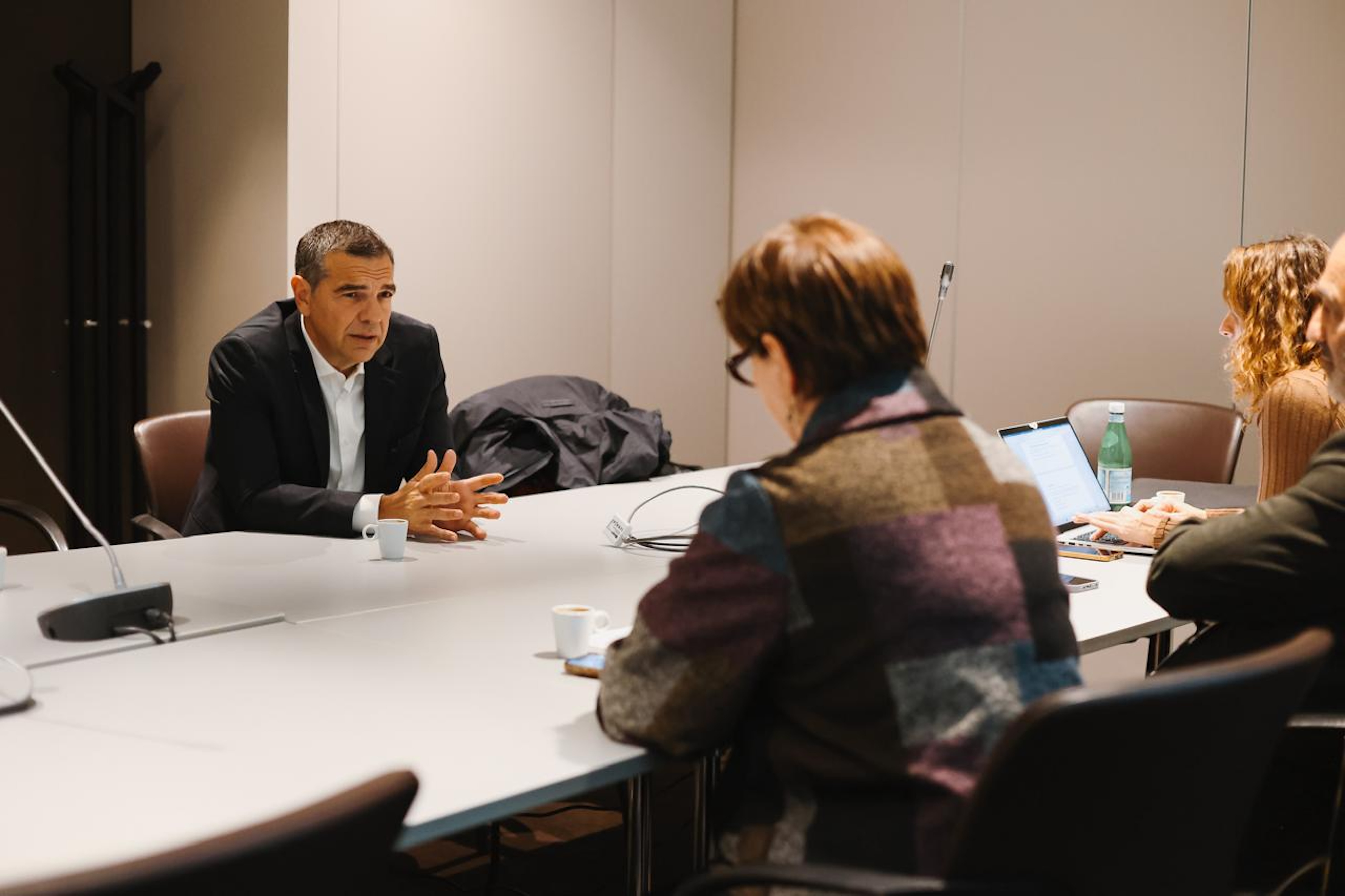
Alexis Tsipras launched pointed criticism at Kyriakos Mitsotakis’s government, focusing on high prices, shrinking purchasing power and social inequality, in an interview from Paris with Mega News and journalists Andreas Papadopoulos and Maria Asteriou.
The former prime minister described the heavy pressure on Greek households, arguing that the economic reality in Greece is much harder than in France, despite the social unrest taking place there. “In Greece, we have Bulgarian wages but French prices,” he said, highlighting the gap between incomes and the cost of living.
Tsipras linked the rise of the far right in Europe to the policy choices of European leaders and stressed that social protest needs a political outlet and a concrete alternative proposal. He also repeated the need for cooperation among progressive forces in Greece, stressing that “their opponent should be the right, today New Democracy,” and not each other.
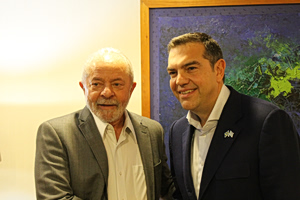
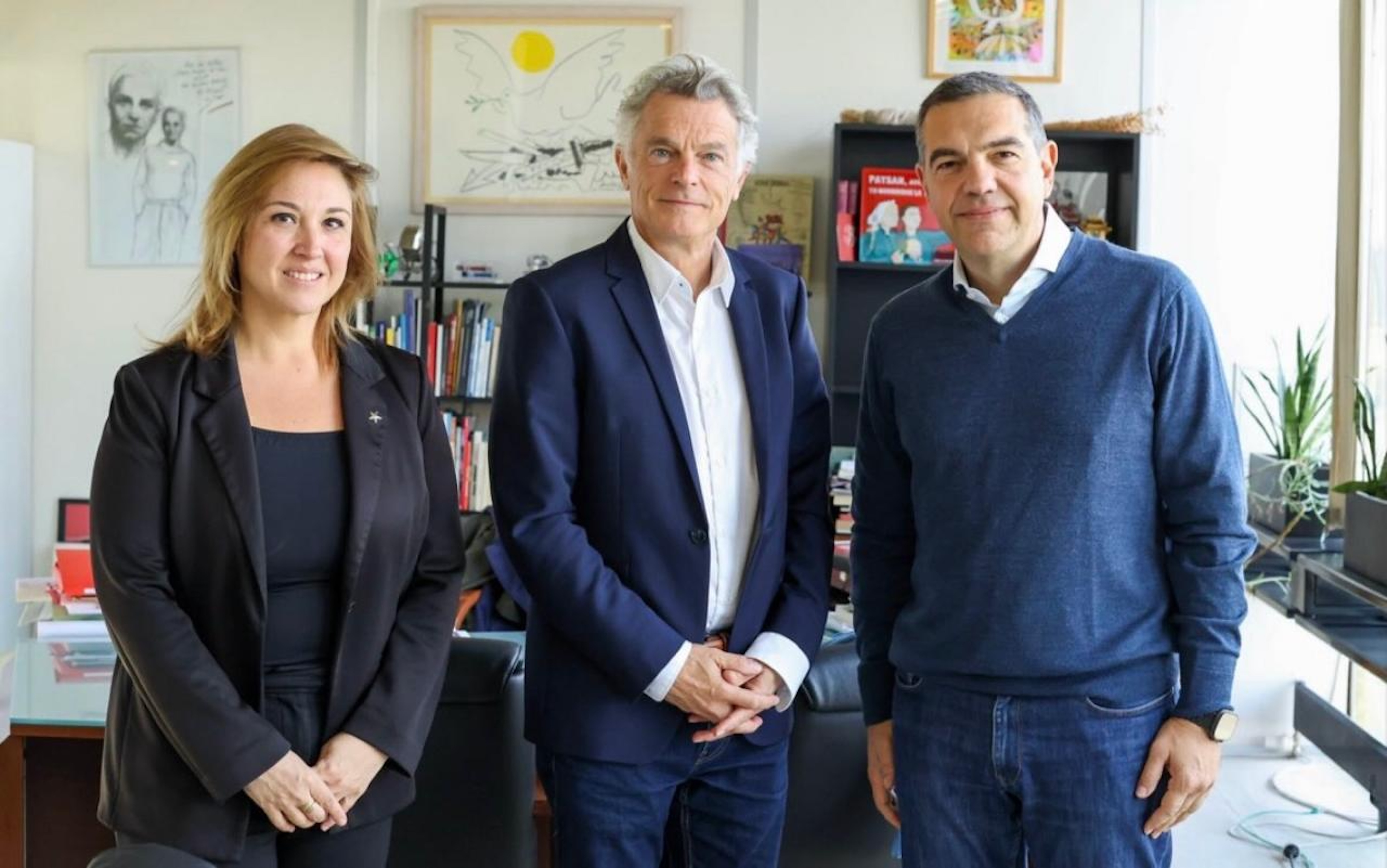
Alexis Tsipras is in Paris, where he is holding a series of meetings with leaders of progressive political parties, as well as with Sophie Binet, Secretary-General of the French General Confederation of Labour (CGT). The meetings are part of ongoing discussions and initiatives aimed at strengthening cooperation among progressive forces across Europe.
Thursday, November 5, 2026 (Hellenic Police Press Office / EUROKINISSI)
Criticism on the Economy and High Prices in Greece
The former prime minister was especially sharp when comparing the economic situation in Greece with that of France. He said that during visits to French supermarkets, he found prices similar to or even lower than those in Athens, while wages in France are significantly higher.
Citing cost-of-living data, he said the average salary in France is 44,000 euros, compared with 19,000 euros in Greece. He also pointed to the share of income spent on housing, noting that it reaches 35% in Greece, compared with a European average of about 18%.
Referring to energy poverty, he said that nearly one in five Greeks will not be able to heat their homes this winter, compared with about 8% in Europe.
“The situation in Greece is much, much worse than in France,” he said, adding that social issues and the economy should be at the center of political debate.
“In Greece, we have Bulgarian wages but French prices,” Tsipras stressed.
In the same context, he criticized the banking system, comparing the gap between deposit and lending rates in Greece and France. He said the gap is about one percentage point in France, while in Greece it reaches 2.76%.
He also accused the government of failing to deal effectively with cartels and of allowing banks to keep benefiting from the deferred tax system. He argued that this practice should end, instead of being extended until 2035.
“The Opponent of Progressive Forces Must Be the Right”
On the political front, Tsipras renewed his call for a policy-based understanding among progressive forces, making clear that the confrontation should not be between parties of the same political space.
“The opponent of progressive forces must be the right. Today, it must be New Democracy and Mr. Mitsotakis, not one political force against another,” he said.
He admitted that such an understanding is extremely difficult, even unlikely, before the elections, but said he will continue to argue for a policy dialogue aimed at changing the policies currently being implemented.
The former prime minister also compared the social situation in Greece with that in France, arguing that Greek citizens face even greater pressure in their daily lives, despite the smaller scale of protests.
The Message From the Paris Protests and the Rise of the Far Right
Referring to the protests taking place in France, Tsipras stressed that mass social mobilization is part of democracy, drawing a distinction between peaceful demonstrations and the actions of small groups that can distract from the main message of the protests.
He said that while attending a demonstration in Paris, he saw tens of thousands of people, mostly young, who were taking part peacefully, singing and demanding a better future.
He also warned of the dangers posed by the rise of the far right in France and Germany, noting that social inequality and economic insecurity create fertile ground for its growth.
Referring to Marine Le Pen, he said a possible victory for her would mark a major change for Europe, arguing that the far right presents itself as anti-establishment while in reality serving big economic interests.
He said, however, that in the second round of the French presidential election, democratic and progressive forces could unite against the far right.
“The Economy Decided the US Elections”
Tsipras also linked economic discontent to the outcome of the US elections, saying that high prices and the burden on households were decisive factors in the Republicans’ defeat.
“It’s the economy, stupid,” he said, citing the well-known phrase associated with Bill Clinton to stress that the economy is the main factor shaping how citizens vote.
He said the same will happen in upcoming elections in European countries, warning that progressive forces should not allow the far right to exploit social discontent by shifting the blame onto the most vulnerable.
He also referred to the recent killing of a migrant in France, which he linked to xenophobic rhetoric and the strengthening of a far-right climate.
“Worry When There Is No Social Ferment”
Asked why protests in Greece are not as large as those in France, the former prime minister said that the absence of strong social reactions does not necessarily mean an absence of discontent.
“You should worry if there is no social ferment,” he said, comparing social discontent to seismic pressure that builds up when it is not released.
He said that when social reaction finds no outlet, much larger social explosions may follow, with results no one wants.
He expressed his belief, however, that young people in Greece have political and social awareness, even if they appear detached from the image politicians project today.
“They have opinions, they have social sensitivities, and I believe, I am certain of it, that they want, they are demanding and they will demand a better future,” he said.
His Position on the Greece-Cyprus Electricity Interconnection
Finally, referring to the tension surrounding the Greece-Cyprus electricity interconnection, Tsipras described Turkey’s stance as provocative and argued that, under the international Law of the Sea, no permission from a neighboring country is required to lay an undersea power cable.
He also criticized the Greek government’s handling of the issue, asking why the necessary steps had not been taken a year earlier, when Turkish warships had blocked the laying of the cable near Kasos.
He expressed hope that the matter will be resolved smoothly, stressing the importance of the project for both countries and recalling that its planning began during his term as prime minister, under the name Eurasia Interconnector.