 Μake us preferred on Google
Gyros is one of Greece’s most iconic street foods. But behind the familiar sight of meat slowly turning on a vertical spit lies a reality that few consumers ever see.
An exclusive investigation by To Vima, conducted as part of the This Is Gyros project, has exposed disturbing conditions at 27 pig farms across Greece, documenting animal suffering, questionable waste disposal practices and what investigators describe as a lack of effective government oversight.
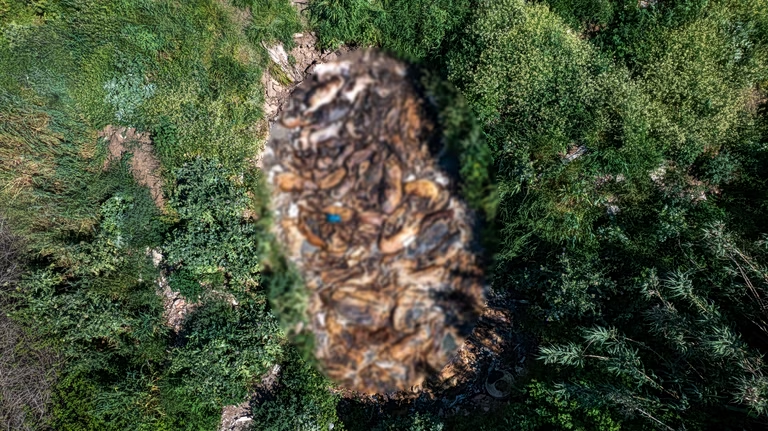
The investigation, conducted by animal welfare initiative REthink ANIMALS in collaboration with UNLOCKED, has brought to light footage from pig farms in Western Greece, Thessaly, Central Greece and Central Macedonia. For the first time, To Vima has published exclusive documentation revealing conditions that raise serious questions not only about animal welfare but also about environmental protection and public health.
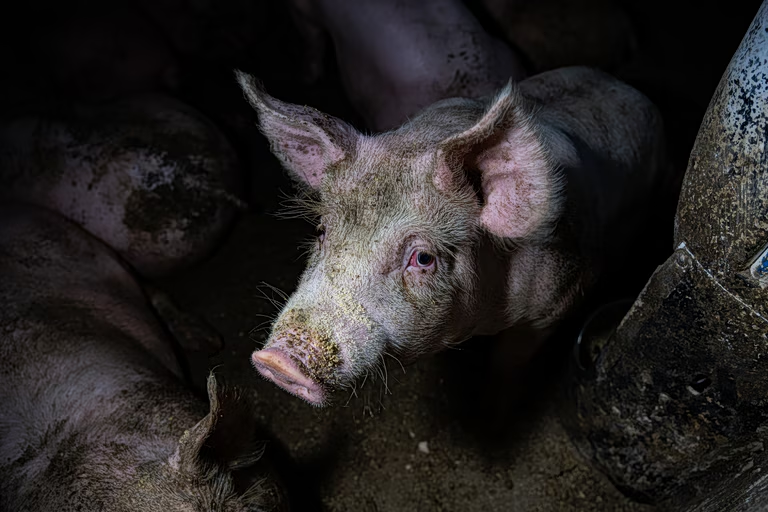
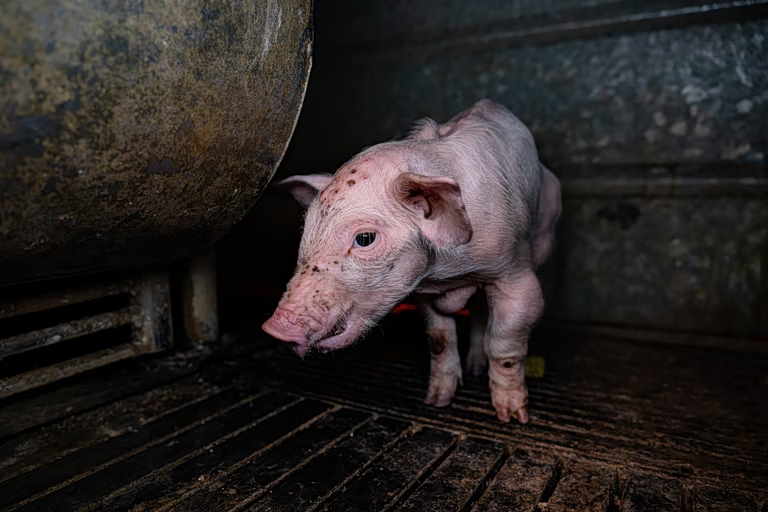
The findings paint a troubling picture: pits containing dozens of dead pigs, their carcasses being eaten by dogs and birds; animals suffering from serious health problems; mother pigs confined to gestation and farrowing cages; and pigs kept in spaces so restricted that they cannot move around or lie down properly.
The investigation also documented concerns over the handling of dead animals and farm waste, highlighting potential environmental and public health risks.
An independent scientific assessment of part of the footage identified findings consistent with possible violations of European Union legislation, warranting an official investigation. The evidence has now been submitted to the relevant authorities.
Activists call for answers and accountability
Following the revelations, REthink ANIMALS, in collaboration with Animal Advocacy & Food Transition (AAFT), has filed reports and complaints with the relevant authorities, demanding answers and concrete action.
The organizations are now taking their campaign to the streets. On Sunday, November 8, from 4 p.m. to 6 p.m., they will hold a public awareness event at Syntagma Square in central Athens, inviting members of the public to learn about what happens behind the production of Greece’s much-loved gyros.
Participants will hold placards displaying actual images documented during the This Is Gyros investigation, bringing the conditions inside the farms into public view.
Petition demands answers from Greek government
The demonstration will also include a petition drive calling on the Greek government to investigate the findings and explain what action it intends to take.
Volunteers will collect signatures in support of an open letter addressed to the ministers of Rural Development and Food and of Environment and Energy.
The organizations are calling on the two ministries to work together, within their respective areas of responsibility, to:
- Conduct a thorough investigation into the findings.
- Make the results of official inspections publicly available.
- Strengthen the protection of animals and the environment.
- Support a transition toward plant-based food production.
The campaigners say they are waiting for answers from the authorities and want more than assurances that the allegations will be examined. They are demanding transparency, accountability and meaningful change.
Who is monitoring the inspectors?
At the heart of the campaign is a fundamental question: who monitors those responsible for enforcing the rules?
The organizations argue that the state must not only carry out inspections but also be held accountable for how those inspections are conducted and what they uncover.
Finding out what happened inside the farms is only the first step. The public also deserves to know what will change as a result.
And there is one final, sobering reminder behind the campaign: the animals shown in the images may no longer be alive, but others have already taken their place.
The investigation raises a question that goes beyond the food on our plates: what responsibility do authorities, producers and consumers share for the conditions behind the products we eat?