
 Μake us preferred on Google
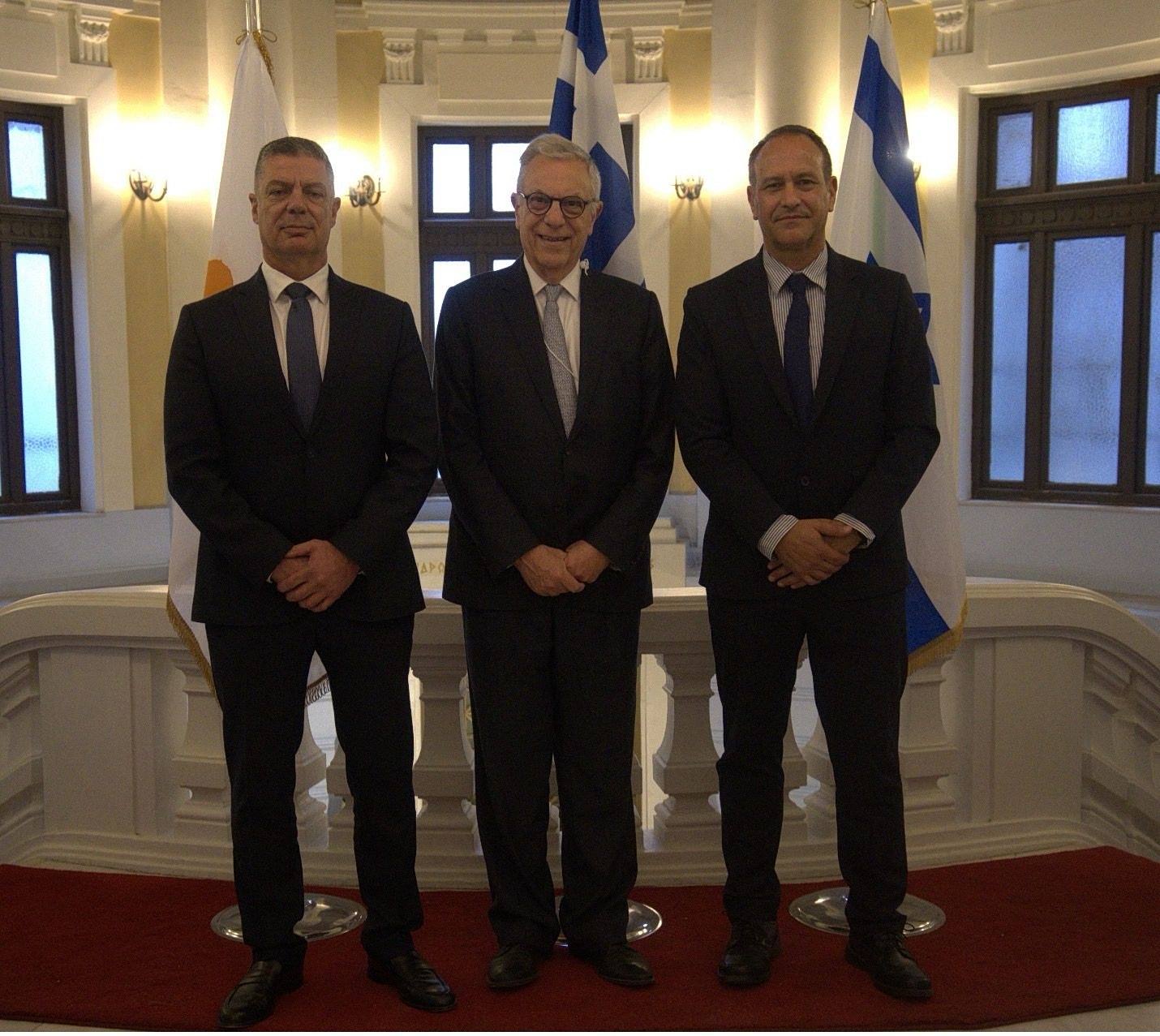
The position was set out in a joint statement following a trilateral meeting in Athens on Thursday attended by the directors of defense policy of the three countries and other senior officials.
The meeting focused on strengthening defense cooperation and addressing common security challenges in the eastern Mediterranean and the wider region. The three sides reaffirmed that defense cooperation was a central pillar of their trilateral partnership, established on the basis of the joint declaration adopted at the leaders’ summit in Jerusalem on Dec. 22, 2025. They also reiterated an invitation to other like-minded partners to join the framework.
Discussions covered regional security assessments, defense industry cooperation and innovation, maritime security, the protection of vital shipping routes and critical infrastructure, disaster preparedness, emergency response and civil protection.
The three countries agreed to explore ways of translating their shared strategic interests into practical cooperation through professional exchanges, joint initiatives and regular communication between their competent authorities.
Particular emphasis was placed on expanding cooperation between their defense industries, including opportunities for joint development, production and technological cooperation. The delegations also discussed establishing a trilateral defense industry working group to strengthen collective capabilities, improve interoperability and reinforce the industrial foundations of their security partnership.
The sides identified terrorism, the proliferation of advanced weapons and destabilizing activities by state and non-state actors among their common security concerns. They agreed to strengthen coordination in responding to emerging threats and improving regional resilience.
Maritime rights and the Cyprus issue
The joint statement also emphasized the importance of upholding the law of the sea, as reflected in customary international law, and respecting internationally recognized principles governing maritime rights and jurisdiction.
The three countries reaffirmed their support for the sovereignty, independence and territorial integrity of the Republic of Cyprus, in accordance with relevant UN Security Council resolutions and international law. They also opposed unilateral claims, coercive practices, threats of force and destabilizing military buildups, stressing that no country in the region should serve as a base for actions threatening regional security.
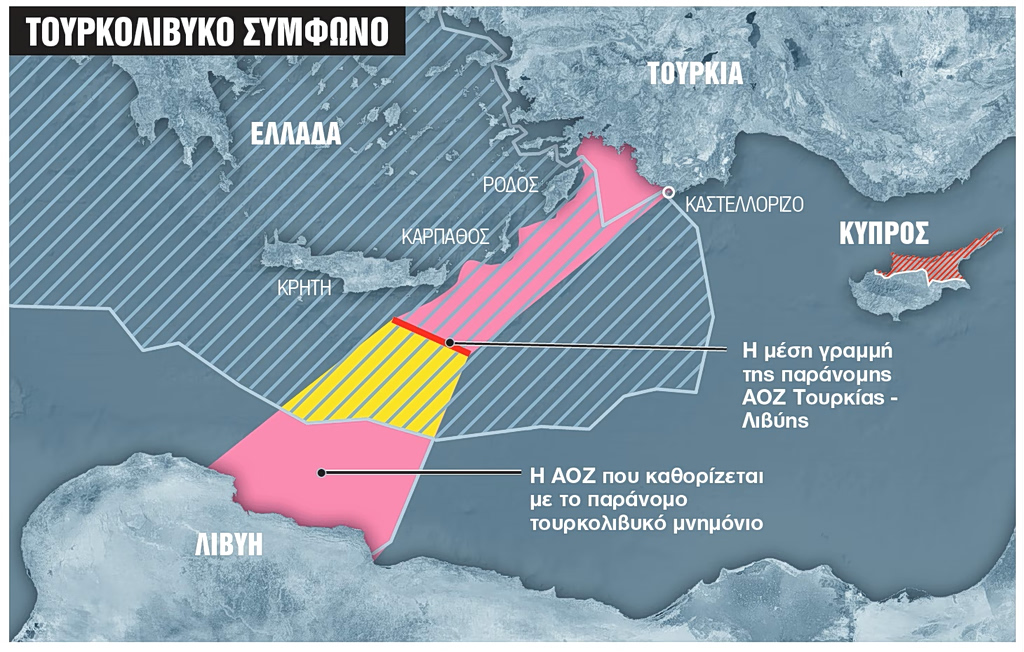
On the Turkey-Libya memorandum, the three defense ministries specifically referred to the agreement signed in 2019 between Turkey and Libya’s then internationally recognized Government of National Accord (GNA), which was approved by Libya’s eastern-based House of Representatives on Oct. 20, 2026.
The eastern parliament’s approval reversed its previous opposition to the agreement.
Athens, Nicosia and Cairo have rejected the move, arguing that the memorandum disregards the maritime entitlements of Greek islands, particularly Crete and islands in the southeastern Aegean. The three defense ministries said the agreement infringes on the sovereign rights of third states and cannot produce legal consequences for them. This represents their joint legal and diplomatic position, which is disputed by Ankara and Tripoli.
The delegations also highlighted energy cooperation as an important component of regional stability, opposing attempts to obstruct it in violation of international law. They stressed the importance of freedom of navigation and protecting critical infrastructure and energy supply routes linking Europe, the eastern Mediterranean and the Middle East.
The statement described the trilateral partnership as a framework for strategic coordination based on shared democratic values and complementary interests, contributing to regional security and closer links between Europe and the Middle East.
Greece-Israel strategic partnership
Greece and Israel have considerably expanded their bilateral relationship over the past decade, with defense, security, energy and technology cooperation becoming its principal pillars. The relationship has acquired greater strategic significance amid tensions involving Turkey and competing maritime and energy interests in the eastern Mediterranean.
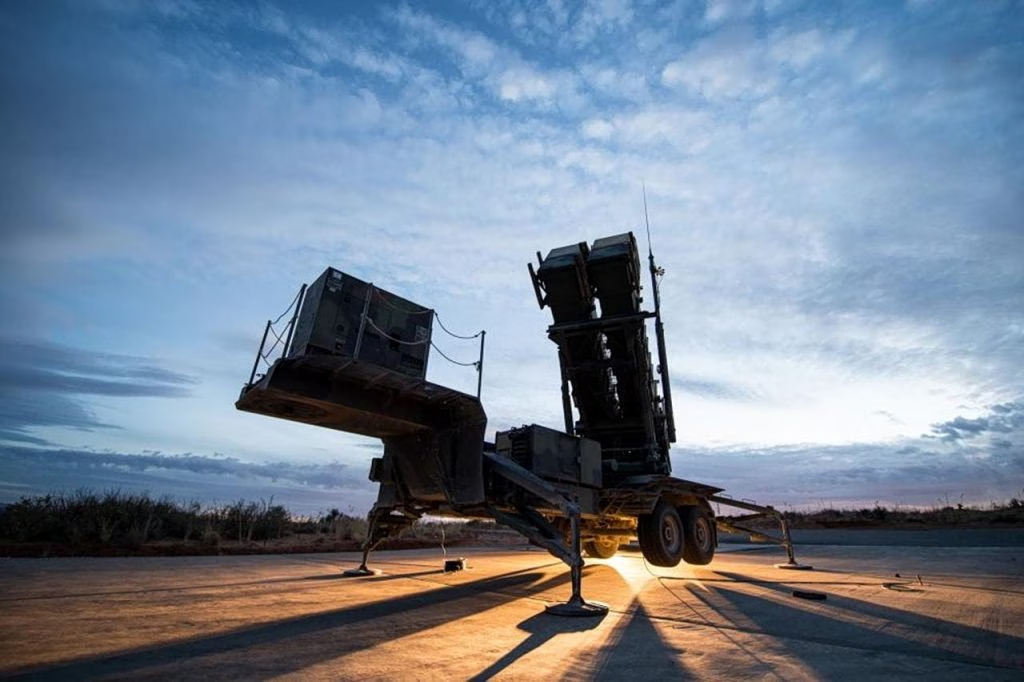
A major recent development was the signing in August of an agreement worth approximately three billion euros for the Israeli-designed Achilles Shield, a multilayered air-defense system intended to protect Greece against aircraft, missiles and drones.
The agreement, one of the largest defense exports in Israel’s history, includes Israeli systems and envisages cooperation between the two countries’ defense industries. Other initiatives include the supply of PULS rocket artillery systems, military exercises and exchanges of operational expertise. The bilateral relationship also extends to energy interconnections, maritime security and the wider Greece-Cyprus-Israel-US 3+1 framework.
The political dimension has also become more prominent, as Athens has emphasized that its strategic partnership is with the state of Israel rather than any particular government. Greece also maintains that closer ties with Israel do not come at the expense of its relations with Arab countries or the Palestinian Authority.