 Μake us preferred on Google
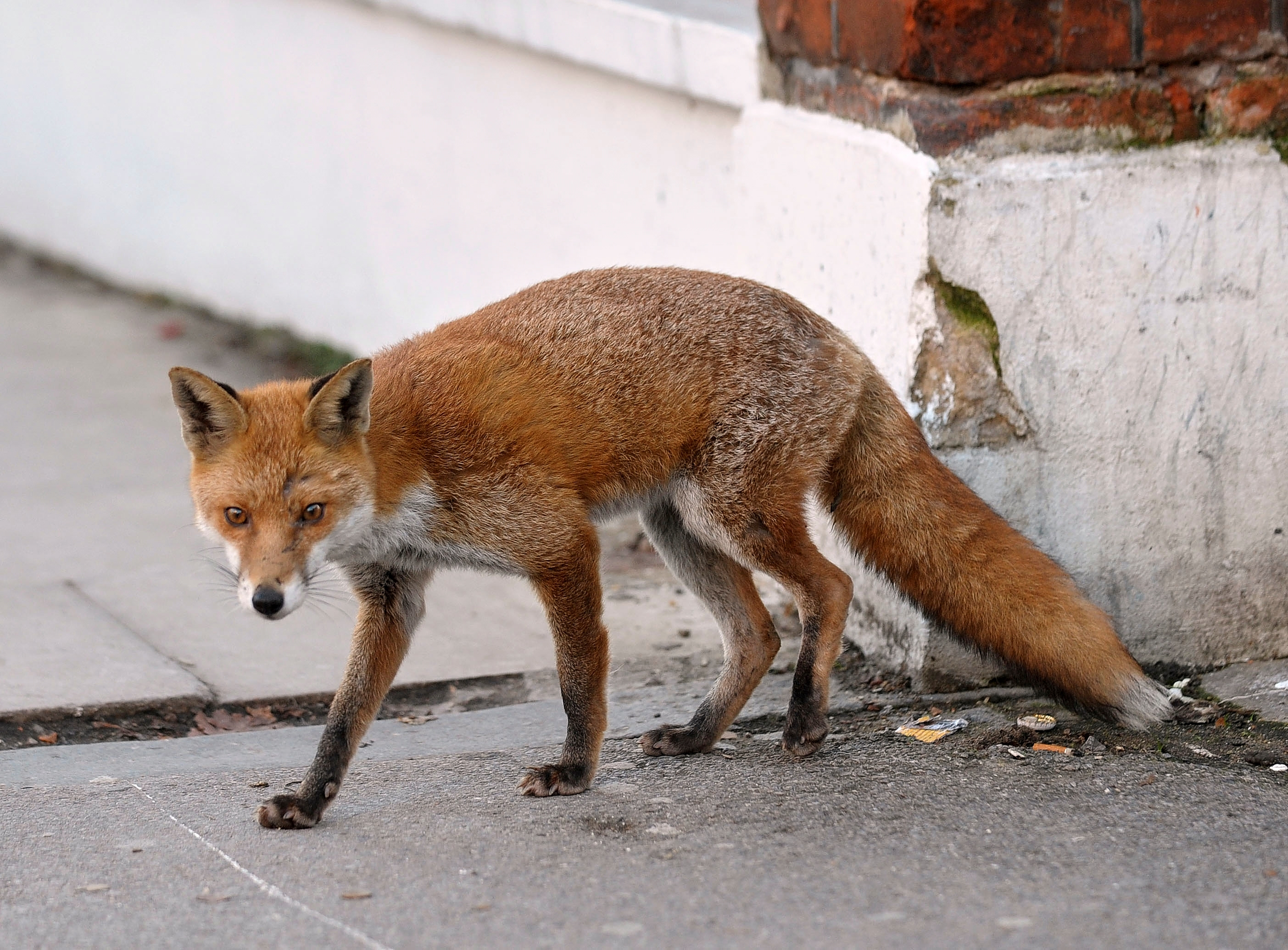
 Foxes are being spotted with growing frequency in cities across Greece, prompting wildlife experts and public health authorities to remind residents that, despite their familiar appearance, they remain wild animals and should not be approached or fed.
The warning follows a series of recent incidents, including two attacks last month at the Agiokampos beach, in central Greece, where a 17-year-old girl and a woman were bitten by a fox on separate occasions. The teenager received medical treatment and preventive anti-rabies therapy.
According to wildlife rescuers, reports of foxes entering urban neighborhoods have become an almost daily occurrence, with sightings recorded across Athens as well as in Thessaloniki, Volos and Alexandroupolis.
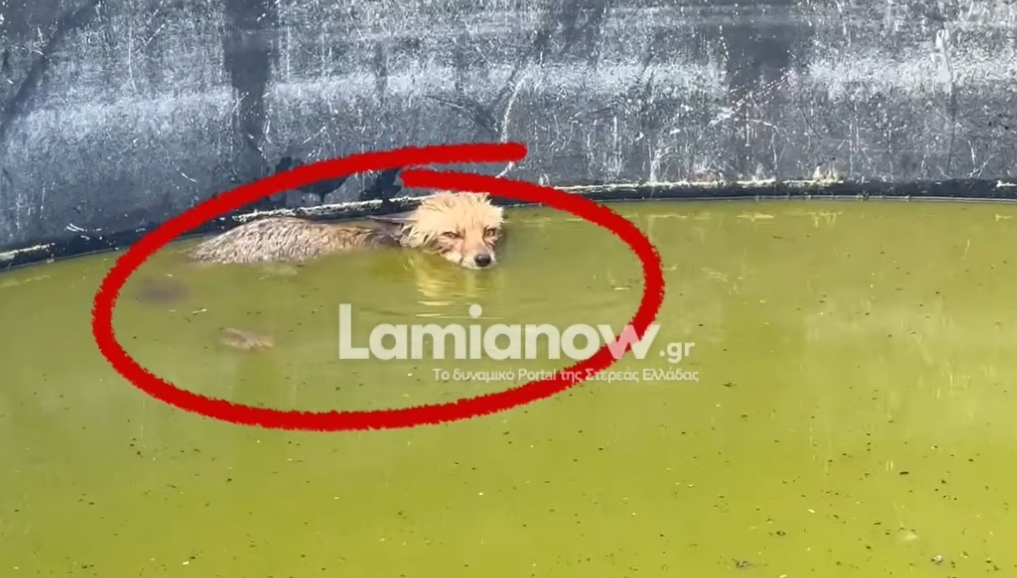
The Hellenic Public Health Organization (EODY) advises the public not to approach, touch or feed foxes, warning that regular feeding encourages the animals to lose their natural fear of people and venture into residential areas, beaches and recreational spaces. Parents are also urged to supervise children and pets when foxes are present.
Health officials stress that the appearance of a fox near people does not, by itself, indicate rabies. Greece has not recorded confirmed cases of rabies in animals since May 2014. However, every bite, scratch or contact between fox saliva and broken skin or mucous membranes should be evaluated by a healthcare professional.
Saliva on intact skin is not considered a rabies exposure, although animal bites also carry risks of bacterial infection and tetanus.
Urban encounters with wild animals have become increasingly common across Greece over the past few years.
Foxes have been repeatedly spotted even in central Athens neighborhoods, while wolves have occasionally been reported on the capital’s northern outskirts and wild boar have ventured into leafy suburban areas in search of food.
Wildlife specialists say the trend reflects mounting pressure on natural habitats, the availability of food in urban environments and the growing adaptability of some species to life alongside humans. They continue to emphasize that feeding wild animals increases the likelihood of close encounters and potential conflicts.