 Μake us preferred on Google
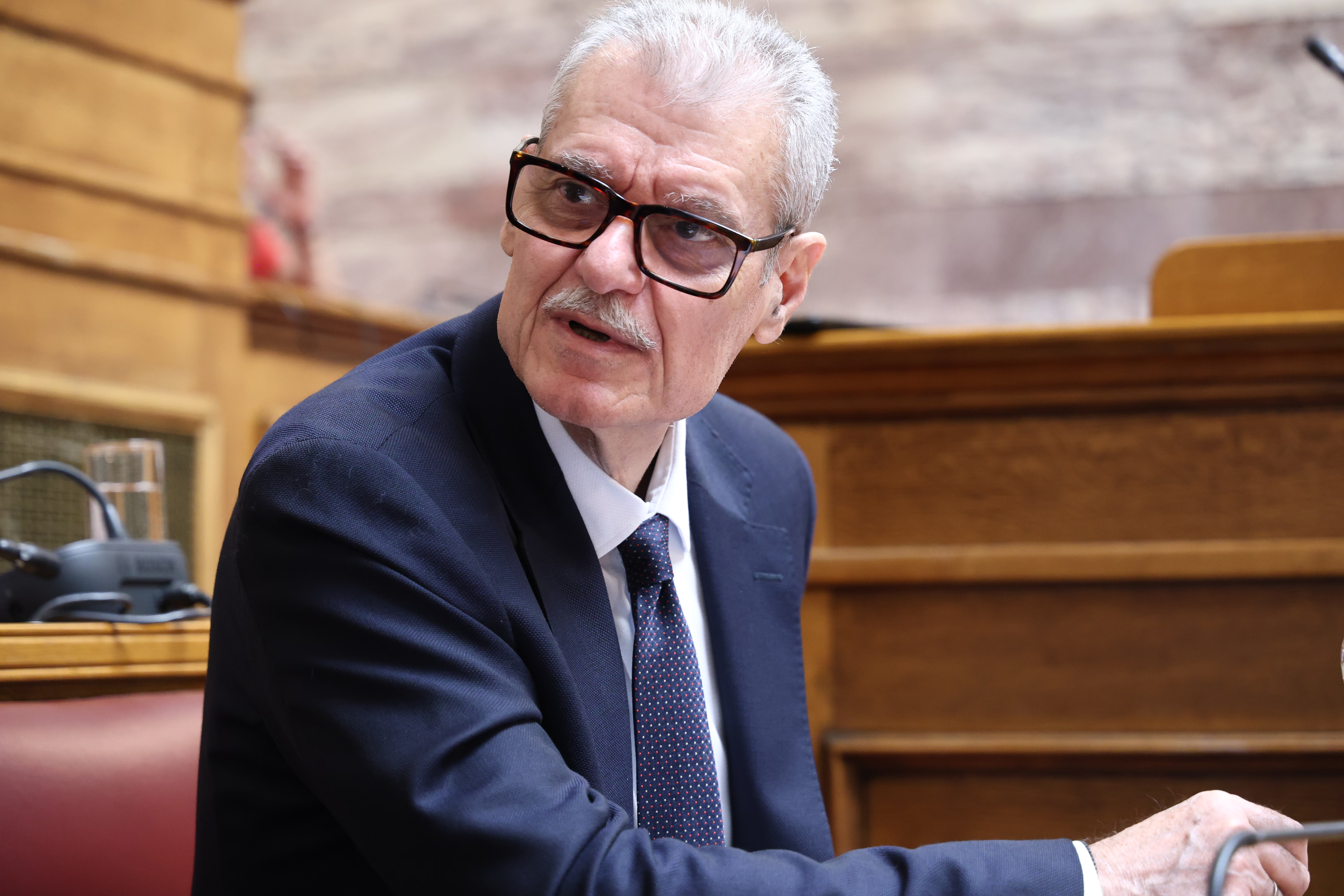
 Greece has increased the personnel of its Fire Service by more than 42% since 2022, Minister of Climate Crisis and Civil Protection Evangelos Tournas said Monday.
Tournas was responding to a parliamentary question from Communist Party of Greece (KKE) lawmaker Manolis Syntychakis concerning staffing at the Fire Service unit in Sitia, on the island of Crete.
According to the minister, the Fire Service has grown from 13,000 personnel in 2022 to about 18,500 today, including nearly 16,000 permanent employees.
The number of students admitted annually to the Fire Service’s officer training schools has also increased, from 170 to 330.
The service is additionally recruiting specialists including doctors, accountants, economists, pilots, engineers and navigators, with 90 to 100 specialists hired each year, Tournas said.
More firefighters and forest operations units
The government has also recruited 1,500 seasonal firefighters and established 21 Forest Operations Units across Greece. Two of those units are located in Crete, in Heraklion and Chania.
A recruitment process is also underway for 600 seven-year-service firefighters. According to Tournas, 55 of them will be assigned to Crete, including 15 to the Lasithi regional unit.
The minister said the Fire Service continues to expand its workforce annually, with more than 1,000 new hires each year, while around 250 personnel retire annually.
Strengthening wildfire response
Tournas said the expansion is part of a broader plan to address the climate crisis and adapt continuously to changing patterns of natural disasters.
The state is also investing in modernizing firefighting and civil protection equipment through the AIGIS program, which includes new technological systems such as ENGAGE and the 112 emergency communications system, designed to strengthen the coordination of operations.
Regarding Sitia, Tournas said the Fire Service’s operational planning is not carried out separately for each area and is not determined by the political leadership or any third party. Instead, he said, it follows specific procedures and studies.
The criteria include each area’s geography, the National Fire Risk Assessment Map, industrial facilities, forest ecosystems and wooded areas, statistical data, as well as the total available personnel and how it should be distributed to meet needs across the country.
Based on these criteria, the Fire Service’s Strategic Planning Directorate prepares a study and report, which is submitted to the Strategic Planning Council. If necessary, the prescribed procedure for issuing a presidential decree then follows.
Tournas also explained that Fire Service facilities are classified into different categories. Depending on whether a facility is a fire service, fire station or fire unit, a specific staffing level is provided for, with personnel allocated according to the service’s operational and strategic planning.
More than 3,000 fires this year
The parliamentary discussion also included official figures from this year’s difficult wildfire season.
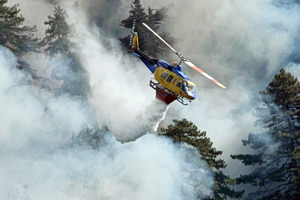
According to Tournas, more than 3,000 fires have broken out across Greece since the beginning of the year.
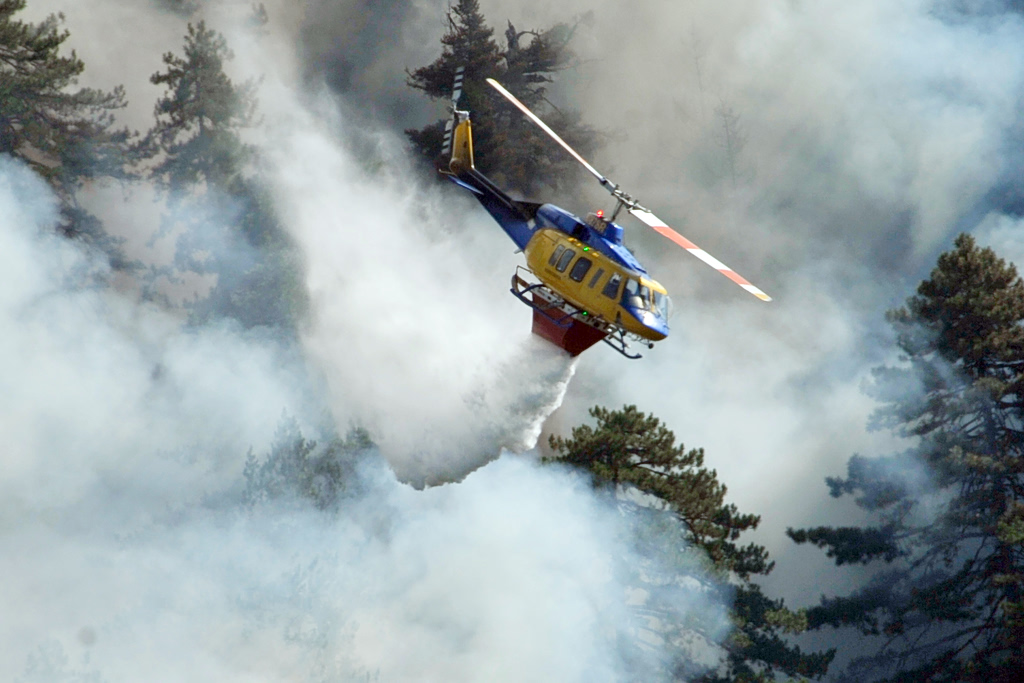
August saw a particular surge, with more than 830 fire fronts recorded nationwide. Adverse weather conditions and strong winds significantly complicated firefighters’ efforts, he said.
Focus on prevention
Tournas emphasized the importance of prevention in reducing the risk of wildfires.
The government’s goal, he said, remains to ensure the rapid reinforcement of firefighting forces in every region.
The new system, according to the minister, is designed to ensure transparency and effectiveness from the outset of a disaster, while the state seeks to provide citizens with practical and rapid support in its aftermath.