
 Μake us preferred on Google
One of the experiences that definitely compliments a trip to Greece is the food. Who doesn’t dream of sitting at a seaside taverna sipping on some Greek wine or sampling delicious Greek cheeses?
In the last few years, Greek culinary culture is becoming a big thing, with many travelers coming to this part of the Mediterranean intent on experiencing the food.
So, an absolute yes. You can and should plan visits to local food producers during your trip to Greece.
Welcome to “All About Greece”, part of “TO BHMA International Edition Travels Greece With You” series. Here, we answer your questions and introduce you to this wonderful country we call home and you call vacation!
Greek Cheese, Wine, Olive Oil & More
In response to a growing demand for tasting experiences, the Greek Tourism Ministry started certifying traditional cheese dairies, olive oil mills, breweries and wineries across the country.
So yes, travelers can visit these and learn more about how Greek cheeses like feta and graviera are made. How Greece’s famous extra virgin olive oil is produced. All about Greek craft beers. And, of course, the art of Greek winemaking.
In addition to offering guided tours, many of these spaces also organize tastings and workshops, and some offer overnight stays.
Many of you planning a trip to Greece, are keen on discovering something more than just sea and sun. You’re looking to get a more immersive experience. So why not visit local food producers, meet the artisans and learn about how your favorite Greek yogurt is made? This is a great way to discover a different side of Greece, plus learn more about some of our best-known food products.
Why Visit Local Producers
Are these experiences for foodies? Yes. But I would suggest that all travelers to this part of the world plan at least one visit to a microbrewery on a Greek island, or an olive mill in the countryside.
Foodies or not, most of you have tasted something Greek. An olive, some wonderful olive oil, a Cretan rusk with some cheese. Now is your chance to discover the traditions and stories behind these products.
Most are small, family-run businesses passed down from one generation to the next. Not only will you be supporting small local enterprises, but you’ll also be learning about Greek food traditions and local flavors, and making new friends too!
Food Experiences You Shouldn’t Miss
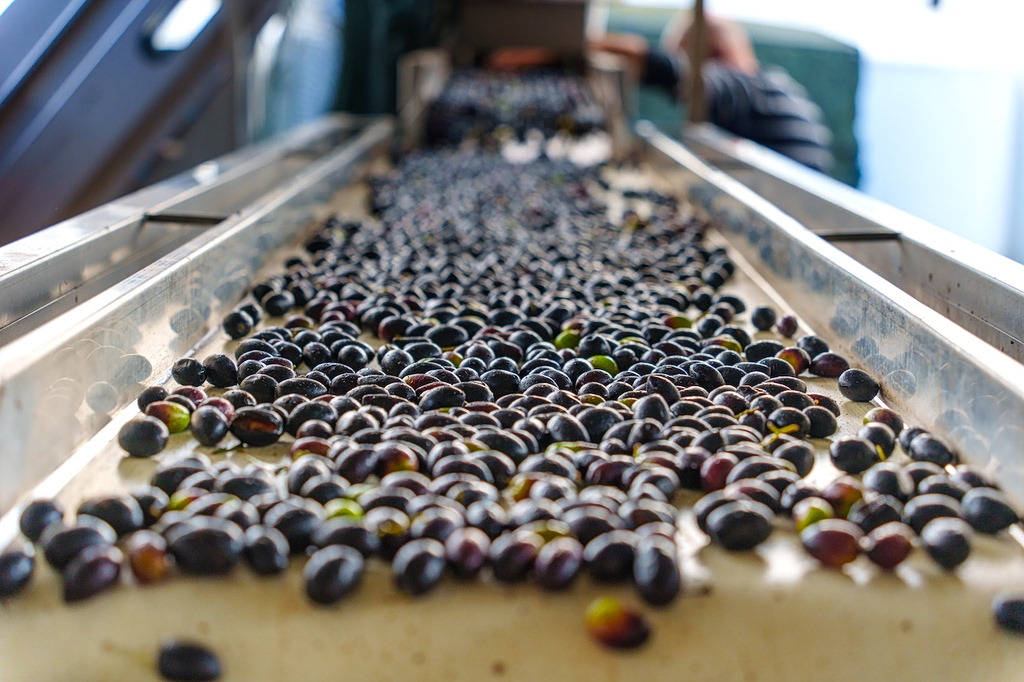
Olive oil mills – Olives and olive oil are basic staples of traditional Greek cuisine and the world-famous Mediterranean Diet, an integral part of our culture. We use olive oil every day, and it’s worthwhile learning about the many olive varieties and how olives are harvested, processed and transformed into extra virgin olive oil. During the harvest season, some producers also organize olive-picking experiences.
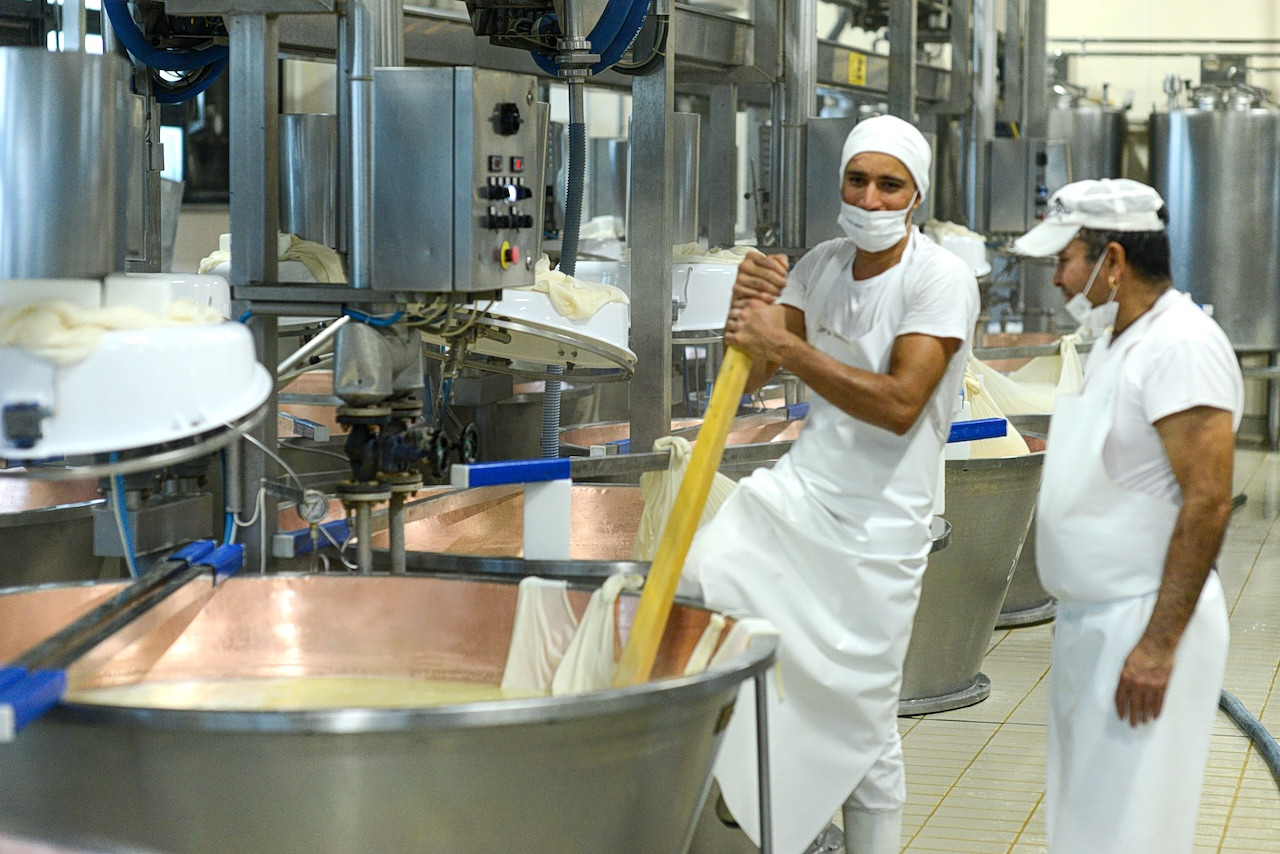
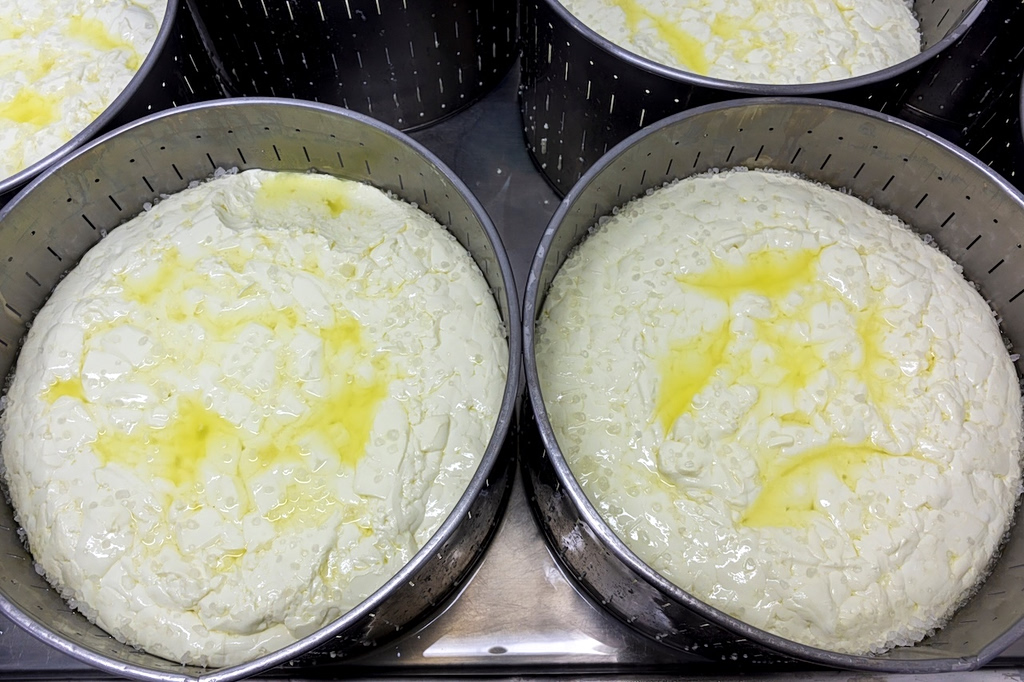
Traditional cheese dairies – Who doesn’t love Greek cheese? This is your chance to learn more about the secrets of traditional Greek cheesemaking; the different kinds of Greek cheese, and which regions produce the best. The use of sheep, cow, or goat milk in Greek cheesemaking. Some small dairies offer guided visits, traditional cheese making demonstrations, and tasting sessions.
Greek breweries – In the last few years, Greece is seeing a boom in independent beermakers. Across the country, on islands like Santorini, Mykonos, Corfu and Folegandros, as well as in mainland destinations like Kalamata and Sparta, you can visit breweries and micro units, learn more about brewing techniques, sample beers made with Greek ingredients and flavors, and hear some amazing stories by local brewers. Tastings are a must.
Greek wineries and vineyards – These were among the first to offer travelers guided tours and tastings. Greece’s winemaking traditions go back to ancient times. Today, wineries across the country offer guided vineyard walks, cellar tours and wine tastings. You also learn about Greek grape varieties, wine labels, food and wine pairings.
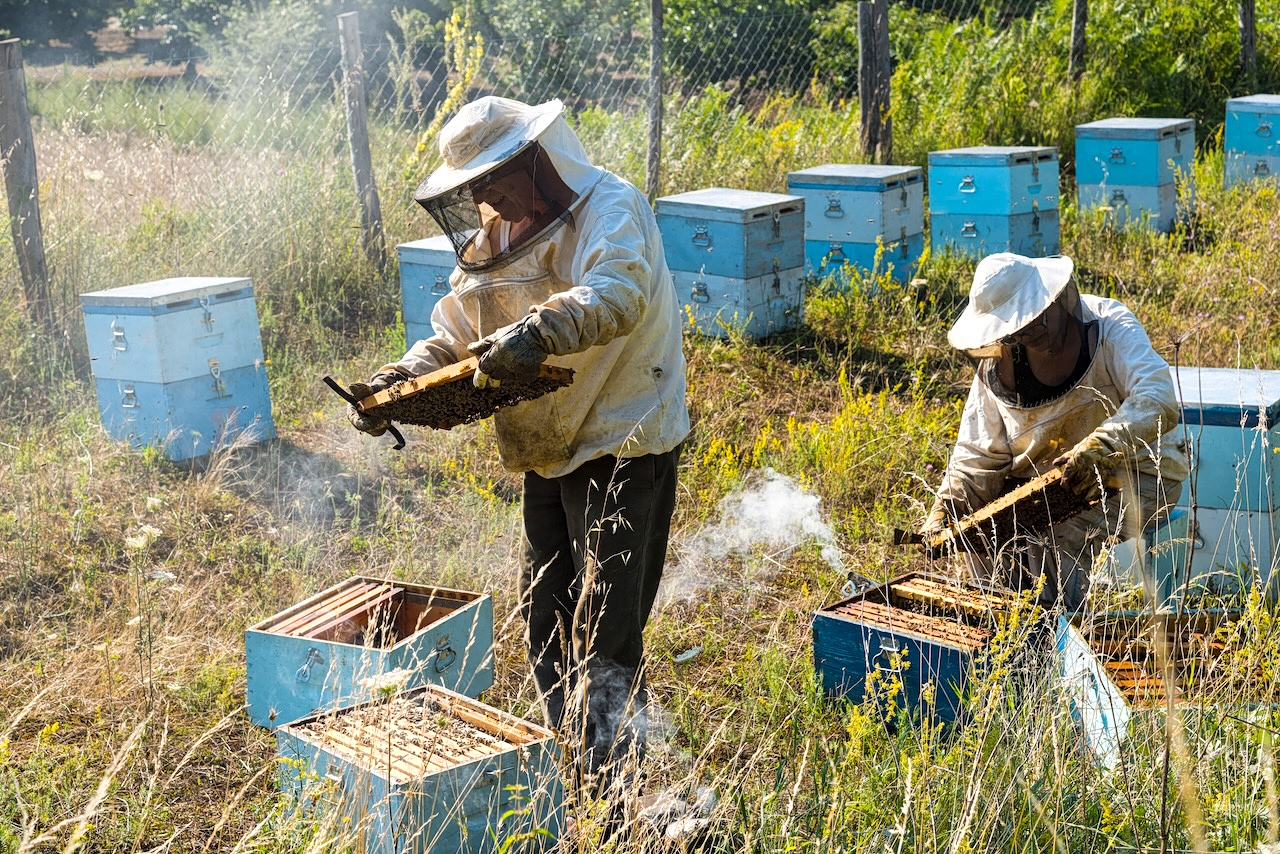
If you have a soft spot for food, you can also find Greek honey producers in various parts of the country, learn about the honey-making process, and sample some of the wonderful varieties of Greek honey.
You can also discover the secrets of making traditional Greek pasta or sweets, including recipes, at local women’s cooperatives. And, of course, in addition to wineries and breweries, several traditional distilleries bring you into the world of ouzo, tsipouro, and Greek liqueur production.
If you want to gain a deeper understanding of Greek culture, then do plan at least one visit to a local producer during your trip to Greece. You won’t regret it. Food always finds a way into our hearts, minds and memories.
Good to Know
Make sure to book in advance. Check visiting times. Some production facilities are open to the public during certain parts of the year. Ask if English-speaking tours are available. Choose to support small family-run businesses offering more personal experiences.
*Send your questions to Maria Paravantes at mparavantes@tovima.com