
 Μake us preferred on Google
 Greece is facing a prolonged heatwave, with temperatures expected to rise above 42°C in some areas and authorities urging the public to take precautions against the effects of extreme heat.
The heatwave is expected to continue until Wednesday, with the highest temperatures forecast in regions including Epirus, Thessaly, Central Greece and the Peloponnese. At the same time, the risk of wildfires remains high in several areas due to the hot and dry conditions.
Health authorities have issued recommendations focused on protecting vulnerable groups, limiting exposure to high temperatures and preventing heat-related illnesses.
Preventive measures during extreme heat
The National Public Health Organization (EODY) has advised people, especially older adults and those with health vulnerabilities, to avoid unnecessary outdoor activities during the hottest hours of the day.
Residents are encouraged to:
- Avoid prolonged exposure to direct sunlight, especially around midday.
- Stay in cool or air-conditioned spaces whenever possible.
- Drink enough fluids and take steps to remain hydrated.
- Use umbrellas, hats or other forms of sun protection when outdoors.
- Check on elderly relatives and ensure they have access to appropriate medical advice during the heatwave.
EODY President Theodoros Vasilakopoulos said that if someone is found collapsed due to heat, they should first be moved to a shaded area and cooled with water on the face. He advised against giving fluids to an unconscious person due to the risk of choking.
Parents have also been advised to keep children away from beaches during the hottest afternoon hours. Health officials warned that short periods of swimming followed by prolonged exposure to hot sand can still pose risks.
Cooling spaces opened in Athens
In Athens, air-conditioned public facilities known as Friendship Clubs will operate from 9:00 a.m. to 9:00 p.m. to provide relief from the heat.
The municipality has also installed 130 water stations for stray animals as temperatures continue to rise.
A 24-hour public information line is also available for residents seeking assistance.
“Tropical nights” increase discomfort in cities
Meteorologists have highlighted the particularly difficult conditions in urban areas, where temperatures remain high even overnight.
In Athens, temperatures in some neighbourhoods did not fall below 29°C during the night, creating what is known as a “tropical night” — a period when nighttime temperatures remain unusually high and provide little relief from daytime heat.
Experts noted that urban areas can experience higher temperatures due to the heat retained by buildings and roads, creating a stronger urban heat effect.
High humidity worsens the feeling of heat
While some mountainous areas experienced much lower nighttime temperatures, coastal and urban regions faced high humidity levels that increased discomfort.
Meteorologists explained that humidity becomes especially problematic when temperatures are high because it reduces the body’s ability to cool itself through sweating.
The combination of heat and humidity has created particularly difficult conditions in several coastal areas, where the perceived temperature has been significantly higher than the actual reading.
Fire risk remains elevated
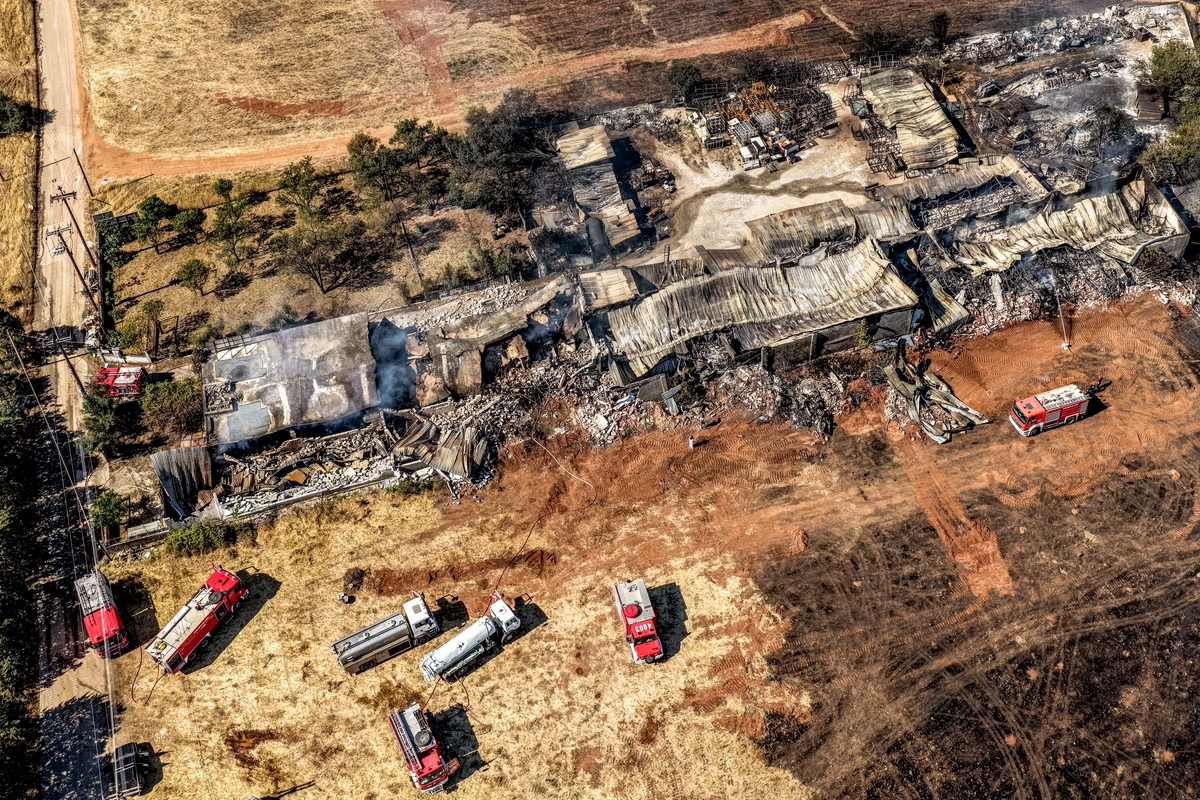
Alongside health concerns, authorities are closely monitoring wildfire risks.
Several regions remain under increased alert as high temperatures, dry vegetation and weather conditions create a more dangerous environment for fires.
The most challenging conditions are expected on Tuesday and Wednesday, before temperatures are forecast to gradually ease from Thursday, with cooler weather expected later in the week.