 Μake us preferred on Google
Greece is considering new funding tools to help farmer’s market vendors modernize their equipment, reduce operating costs and meet the demands of the green transition, Development Minister Takis Theodorikakos announced on Sunday.
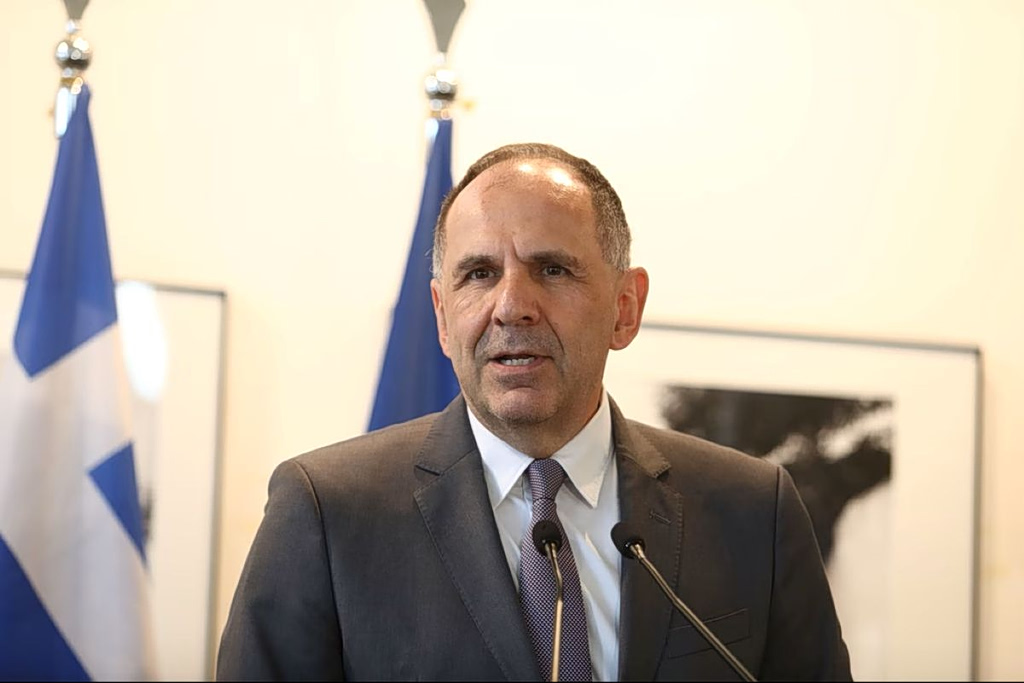
Speaking at an event organized by Attica Regional Governor Nikos Hardalias to launch a new campaign promoting the region’s street markets, Theodorikakos said the government was exploring additional ways to support vendors in the coming weeks and months.
“We will be able to make use of other available financial tools to support you in this effort,” he said.
The minister also outlined a series of measures introduced by the Development Ministry following discussions with representatives of the markets. These include allowing municipalities to establish afternoon markets, creating separate markets for producers, giving vendors greater flexibility in their working hours, simplifying licensing procedures, digitizing permits and reducing bureaucracy.
“We will not stop here. We will continue the discussion with you because we want to address even the smallest problem that may make the work of people in street markets more difficult,” Theodorikakos said.
He added that modernizing the institution would require cooperation with the people who work in the markets.
Street markets as a response to rising living costs
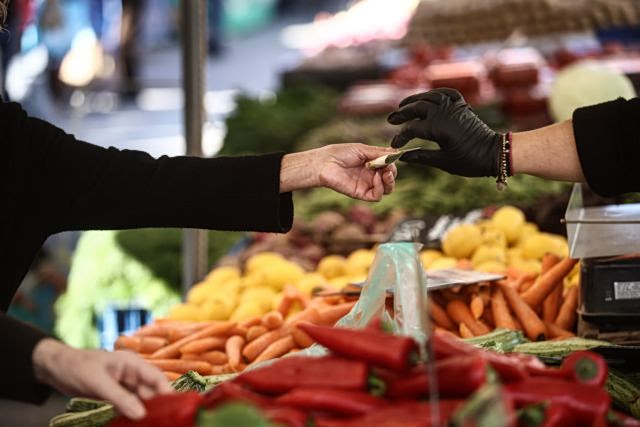
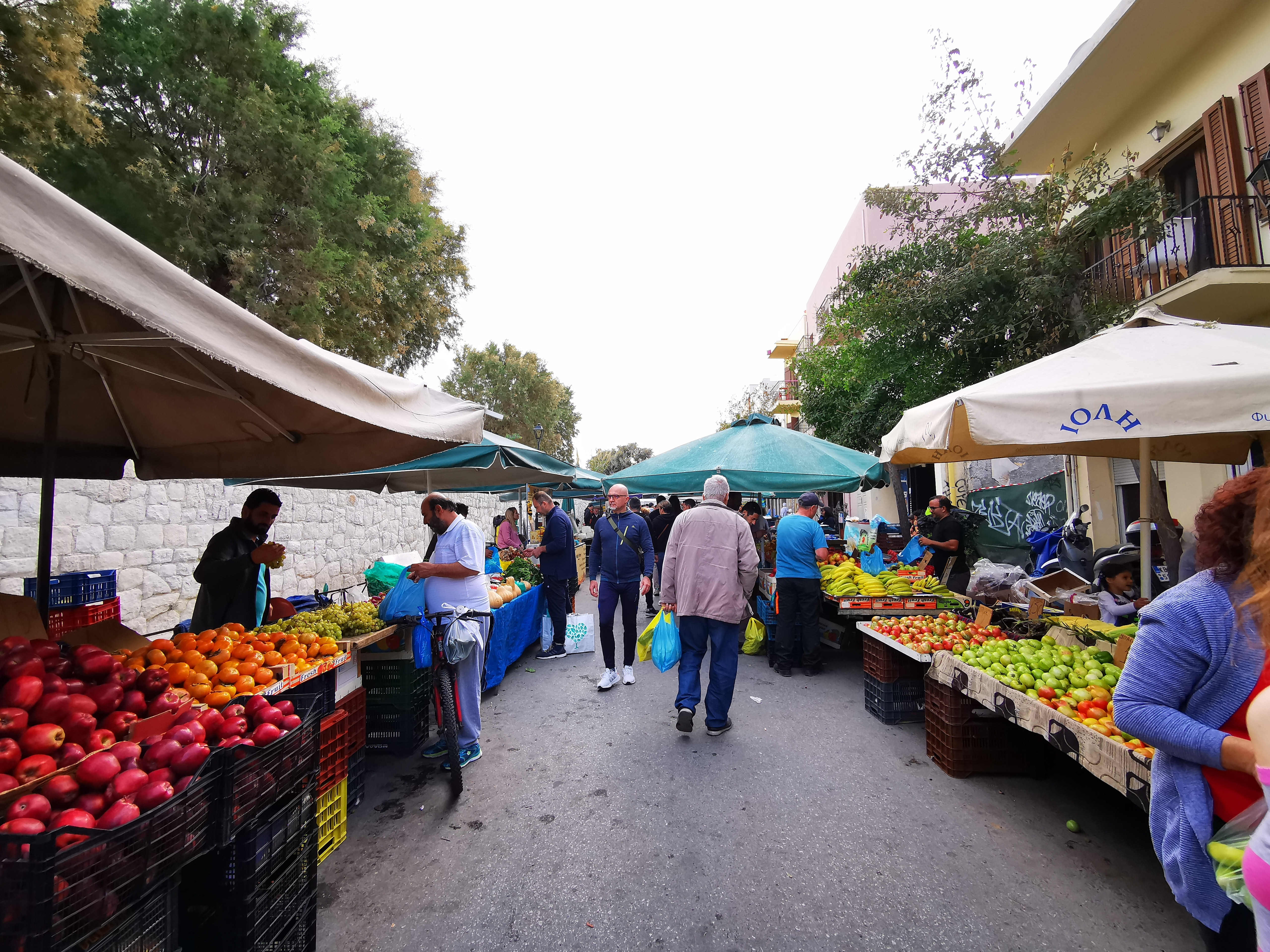
Theodorikakos described street markets, known in Greece as laikes agores, as a longstanding part of the country’s social and economic life, closely connected to the daily routines of hundreds of thousands of people.
They bring producers directly into contact with consumers and offer fresh, quality products at more competitive and affordable prices, he said.
The minister argued that their role has become even more important amid rising living costs and major geopolitical disruptions, as stronger competition and a wider range of consumer choices can help ease pressure on household budgets.
He rejected the view that street markets are outdated or incompatible with modern life, describing competition through their effective operation as a traditional tool for tackling high prices.
“Supporting street markets is a clear and conscious choice for us, which we demonstrate through actions, not words,” he said.
Beyond their role in providing affordable products, Theodorikakos said the markets help sustain Greek production and local economies, form part of the identity of neighborhoods and provide employment opportunities for thousands of producers and professional vendors.
He also highlighted cooperation with local government, singling out Hardalias for his engagement with residents and understanding of local needs.
Concluding his remarks, the minister expressed confidence in the future of the institution, saying street markets had not only a long history but also significant potential to become more modern, more accessible to consumers, stronger and more competitive.