 Μake us preferred on Google
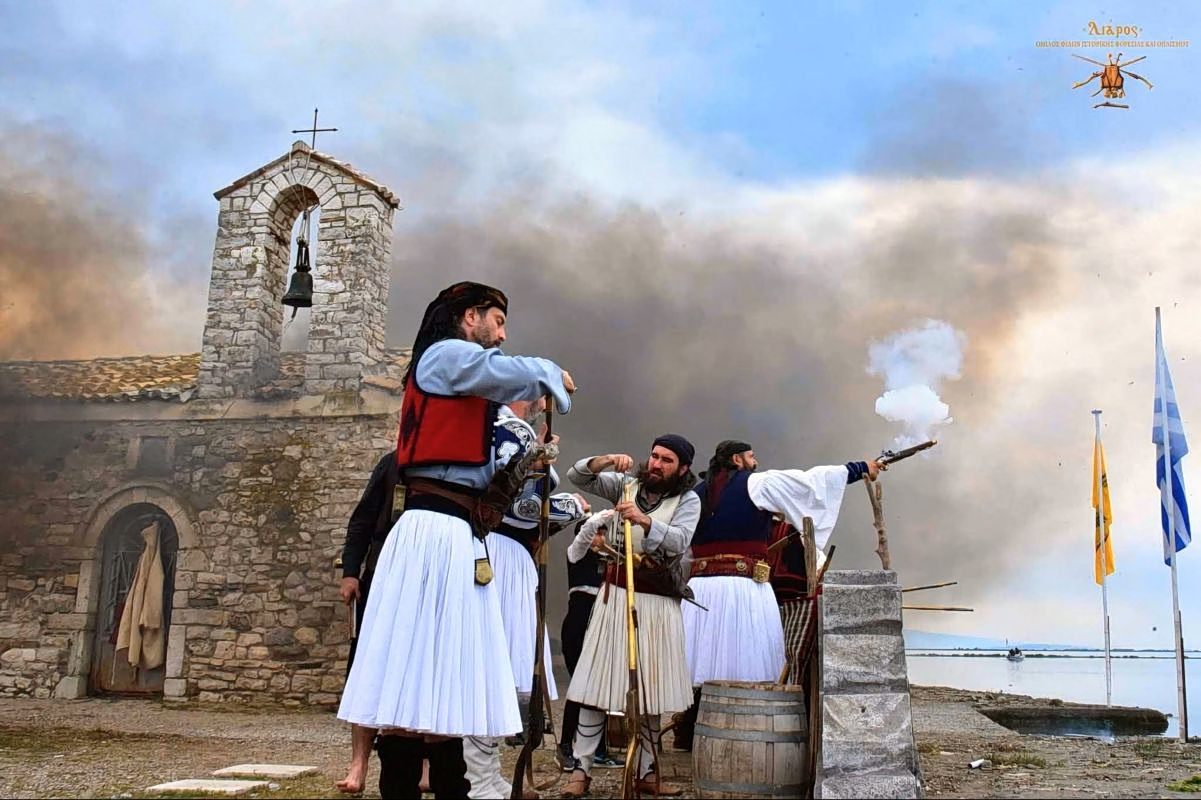
 Marking the bicentenary of the Exodus of Messolonghi, the Association of Friends of Historical Costume and Arms “Liaros” invites the public to experience history firsthand.
On March 25, 2026, at 11:00 a.m., the imposing reenactment of the Battle of Kleisova will once again take place in its natural setting, on the islet itself. Far from a mere ceremonial revival, the event stands as a living reminder of the scale of sacrifice and resolve shown by those who defended Kleisova.
At the same time, it underscores a profound historical irony: this brilliant victory ultimately failed to alter the overall outcome of the siege.
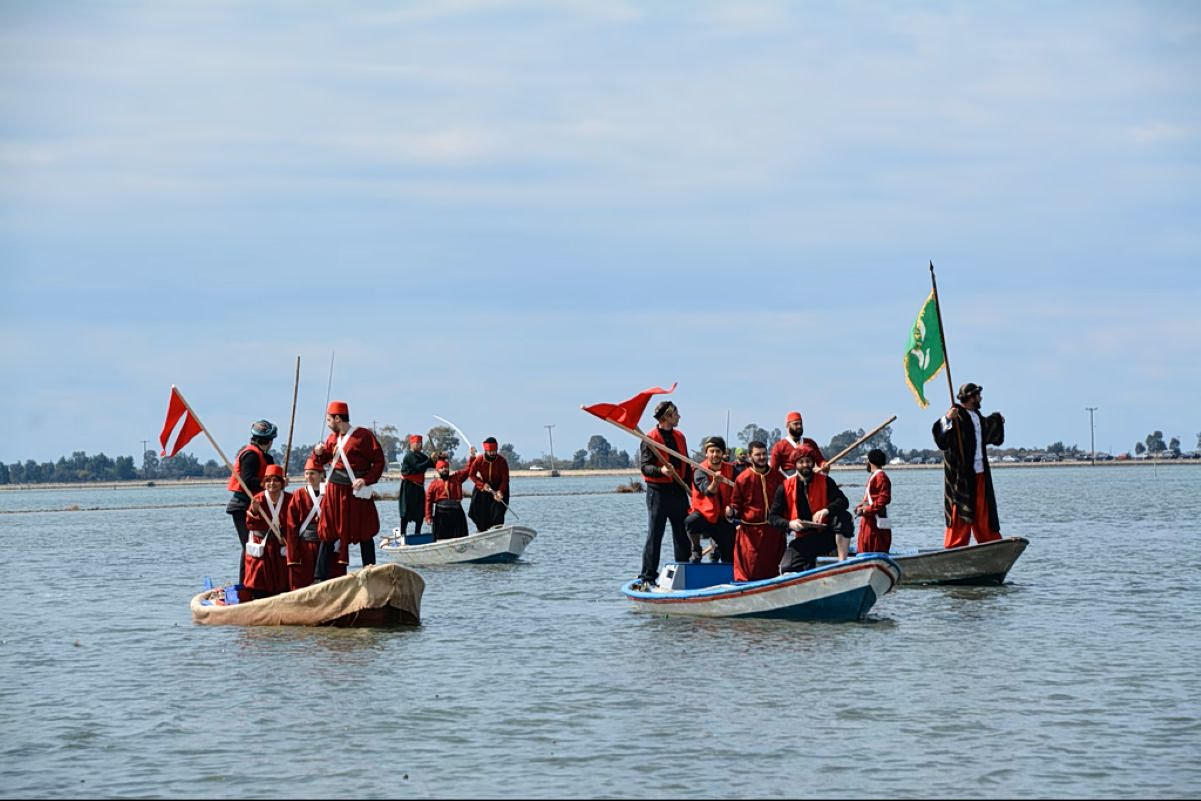
The words attributed to Ibrahim Pasha, addressed to Admiral De Rigny, capture this reality with stark clarity: “Do you see how the snows on those mountains melt? That is how we too would have melted, had Messolonghi provisions for a few more days.” The remark encapsulates the weight of circumstance and the crucial role of dwindling supplies, which ultimately sealed the fate of the besieged despite their heroism.
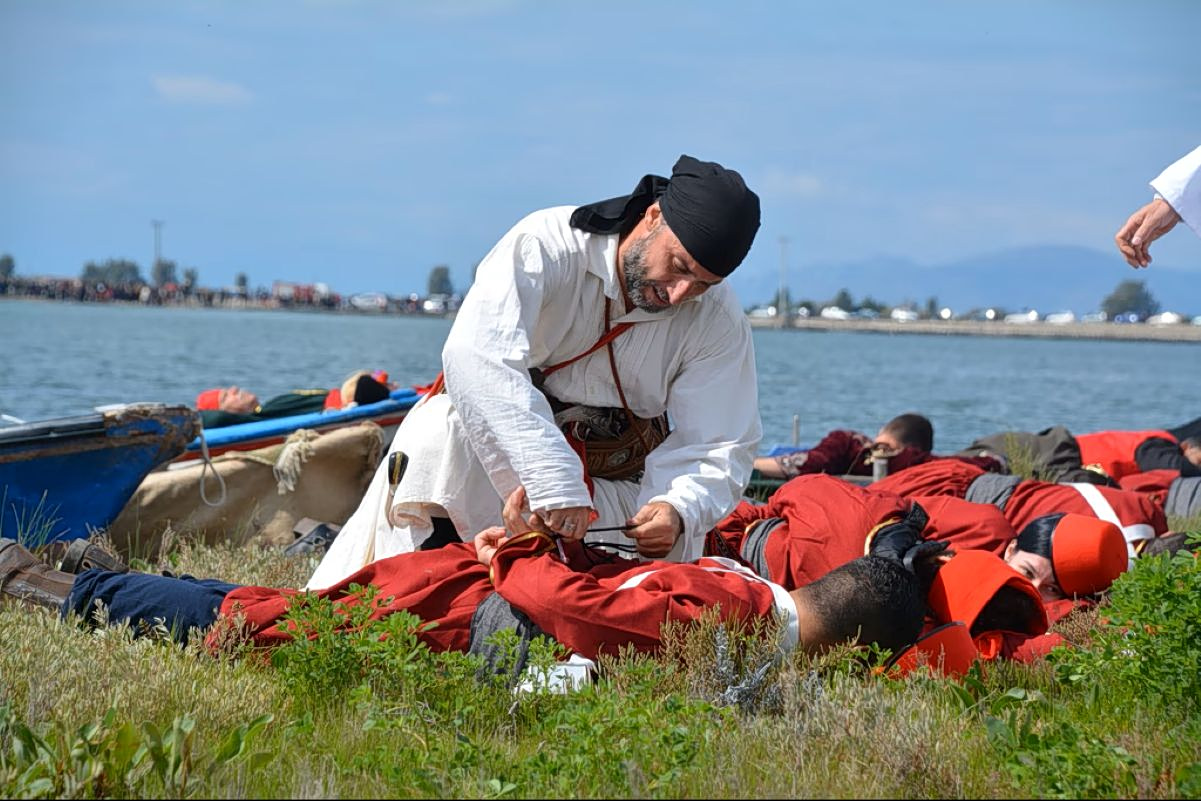
As the Greek world celebrates the Annunciation and the dawn of national rebirth, historical memory turns back to 1826, to the sacred waters of the Holy City of Messolonghi. There, just days before the legendary Exodus, one of the most glorious—yet often less widely known—chapters of the War of Independence was written: the Battle of Kleisova.
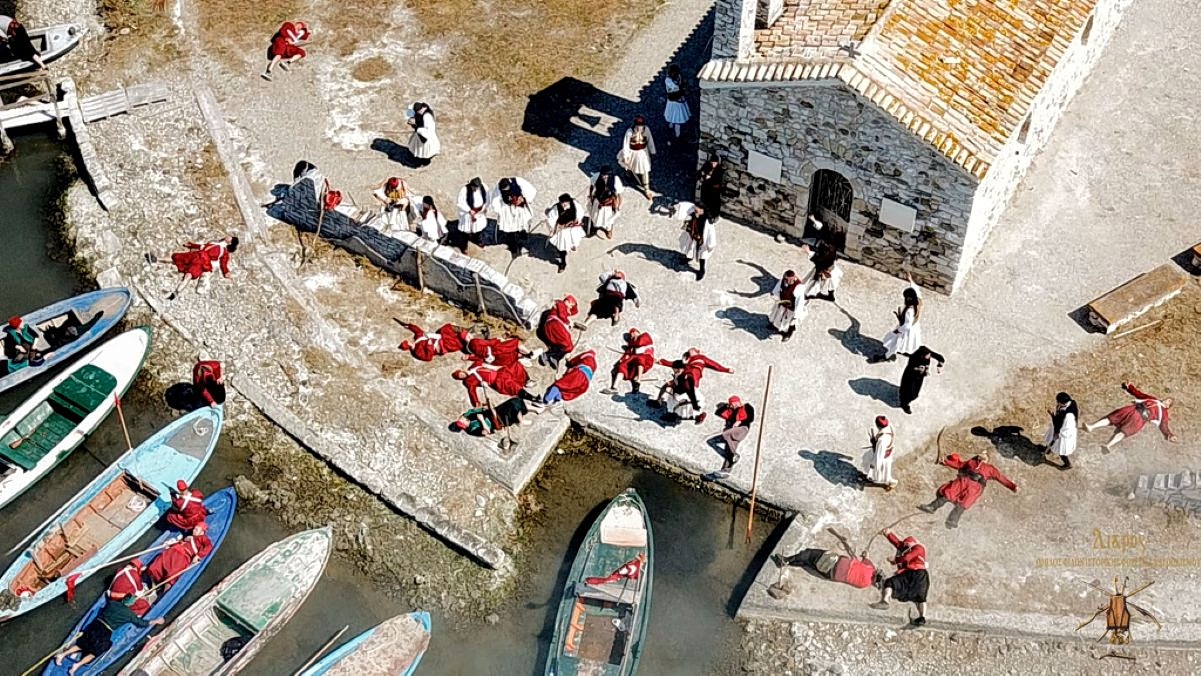
“On March 25, 1826, the small islet of Kleisova was transformed into a site of near-superhuman confrontation,” historian Elvira Tsokanta recounts. “Kitsos Tzavelas and Panagiotis Sotiropoulos, leading just 131 men, fortified themselves behind a makeshift wall and faced the combined forces of Kutahı and Ibrahim, numbering in the thousands—Ottoman Albanians and Egyptians alike.”
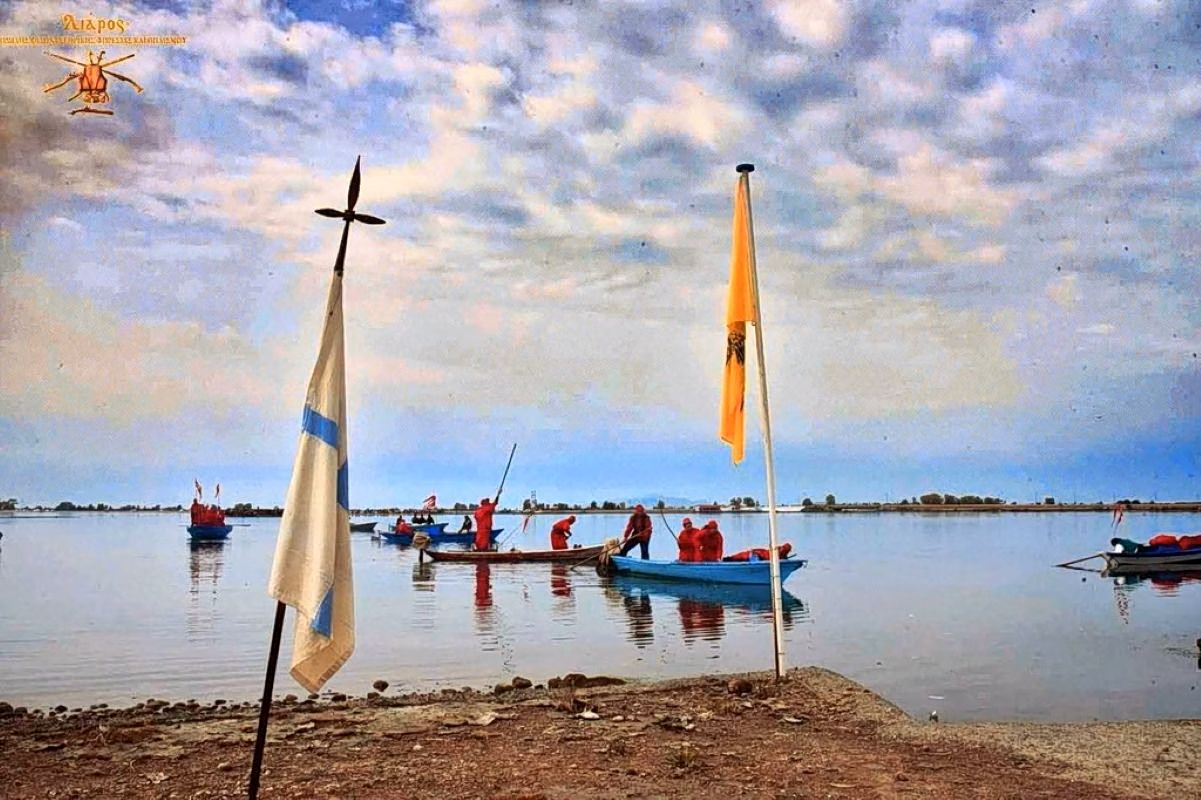
She continues: “At dawn, Kutahi launched an assault with 3,000 men, who were repelled by the stubborn defense of the Messolonghi fighters. Enraged by the failure, Ibrahim then dispatched 4,000 troops under his son-in-law, Hussein Bey. Yet the mud of the lagoon became an impassable trap for the invaders. By afternoon, Kleisova had turned into a grave for more than 2,500 enemy soldiers—including Hussein Bey himself. The Greeks, with only 35 losses, had achieved the impossible.”
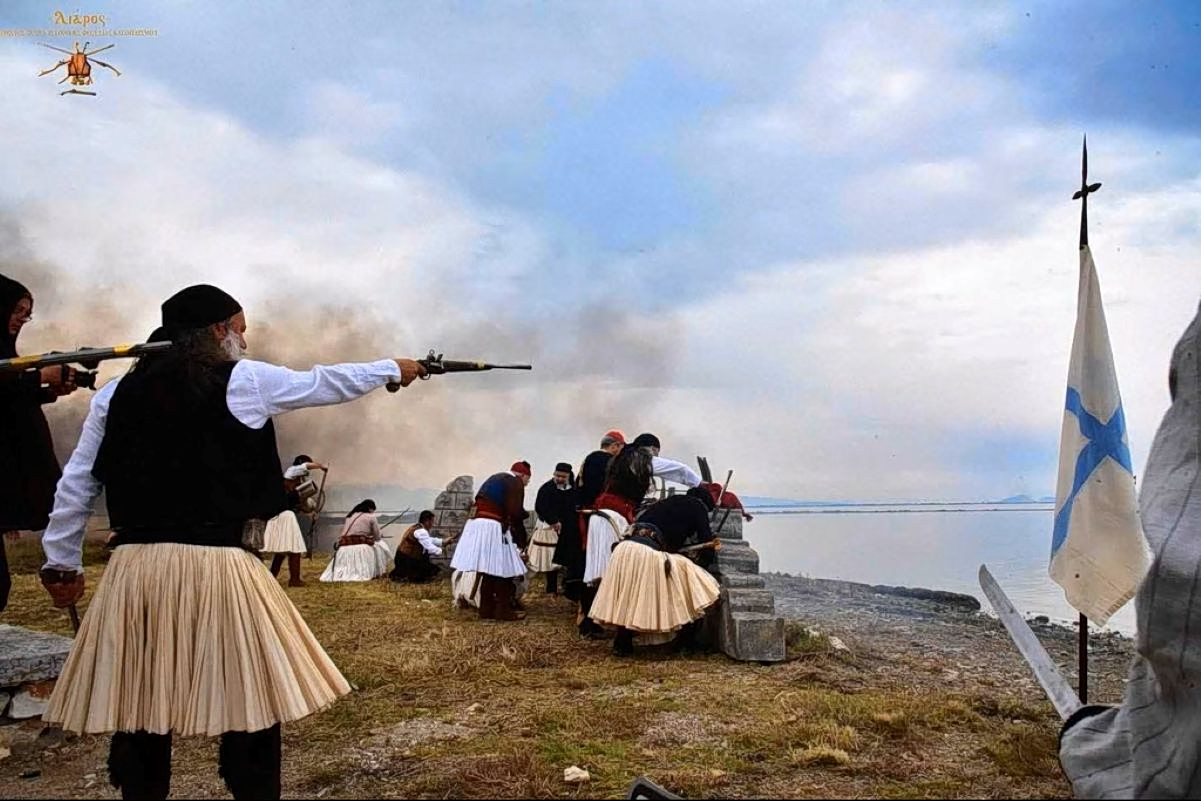
This victory was not merely military; it was a moral resurrection for the besieged, exhausted by hunger. It stood as compelling proof that the spirit of the fighters could overturn even the most overwhelming numerical odds.
Photo Credits: Spuridoula Magalou