 Μake us preferred on Google
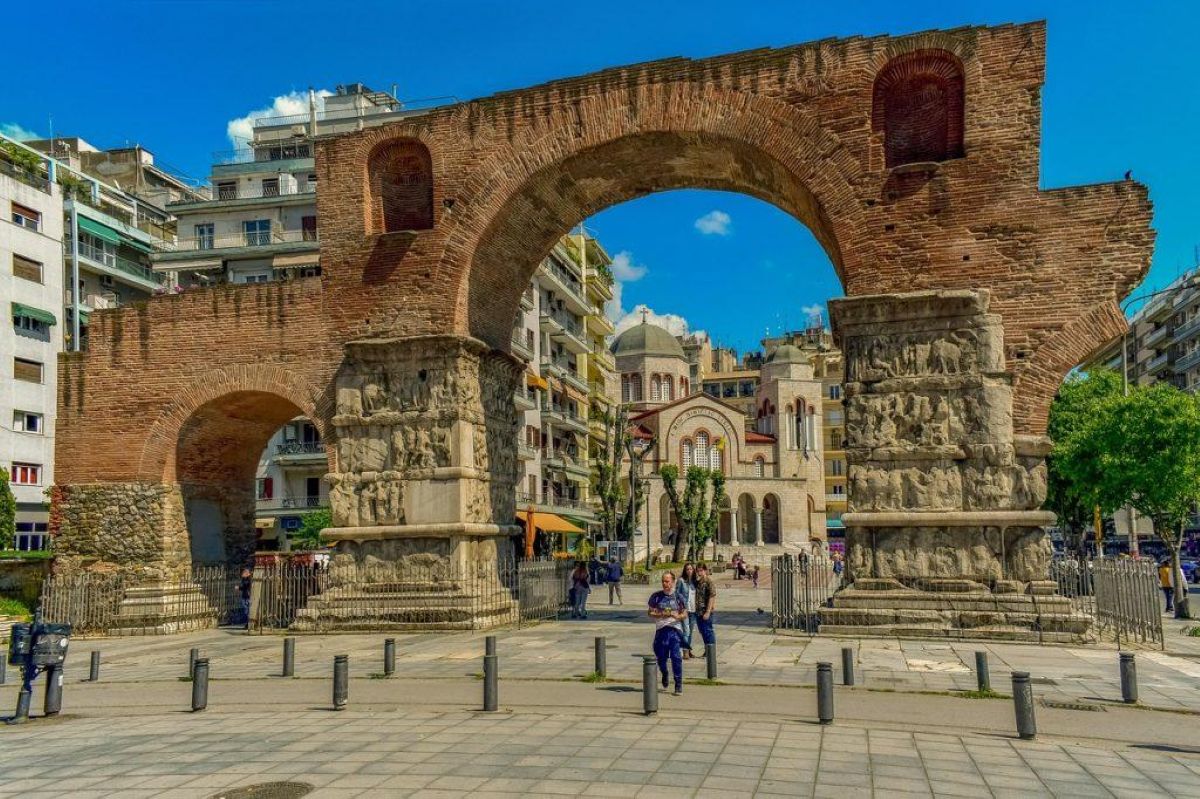
 In Thessaloniki, what subsequent historians called Byzantium – the eastern Roman Empire – is not confined to museums or archaeological sites. It survives in the texture of the city itself: in the shadow of its walls, the domes of its churches, the maze-like alleys of the Ano Poli, and the layered memories of the communities that once shared the same streets.
A recent feature in the German newspaper Frankfurter Allgemeine Zeitung (FAZ) portrayed Thessaloniki as a city that lives “beyond the shadow of Athens,” celebrating its cultural depth and historical complexity. The article described how the former “co-capital” of the Byzantine Empire still mirrors imperial Constantinople in remarkable ways: a smaller Hagia Sophia, monumental walls associated with the Emperor Theodosius, and the imposing fortress of Heptapyrgion (Seven Towers), also known as Yedi Kule in Ottoman Turkish.
Historically, whatever rose in the imperial capital on the Bosporus seemed eventually to find an echo in Thessaloniki. For centuries, the city stood as the Byzantine Empire’s second metropolis and a strategic gateway to the Balkans. Even today, its Byzantine monuments remain woven into everyday urban life, giving the city the feeling of an “open-air museum.”
But Thessaloniki’s identity was never solely Byzantine or solely Greek. Under Ottoman rule, Christians, Muslims, Jews, Slavs, Levantines and western Europeans lived side by side in a cosmopolitan port city shaped by commerce and migration. Jewish quarters stretched toward the sea, Muslim neighborhoods climbed the hillsides, while churches dominated the central districts. The city’s eastern markets, covered bazaars and hammams gave it an unmistakably oriental atmosphere that survived well into the 20th century.
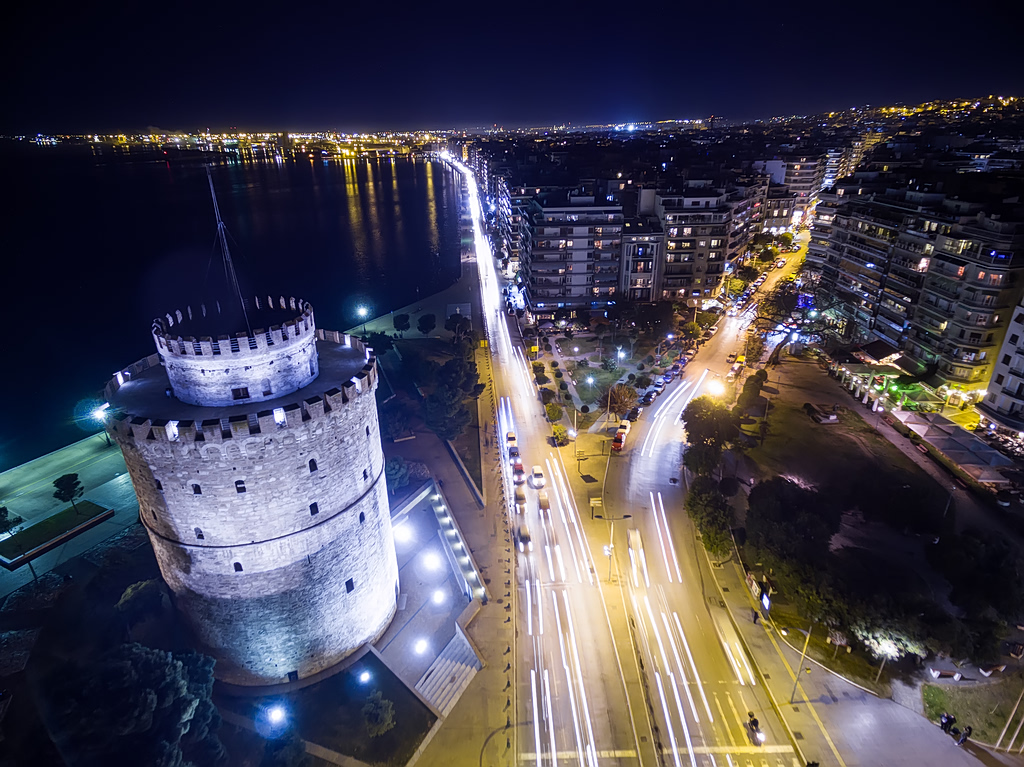
The old Turkish quarter still preserves fragments of that vanished world: wooden houses with overhanging windows, narrow stone lanes and hidden courtyards where the past feels unusually close. Around the old marketplaces and the area near Athonos Square, the city continues to carry traces of Ottoman and Sephardic memory, accompanied by the melancholic sounds of rebetiko music brought by ethnic Greek refugees from Asia Minor.
The upheavals of the 20th century transformed Thessaloniki irrevocably. Following the Greco-Turkish population exchange of 1922-23, Muslims departed while Orthodox Christians refugees arrived from Asia Minor.
Two decades later, the Nazi occupation destroyed one of Europe’s most significant Sephardic Jewish communities. In July 1943, Jews were gathered at Eleftherias Square before being deported to Auschwitz. More than 50,000 Thessaloniki Jews perished in the Holocaust.
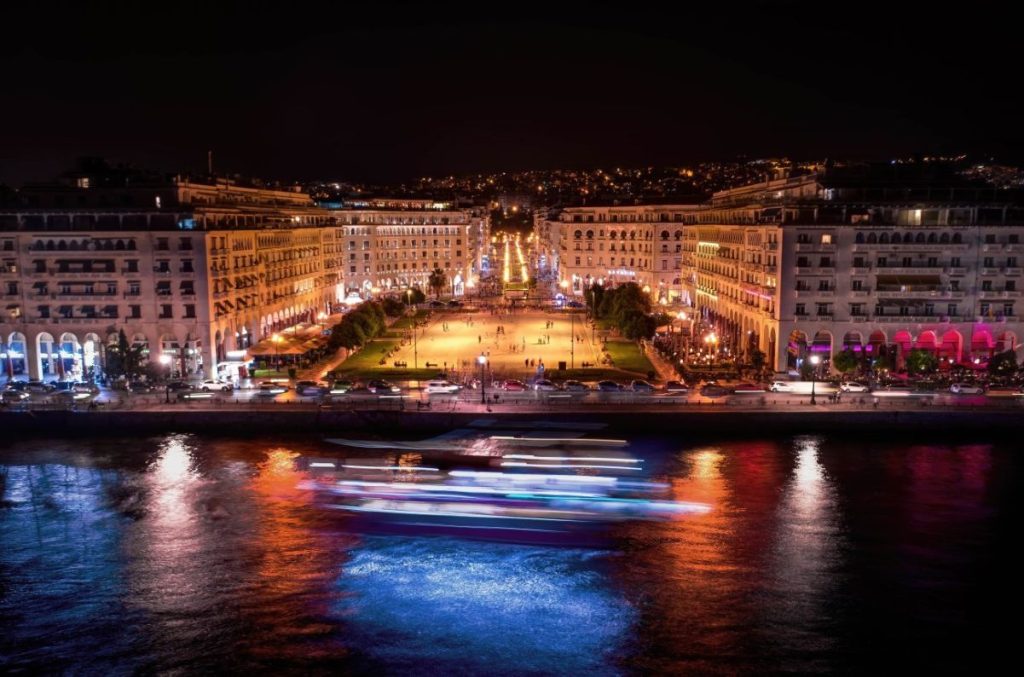
Yet the city’s multicultural memory never entirely disappeared. Thessaloniki today, according to FAZ, increasingly embraces its Jewish and Ottoman heritage while preserving its Byzantine monuments as part of a continuous urban narrative rather than isolated relics. Churches, Ottoman remnants, modern apartment blocks and lively cafés coexist in a city that constantly negotiates between memory and reinvention.