
 Μake us preferred on Google
The investigation into Greece’s basketball match-fixing scandal, known as “Basketgate,” is entering a critical stage, with three referees scheduled to appear before an investigating judge on Monday.
First to appear was Ilias Koromilas, a special adviser on refereeing. International referee Vaso Tsaroucha is due to follow, with former referee and Central Refereeing Committee member Tasos Piloidis expected to be questioned last.
The three face serious allegations involving bribery, the offering of benefits to influence results in betting-related competitions, and repeated unlawful interference.
Once the six defendants in the case have completed their statements, the investigating judge is expected to summon additional witnesses. Further arrest warrants have not been ruled out.
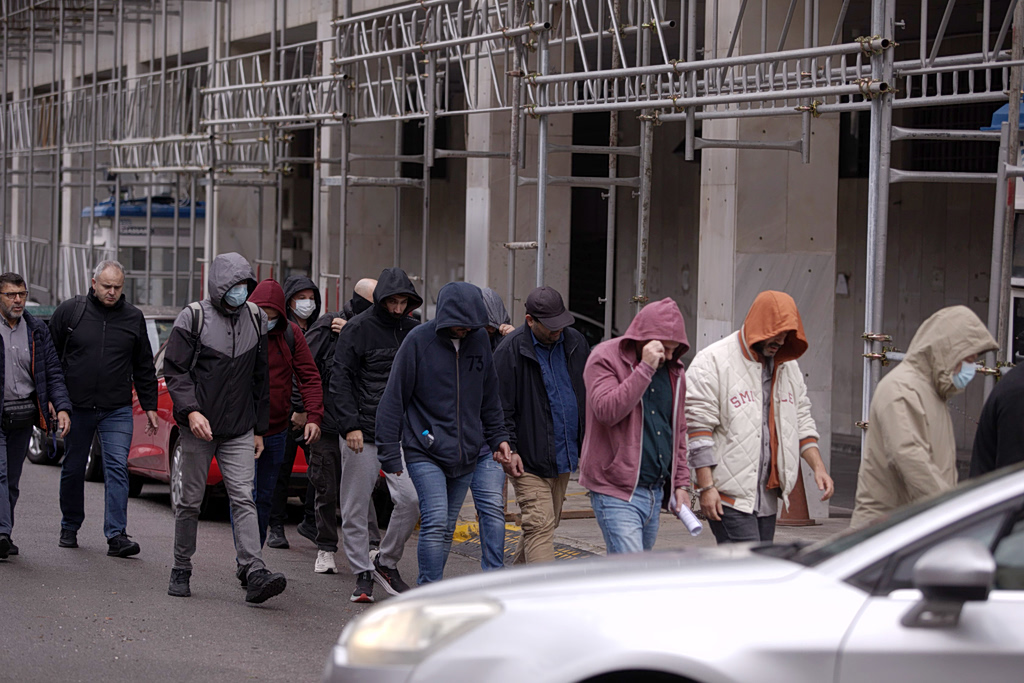
The latest developments follow the decision to place former Hellenic Basketball Federation (EOK) president Vangelis Liolios and businessman George Mavraganis in pretrial detention. Both deny the allegations. Their detention brings the number of people held pending trial in the case to three, following the detention of former international referee Petros Papapetrou on Friday after a nine-hour questioning session.
Defendants deny allegations as investigation widens
During his questioning, Liolios maintained that he was the target of a conspiracy orchestrated by people with whom he had legal disputes and whom he had previously sued. He argued that the scheme was intended to force him out of the EOK presidency.
Liolios is accused of involvement in the alleged manipulation of 49 basketball games over a decade. According to the arrest warrant, authorities also considered him a potential risk for further offenses because of his position in the sport.
In his defense, he presented records from tax audits, including the most recent review in 2025 covering the 2019-2020 tax years. He argued that examinations of his bank accounts and safe-deposit boxes had revealed no wrongdoing.
Mavraganis, whose questioning lasted about 40 minutes, faces witness testimony identifying him as Liolios’ close associate and representative who sought to arrange the manipulation of games.
Papapetrou, meanwhile, sought to explain the large amount of cash found at his home. He said the money came from lawful income totaling €1.5 million between 2001 and 2026, including earnings from refereeing, work for the forestry service and family income. He said he had kept the money outside the banking system because he had few expenses in Katerini, the northern Greek city where he lived.
Authorities examine assets and suspicious transactions
The investigation is also expanding beyond the six defendants. Greece’s Independent Authority for Combating Money Laundering, headed by Charalampos Vourliotis, an honorary deputy prosecutor at the Supreme Court, is examining the assets and financial disclosures of the accused and 11 additional people named in the case file.
The authority plans to extend its checks to other figures in basketball who have not yet been included in the case file. Its specialized algorithm has already identified transactions considered suspicious.
The inquiry is also expected to trigger broader checks across professional sports, with particular attention to soccer.
Sports minister meets basketball federation officials
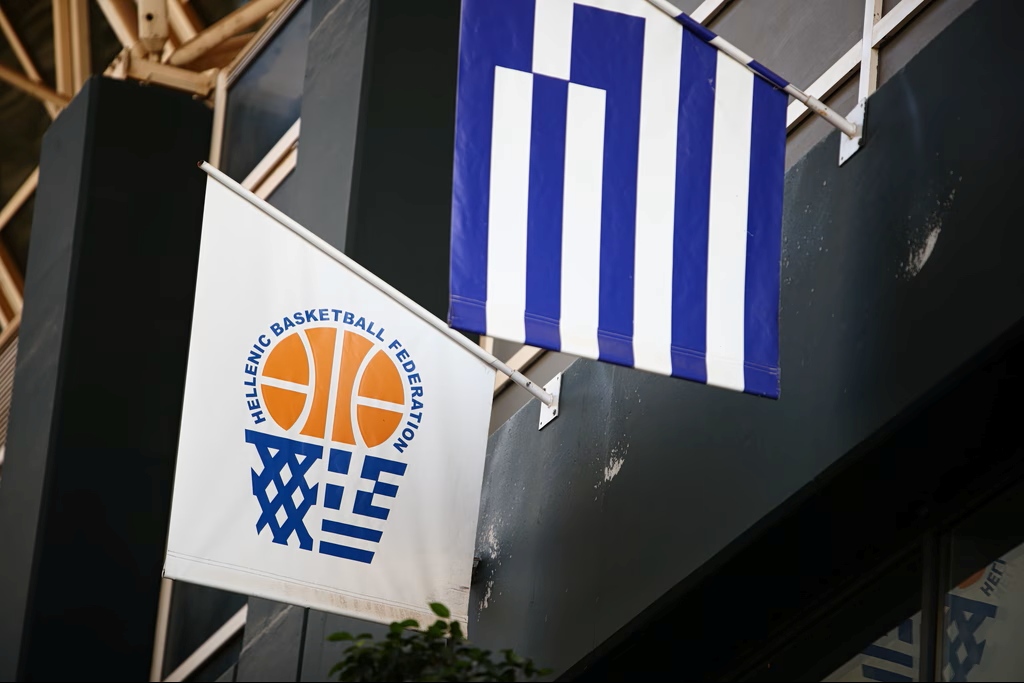
The scandal has also prompted upheaval within the Hellenic Basketball Federation, following Liolios’ resignation as president and the calling of an emergency meeting of the federation’s board to address its restructuring.
Sports Deputy Minister Ioannis Vroutsis scheduled an emergency meeting with EOK board members at his office for noon Monday. The meeting followed discussions with federation vice president and Greek Basketball League president Michalis Melis.
“The state’s task is to heal the wounds, clean up the sport and move forward,” Vroutsis said. “I cannot impose [decisions], but I can make recommendations. Our goal is to restore trust in the sport.”
Vroutsis stressed that he respects the autonomy of sports federations and said he would make formal statements on Tuesday, after Monday’s proceedings had concluded.