 Μake us preferred on Google
Senior Officials from Saudi Arabia, Turkey and Pakistan are preparing to hold high-level talks with Iranian officials in Tehran on Monday, October 26, in a diplomatic effort unfolding as the Middle East faces renewed security risks.
The meeting brings together representatives of three countries linked by a defense agreement and comes as Saudi Arabia faces continued Houthi attacks and tensions between Iran and the United States threaten to escalate further.
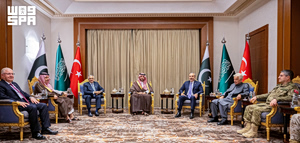
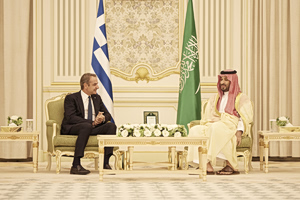
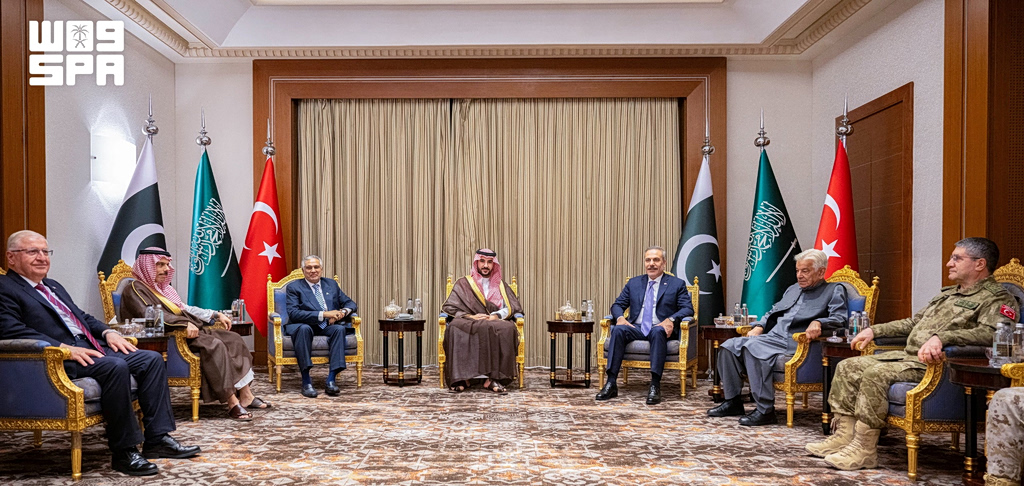
The delegations are expected to include Saudi Defense Minister Prince Khalid bin Salman, Pakistan’s army chief, Field Marshal Asim Munir, and Turkey’s intelligence chief, Ibrahim Kalin.
Their discussions are expected to cover regional security, Israel’s policies and the consequences of recent US and Israeli military action. Iranian Foreign Ministry spokesperson Esmaeil Baghaei said the agenda also includes developments in the Palestinian territories and Lebanon.
A defense pact amid growing regional risks
The talks follow the signing of the Mecca Joint Defense Agreement by Saudi Arabia and Pakistan in August, with Turkey also involved in the emerging security partnership. Under the agreement, an armed attack on one signatory is treated as an attack on all. The pact’s first article commits the countries to using “all necessary means” to address threats to one another’s territorial integrity, sovereignty or internationally recognized borders, according to a text reviewed by Reuters.
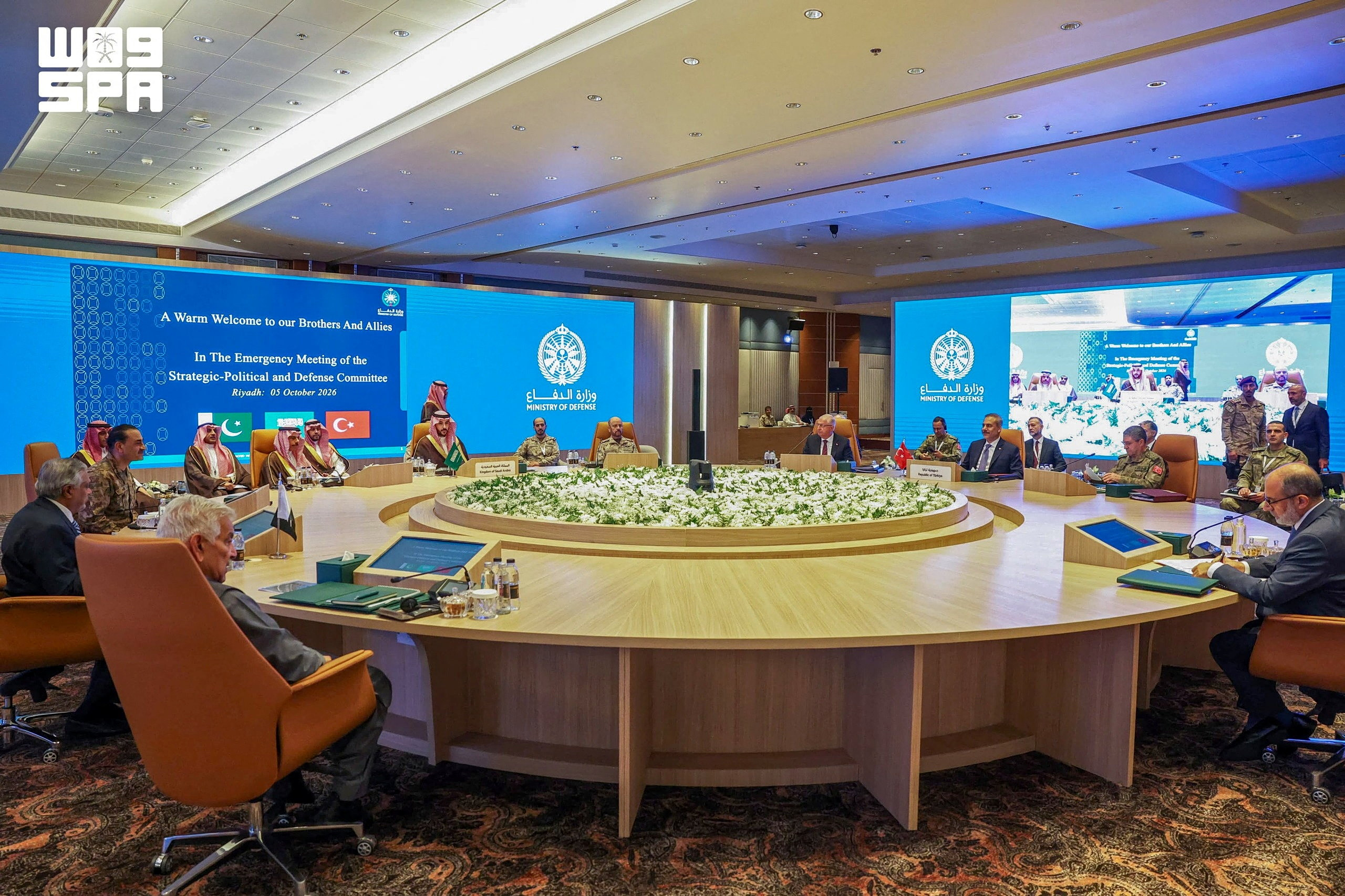
Defense officials from the participating countries met earlier this month and agreed on the rapid deployment of military forces and capabilities in Saudi Arabia, according to Reuters. Pakistan approved the pact last week, while the ratification process is underway in Turkey’s parliament.
The latest diplomatic initiative took shape during Munir’s visit to Iran last week. A senior Iranian official told Reuters that Pakistan proposed the meeting, which would provide an opportunity for the countries to coordinate their positions at a time of heightened uncertainty.
Iran, however, has indicated that it is not ready to resume negotiations with Washington. During Munir’s visit, Tehran said it would not engage in talks with the United States until its demands were met.
Ali Baqeri-Kani, deputy secretary of Iran’s Supreme National Security Council, said the Saudi, Pakistani and Turkish representatives would visit Tehran for consultations with the council on regional security.
Regional mediation faces mounting pressure
Saudi Arabia has said it supports efforts to reduce tensions and backs mediation led by Qatar and Pakistan, according to Saudi Deputy Minister for Public Diplomacy Rayed Krimly. Qatari officials also held talks with Iranian representatives on Sunday, as reported by Reuters.
HRH Prince Khalid bin Salman bin Abdulaziz Al-Saud, Minister of Defense, leads the Kingdom’s delegation to the meetings that will be held today in Tehran, capital of Iran, between Makkah Joint Defense Agreement countries and officials from the Islamic Republic of Iran, with participation of Field Marshall Asim Munir, Pakistani Chief of Army Staff and Ibrahim Kalin, Director of the Turkish National Intelligence.
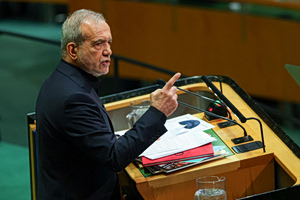
Representatives of Makkah Joint Defense Agreement countries will meet with the H.E. President of the Islamic Republic of Iran Dr. Masoud Pezeshkian, and H.E. the Secretary of the Supreme National Security Council of Iran Mohsen Rezaei.
The visit comes as part of the continued efforts by the Makkah Joint Defense Agreement countries for de-escalation between parties involved in the ongoing crisis, and promoting dialogue and diplomatic solutions, in support of the mediation efforts carried out by the State of Qatar and the Islamic Republic of Pakistan. The visit underscore the pivotal role of Makkah Joint Defense Agreement countries in reinforcing regional security and stability, and working with all countries in the region to achieve that goal.
— AMB Dr. Rayed Krimly (@Rayedkrimly) October 26, 2026
Previous diplomatic progress has proved fragile. An interim peace agreement reached in June subsequently broke down, while the conflict has continued to affect regional security and relations with Washington.
Saudi Arabia intercepted missiles and drones on Sunday as Houthi attacks continued. US President Donald Trump said Friday that Washington could launch another military operation, while Iran warned that it would respond more forcefully if attacked by the United States or Israel.
Tehran has also threatened to target undersea cables in the Gulf if the two countries launch further strikes. Separately, a US intelligence memo warned that Iranian plots targeting American personnel had reached advanced stages, Reuters reported.
The conflict is approaching its eighth month, adding to the pressure on the Trump administration ahead of the US midterm elections on November 3. The planned Tehran meeting will test whether regional diplomacy can contain the crisis while military threats and security concerns continue to grow.