tovima.com - Breaking News, Analysis and Opinion from To Vima’s International Edition

Latest News
-
What Happened to ‘the world’s greatest living explorer’?
-
Inflation in Greece Hits 5% as Energy Costs Surge
-
A Glimpse Inside Gaza Shows How Israel’s Military Footprint Is Expanding
-
EU Selects 46 New Strategic Critical Mineral Projects
-
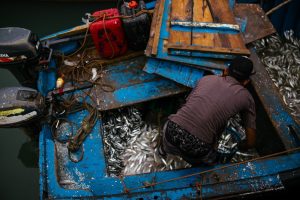
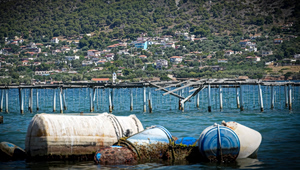
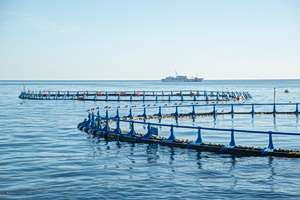
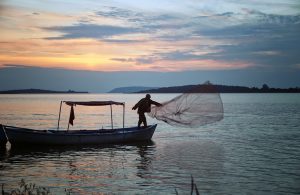
Greece’s Seafood Problem Starts Elsewhere
-
South African Jurist Navi Pillay Awarded Nobel Peace Prize
-
Anna Vissi and Nikos Karvelas Face Copyright Dispute
-
WWF: Sea Turtles Rebound in Greece as Global Wildlife Decline
-
Anne Carson’s Greece: Where Ancient Fragments Speak to the Present
-
Mazonakis Case: Authorities Freeze Doctors’ Assets
-
Serious Incident At Motor Oil Facilities In Agioi Theodoroi
-
The Spy Crisis That Threatens to Defang Germany’s Top Intelligence Agency
-
Former UK Foreign Minister and Defense Minister to TO VIMA: “Cyprus could be in the “crosshairs” of Iran or Iranian proxies”
-
Pulp’s Triumphant Return: A Band That Refuses to Fade
-
Crete: Over 200 Migrants Rescued In Four Operations
-
Death Toll Rises to Five After Building Collapses in Istanbul
-
Eurogroup: The Fight for Additional Support Measures
-
Mitsotakis Describes Greece-Turkey Tensions as Manageable
-
Mazonakis Case: Doctors’ Daughter Testifies in Court
-
EU Steps Up Scrutiny of Greece’s Sheep Pox Response
-
Sinai Monastery Faces a Make-or-Break Week
-
How the World Press Covered Rubio’s Athens Visit
-
Victorious but Isolated: The AfD Finds Few Friends on Greece’s Far Right
-
Athens Launches €11.75M Electric Bus Network in Pilot Phase
-
The Far-Left Mayor on the Front Line of France’s Student Protests

Member of


Certification Number
Μ.Η.Τ.252163
ALTER EGO MEDIA brand © 2026 TOVIMA.COM • All rights reserved.