 Μake us preferred on Google
The superstructure of Russia’s showpiece Crimea bridge was listing dangerously after a barrage of drone and missile attacks.
To help finish the job, an inexpensive Ruta cruise missile slammed into the span’s upper load-bearing structure last Monday night. Seven more Rutas and other missiles followed—and by Tuesday, the heart of the monumental link between Russia and Crimea lay on the seabed.
Behind the Ruta barrage: a Russian exile who hates Russian President Vladimir Putin and is supporting Ukraine.
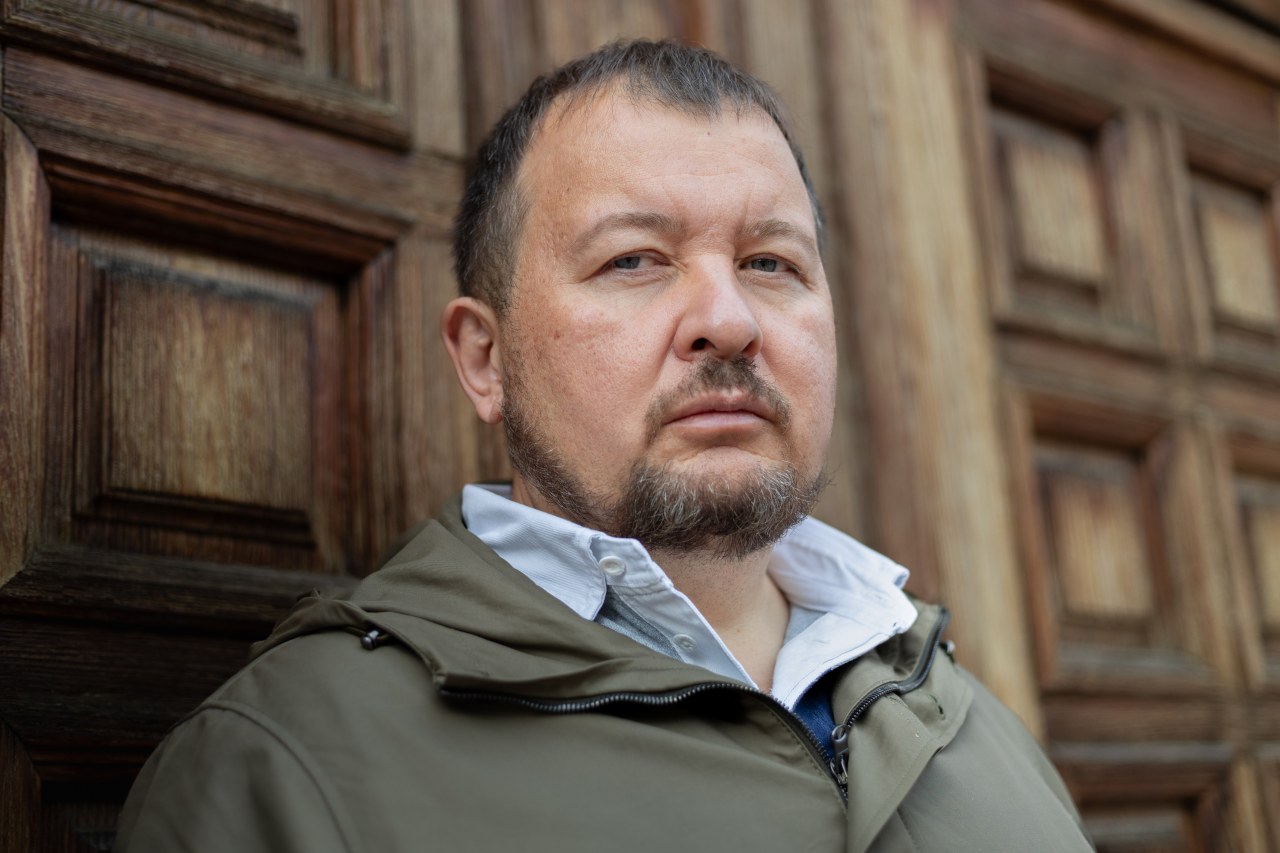
Mikhail Kokorich is the chief executive and co-founder of Destinus, a Netherlands-based company that makes the Ruta and the Da Vinci drone, also used in the attack.
Kokorich, who grew up in Siberia, left Russia in 2012 after supporting opposition to Putin. He renounced his citizenship when Moscow invaded Ukraine in 2022.
“I told Ukrainians I wanted them to win. I still do,” he said. “I’m proud that the missiles we build help Ukrainians defend their country,” he said.
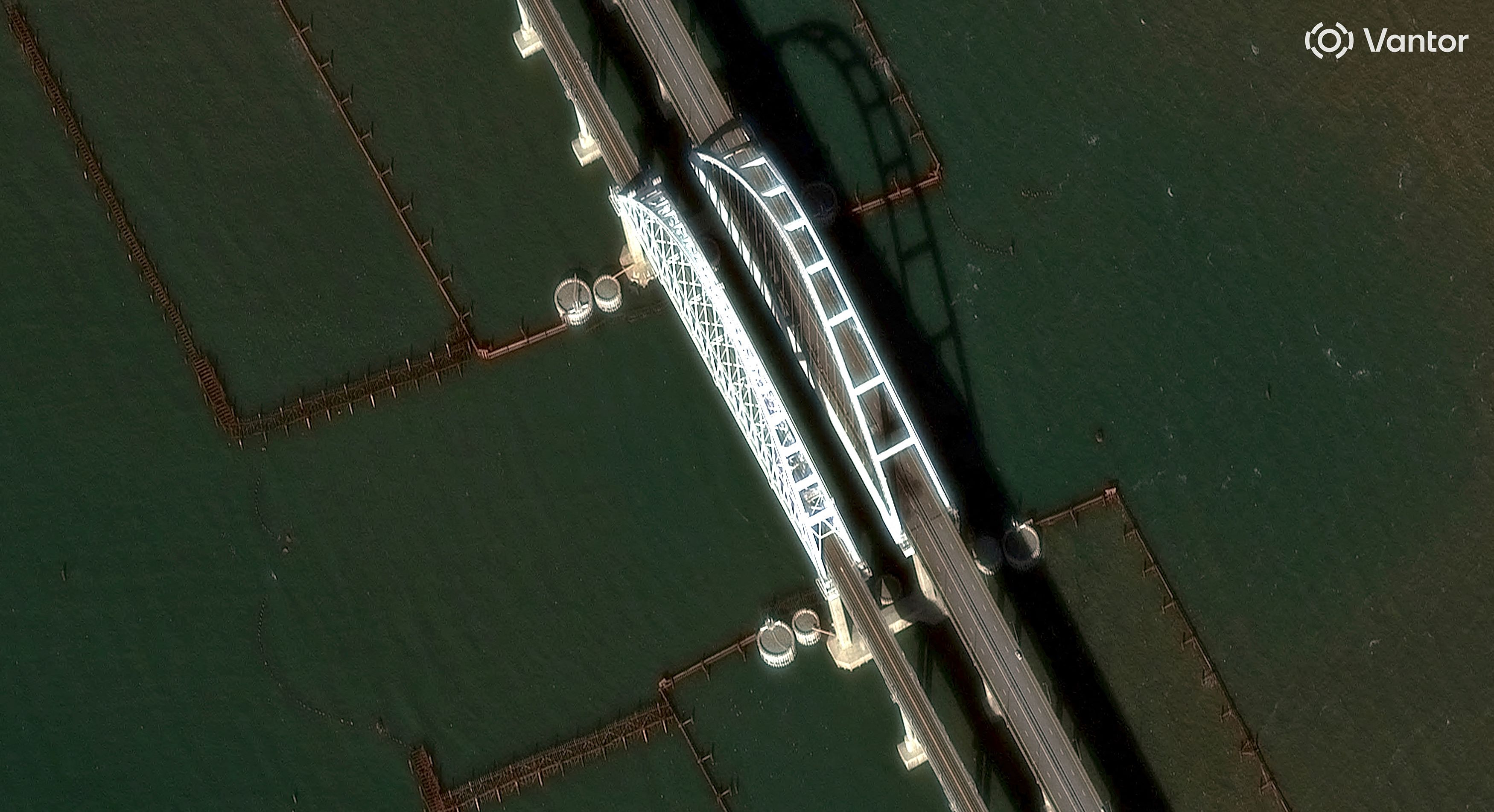
A satellite image shows a close-up view of the bridge over the Kerch Strait linking Russia and Crimea, that was hit by Ukrainian drones, Crimea, November 16, 2026. Vantor/Handout via REUTERS
The 50-year-old is in a long line of exiled Russian businessmen railing against Moscow, from Tsarist-era bankers attacking the Bolsheviks to Mikhail Khodorkovsky , an oil magnate turned Putin critic.
Kokorich, though, makes missiles.
He started Destinus in 2021 and was working on hypersonic engine technology when the war broke out. Kokorich, a physicist who studied hypersonics at university, was asked by Ukrainian friends and officials if he could help develop a drone like Iran’s long-range Shaheds.
The first Da Vinci drones were handed over the following year.
In November 2025, Russia’s financial monitoring agency added Kokorich and several other exiles to its list of “terrorists and extremists.”
On Tuesday, the Kremlin lashed out at Dutch support for Kyiv. Russian commentators and social-media users directed their criticism more specifically at Kokorich.
“I consider this decision an act of betrayal,” said Max Vektor, an analyst and commentator in an article on Voennoye Obozreniye, a pro-Kremlin military website.
“It’s about time our intelligence/special services remembered the ice ax and Trotsky,” he said, referring to the 1940 assassination in Mexico of Joseph Stalin’s rival.
Kokorich said he has lost count of the death threats he has received.
The bridge attack was a coming out moment for his company. It places Destinus, which had previously been quiet about its role supplying arms to Ukraine, at the forefront of a new class of low-cost missile producers.
Conflicts in Ukraine and Iran have shown that militaries need large volumes of cheap drones and missiles alongside higher-end weaponry. Increased defense spending and the availability of off-the-shelf commercial components have encouraged hundreds of startups to enter the market.
The first version of Ruta, known as Block 1, costs in the low hundreds of thousands of dollars, the company says. The name Ruta was inspired by a legendary Ukrainian aromatic herb said to bring good luck, as well as the Spanish word for route or path.
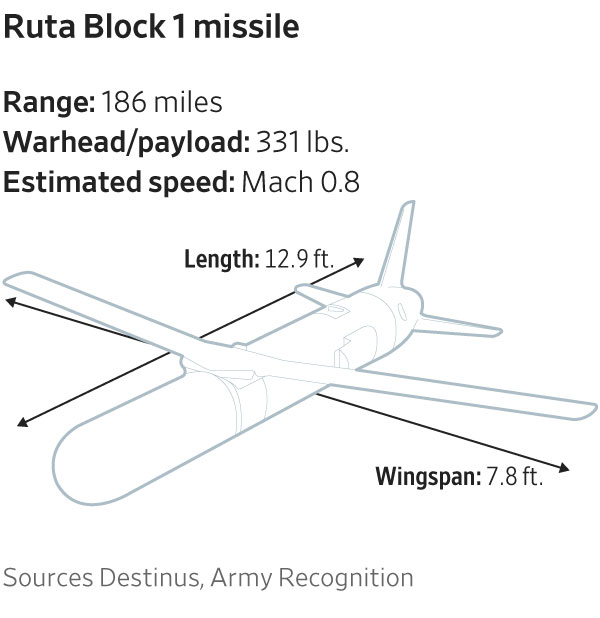
Sources Destinus, Army Recognition
By comparison, the U.S. Joint Air-to-Surface Standoff Missile costs $1.3 million, while a Tomahawk costs almost $2 million, according to the Center for Strategic and International Studies think tank. The British Storm Shadow, which Ukraine has used to deadly effect, also costs millions of dollars.
“We try to be 10 times cheaper,” said Kokorich, who made his initial fortune selling consumer electronics and other products in Russia, before moving into aerospace.
Ukraine has been using the company’s drones since early in the war and its Ruta missiles since 2024. Spain has ordered the company’s interceptor drones and the Dutch have contracted it to develop a new version.
Gijs Tuinman, who was the Netherland’s minister in charge of defense procurement from July 2024 until this February, said that the company became important to Ukraine.
“Ukraine asks (donors) for certain kinds of capabilities and this company is always on the list,” he said.
Several other startups compete with Destinus and are winning procurement contracts, including Washington, D.C.-based Covenant.
Missile makers are bringing costs down by making simpler, smaller warheads and engines, and using less sophisticated electronics.
“These low cost missiles are a compromise, you are paying less but getting less capability,” said Fabian Hoffmann, a missile expert at the Norwegian Institute for Defense Studies in Oslo.
The Ruta Block 1 has a range of around 190 miles and a 330-pound warhead. That is less than the range and payload of the more expensive Joint Air-to-Surface Standoff Missile, which can travel more than 500 miles with a 1,000-pound warhead and can penetrate buildings before exploding.
Still, Hoffmann said the Ruta is a very capable missile that has been a pioneer in using artificial intelligence to guide itself, a capability he compared with the use of preloaded maps.
By October the company was able to build close to 300 Ruta Block 1 missiles a month, up from around 200 in May. The company, which manufactures weapons in the Netherlands and Spain, makes its own engines. It has started producing Block 2, which has a longer range and heavier payload, and is developing Block 3.
That makes it the biggest producer of cruise missiles in Europe, Kokorich said.
Not everything is going Destinus’s way. German defense giant Rheinmetall said recently that negotiations with Destinus have yet to create a missile joint venture announced back in April. Kokorich said the discussions are ongoing.
Last week, the company’s activities in Ukraine also sparked controversy in the Netherlands, after media reports that Destinus personnel had ventured too close to the fighting by helping test its missiles in the country.
Kokorich said that it does test missiles there, similar to other Western arms makers, but doesn’t directly take part in combat. Its missiles are handed over to the Ukrainian military to use.
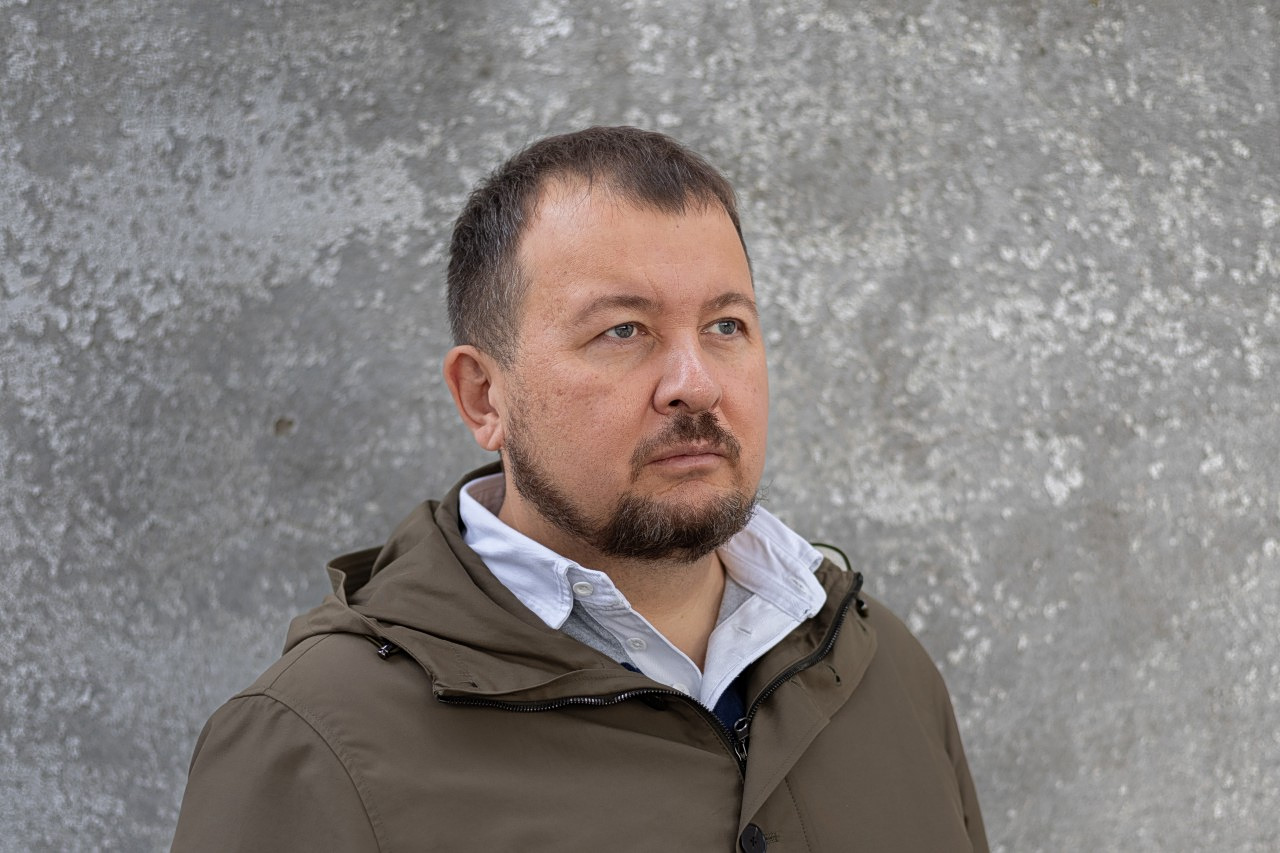
Kokorich said he has lost count of the death threats he has received. Claudia Paparelli for WSJ
Though his father’s family was Ukrainian, Kokorich still sees himself as Russian. “It’s my culture, it’s my literature, my music. Putin stole my country,” he said.
He said it is odd to be in a position where whenever he meets a fellow Russian abroad he thinks the person could kill him. Kokorich said he was always aware of the risks and has no regrets.
“Where I grew up in Siberia, we say, ‘If you’re afraid of wolves, stay out of the forest,’” he said.
Write to Alistair MacDonald at Alistair.Macdonald@wsj.com