 Μake us preferred on Google
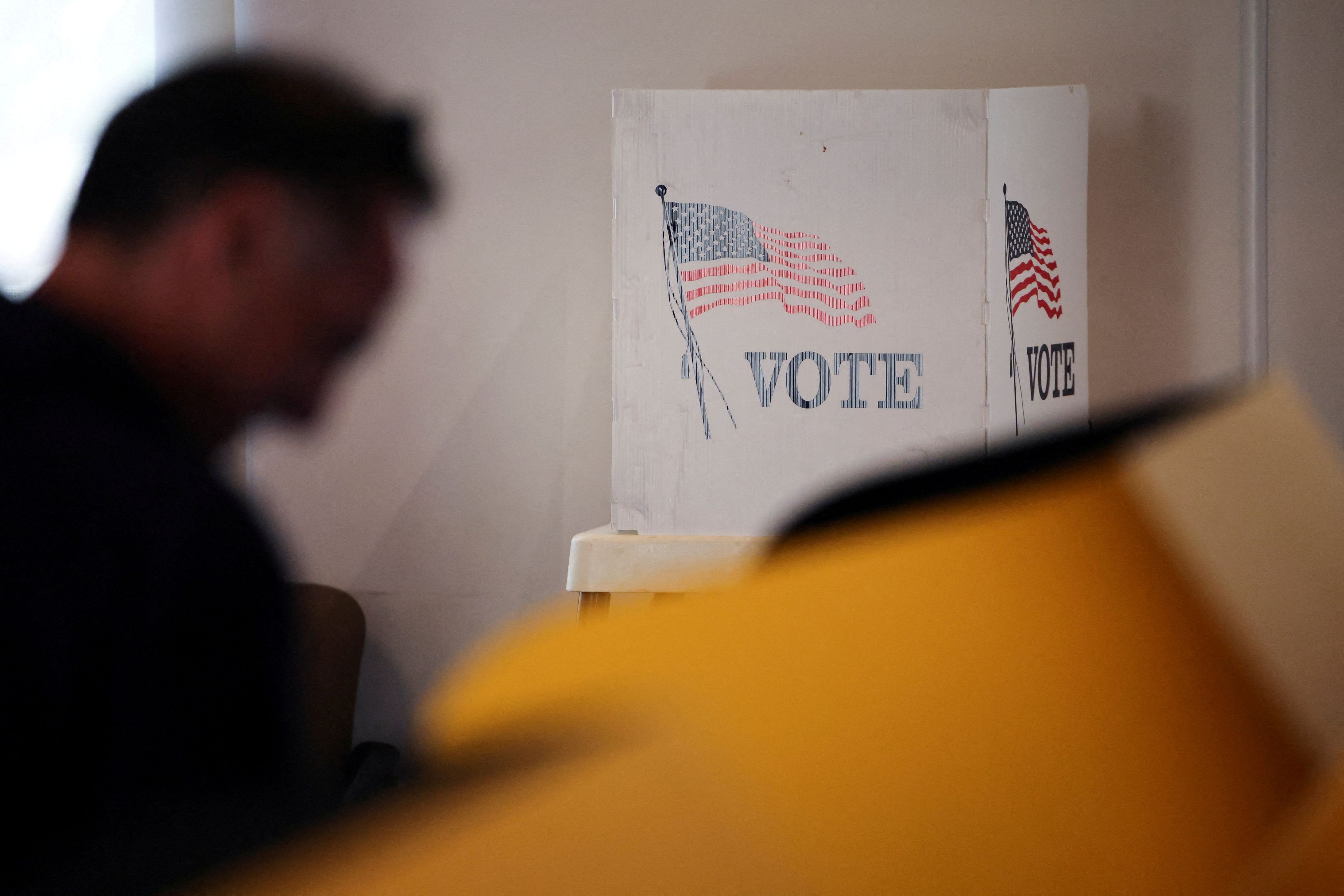
 Republican candidates have dramatically increased their ad spending, including in races not previously considered competitive, as the party confronts falling poll numbers just weeks ahead of pivotal midterm elections.
Over the past three weeks, Republicans have showered an additional $434mn on ads for Senate and House of Representatives races — an increase of 46 per cent and 36 per cent respectively — according to data from analytics firm AdImpact.
The spending surge comes as voters struggle with soaring prices driven partly by elevated petrol costs because of the Iran war, which has weighed on Donald Trump’s approval ratings and given Democrats a leg up on crucial issues ahead of the November elections.
The impact of rising fuel prices — with diesel averaging about $6.3 a gallon, more than 70 per cent higher than a year ago — is especially stark in rural areas and farming communities.
The president has called affordability a “hoax” and dismissed voters’ concerns about the rising cost of fuel. Over the past month, Republicans have become increasingly worried that he is undermining their odds of retaining their narrow majority in Congress.
“You’ve got a very unpopular president but he’s especially unpopular on the issue voters care the most about,” said Charles Franklin, professor at Marquette Law School, where he directs its polling programme.
Voters’ top concerns are “inflation and the cost of living”, said Franklin. These are issues that Trump has polled especially poorly on — worse than his overall approval rating, he added.
Some Republican Senate candidates have also distanced themselves from Trump’s tariff policies. Mike Rogers, a former Congress member running in Michigan, and Maine senator Susan Collins have both criticised his levies on Canadian goods, which their border states rely on.
As affordability issues continue to plague Republicans, their traditional strongholds have become more precarious in the run-up to the midterms.
In Kansas, where Democrats have not won a Senate race since 1932, new polling shows a statistical tie between the Republican incumbent Roger Marshall and Democratic challenger Adam Hamilton, a pastor who has portrayed himself as a centrist.
Since September 22, Republicans have bumped ad spending in the state from $5mn to $21mn to support Marshall’s attempt retain his seat. Democrats have seized their opportunity and boosted their spending on political ads in Kansas by $20mn.
In Florida, another solid red state, Republicans have injected extra funds to defend the Senate seat previously held by secretary of state Marco Rubio, spending $22.5mn on advertising as of October 14; three weeks earlier, just $7mn had been spent.
Deteriorating electoral prospects in some races have prompted the Republican Senate campaign arm to withdraw investment, including races in North Carolina — a state Trump carried by more than 3 points in 2024, but where the Democratic candidate now has a 10-point advantage — and Georgia. The Republicans have also shifted funds away from a handful of House races.
Other battleground races have had large cash infusions from both parties as the campaign reaches its final weeks.
The Texas Senate race has attracted more than $503mn in advertising in primary and general election campaigns, the most of any contest this midterm cycle. Over the past three weeks, Republican outlays on advertising in the state have surged a whopping 131 per cent to $232mn.
According to the latest polling from RealClearPolitics, Democratic candidate James Talarico holds a roughly 3-point lead over Ken Paxton, the scandal-ridden Republican attorney-general who Trump endorsed in May.
The Democratic Party has also increased the amount it has spent on advertising in newly competitive races and elections.
In Iowa, which last sent a Democrat to the US Senate in 2008, the party’s candidate — who is supported by the majority of independent voters, according to a Suffolk University in Boston poll — upped ad spending by 79 per cent in the past three weeks.
Historically, undecided independents tend to vote against the incumbent, “especially in times of economic worry”, said Scott McLean, political science professor at Quinnipiac University in Connecticut, who noted Democrats have an advantage with suburban independents.
“The question will be whether Republican undecideds will come home to the party, and whether the independents will tilt to the Republicans,” he said.
Link To FT.com: https://www.ft.com/content/481f7865-b6bb-40b8-9ee2-7554f6914007
Copyright The Financial Times Limited 2026
© 2026 The Financial Times Ltd. All rights reserved. Please do not copy and paste FT articles and redistribute by email or post to the web.