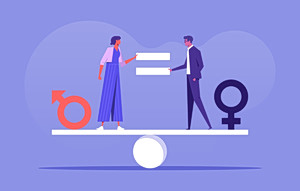

Although the principle of equal pay for equal work is already enshrined in the Greek Constitution, wage inequalities, particularly between men and women, continue to persist, Greece’s Minister of Labor and Social Security, Niki Kerameus, said while presenting the new bill.
According to the minister, the main objective is to address the gaps that still exist, especially in certain age groups and professional sectors where the largest wage differences have been identified.
Kerameus clarified that the legislation does not seek to impose uniform salaries on all workers, but instead focuses on unjustified disparities in pay. The bill also grants employees the right to appeal to the relevant authorities or the courts if they believe they are being treated unfairly.
The draft law is expected to be released for public consultation shortly before being submitted to the Greek Parliament for a vote.
NEWSLETTER TABLE TALK
Never miss a story.
Subscribe now.
The most important news & topics every week in your inbox.
During the Hiring Process
Employers:
- must disclose the salary or salary range for the position,
- must provide information about the relevant collective labor agreement, where applicable,
- are prohibited from asking candidates about their previous salaries.
The recruitment process must be:
- gender-neutral,
- free from any form of discrimination.
During Employment
Employees are entitled to equal pay for the same work or for work of equal value.
Compensation includes:
- salary,
- bonuses,
- allowances,
- overtime pay,
- benefits in kind,
- occupational pensions.
What Employees Can Request
Employees may request:
- information about their own pay level,
- information on the average salaries of men and women performing the same work or work of equal value, without revealing personal identities.
Mandatory Internal Pay Gap Audits
Businesses and organizations will face the following obligations:
- Companies with more than 250 employees → annual audits,
- Companies with 150–249 employees → audits every three years,
- Companies with 100–149 employees → audits every three years starting in 2031.
The obligation also applies to public sector bodies.
What Employees Can Do if They Believe There Is Discrimination
Employees may:
- take legal action,
- request access to salary-related data,
- be represented by the Greek Ombudsman or by a trade union organization.