 Μake us preferred on Google
 Nearly 3,300 years ago, two great powers went to war over territory in ancient Syria. On one side were the Hittites of Anatolia under King Muwatallis, and on the other were the Egyptians led by Pharaoh Ramses II, who had pushed into Hittite lands hoping to enlarge his empire. The conflict drew in tens of thousands of troops and featured some of the biggest chariot clashes in history. Neither side could gain the upper hand, and their final confrontation, the Battle of Kadesh, ended without a winner.
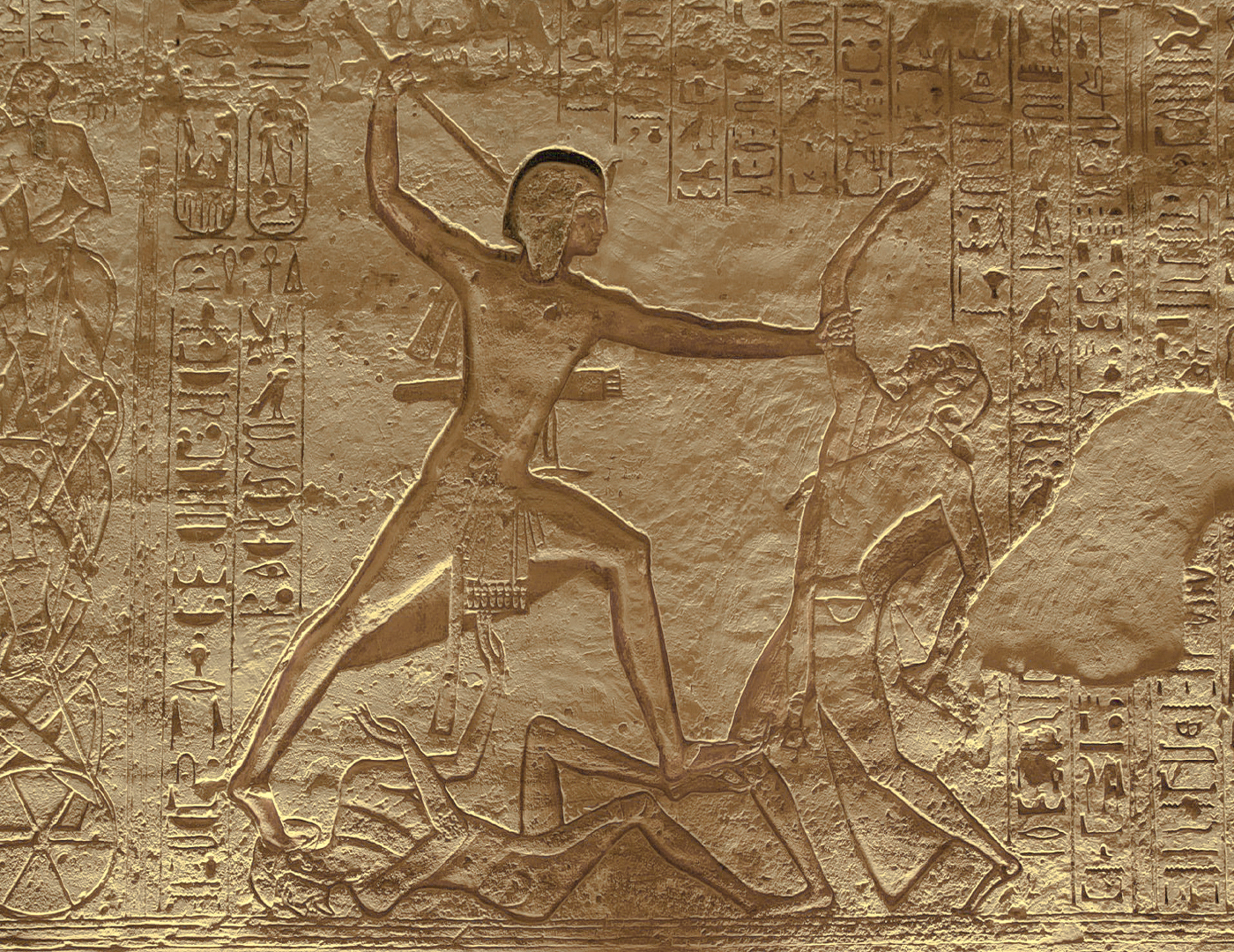
Ramses II slays an enemy while he tramples on an other in the battle of Kadesh in 1274 BC
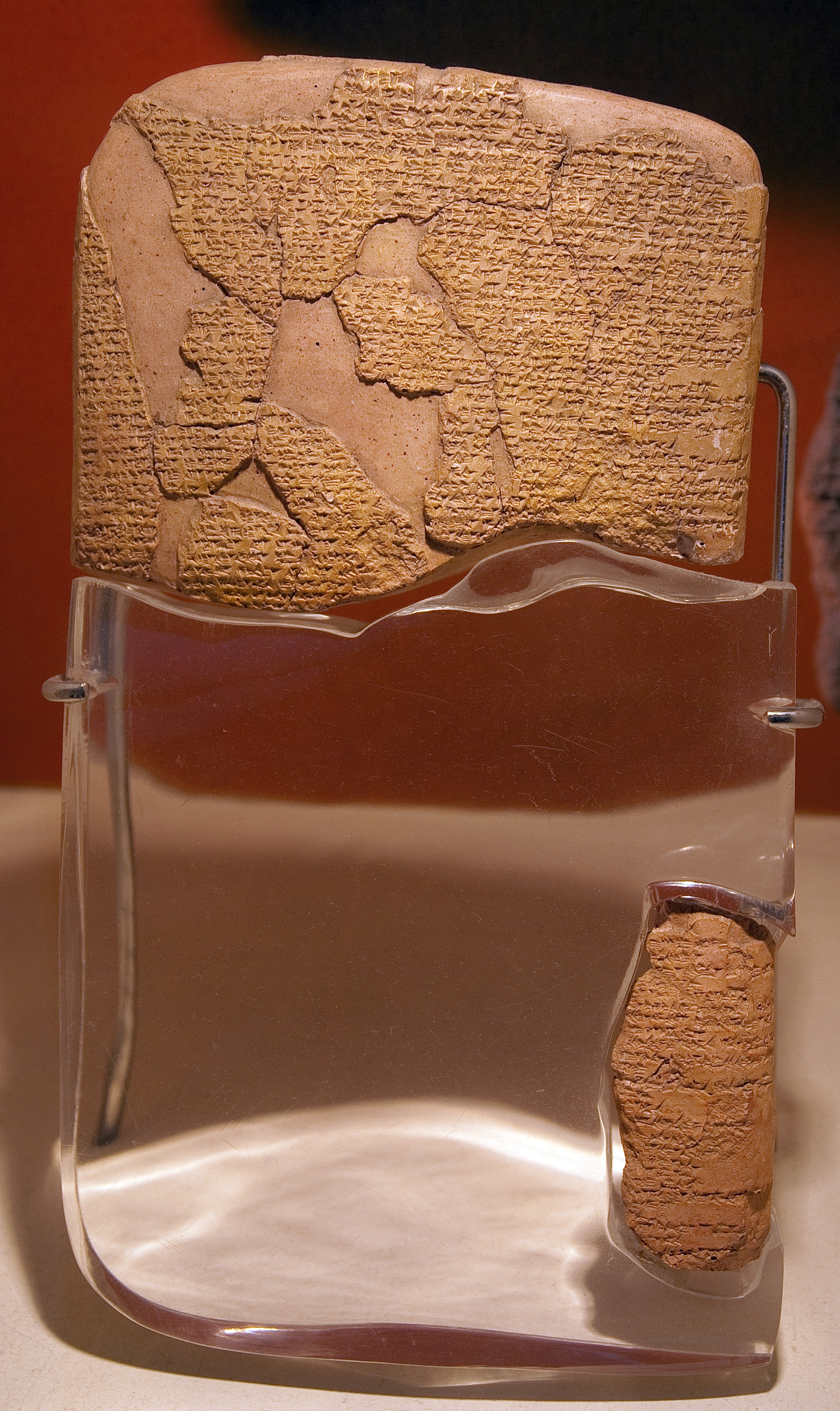
Several years later, around 1269 B.C.E., Ramses II and Hattusilli III, who had succeeded Muwatallis, formally ended the war with what is considered the first international peace treaty. According to the United Nations, the agreement pledged lasting peace and friendship, respect for each other’s borders, nonaggression, the return of fugitives and mutual assistance. The original version was inscribed on silver tablets that no longer survive, but copies were preserved in hieroglyphics on an Egyptian temple wall and on at least three clay tablets written in cuneiform in Anatolia.
Archaeologists in Turkey have now found another piece of one of those copies, a clay fragment inscribed in Akkadian cuneiform. Cuneiform, which dates back to around 3200 B.C.E., is not an alphabet. Rather than individual letters, it uses between 600 and 1,000 characters that stand for syllables or whole words.
Turkish Culture and Tourism Minister Mehmet Nuri Ersoy announced the discovery on social media, saying traces of peace thousands of years old had been found in Anatolian soil. According to the state-run Anadolu Agency, he said scientific analysis confirmed that a cuneiform tablet fragment from excavations at Büyükkale, in Hattusa in Çorum province, came from one of the copies of the Kadesh Peace Treaty.
Hattusa, located in Çorum, is the ruined former capital of the Hittite Empire, according to Turkey’s Ministry of Culture and Tourism. It was there in 1906 that researchers first found a copy of the Kadesh treaty on a broken clay tablet. Its pieces are now on display at the Istanbul Archaeological Museums, and a copper replica hangs at United Nations headquarters in New York.
Centuries of Rivalry
The treaty marked the end of a long struggle between the Hittites and Egyptians, who had competed for control of Syria, the region between their two kingdoms, under many different rulers. Egyptologist Camilla Di Biase-Dyson told ABC Radio National in 2024 that the stalemate at Kadesh was probably settled by a smaller agreement that has not survived. Sixteen years later, Hattusilli III pursued a broader alliance with Egypt, partly to strengthen his own hold on power.
In a translation provided by the Turkish ministry, the treaty describes a permanent bond between the two rulers, with Ramses II declaring that he and the Hittite king are brothers at peace forever, and that their bond is even stronger than the one that had previously existed between Egypt and the land of Hatti.
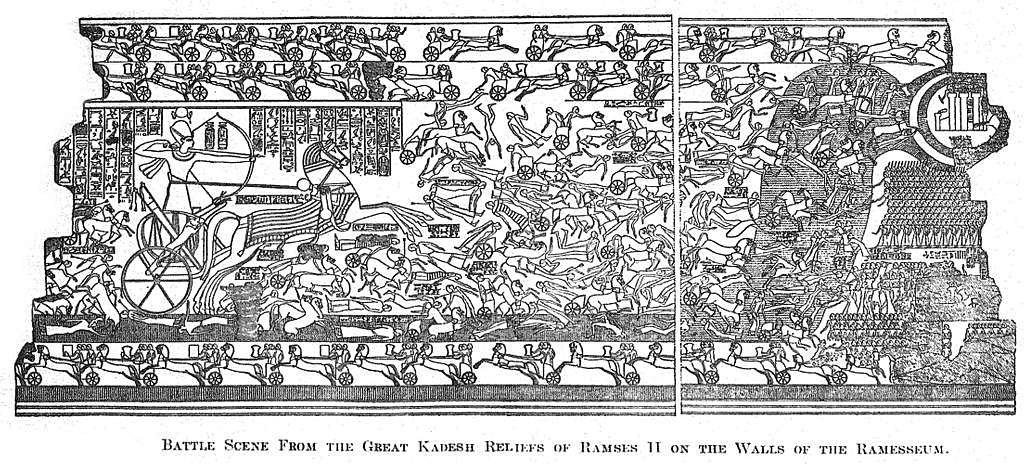
Source: Picryl
Rules for Refugees
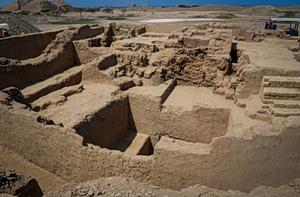
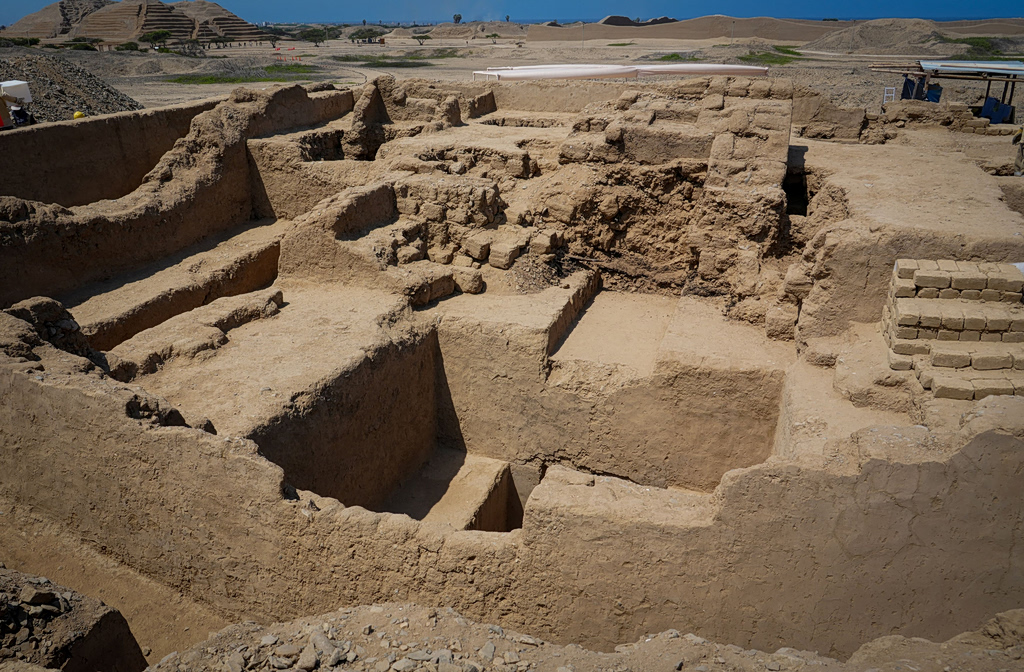
The new fragment was discovered during excavations at Büyükkale, the site of the Hittite royal palace, the ministry said. Researchers spent roughly a year studying its inscription before making the find public, and they hope further digging will turn up the remaining pieces of this copy.
According to experts, the fragment includes lines from articles 12 through 20 of the treaty. These sections set out how to handle people who fled from one kingdom and sought refuge in the other, and the fragment specifically cautions against destroying the homes of refugees.
Ersoy said the passages about the destruction of people’s homes send a strong message across thousands of years to today. He added that he hoped for a future in which everyone, especially Palestinians, can live in safety and peace.